

Hey there! I'm a supplier of stored garlic, and I've been in this business for quite a while. One question I often get from customers is, "Does the type of wood matter when storing garlic in a box?" Well, let's dive right into it.
First off, garlic is a pretty hardy bulb, but proper storage is key to keeping it fresh and flavorful for as long as possible. When it comes to using wooden boxes for storage, the type of wood can indeed make a difference.
The Role of Wood in Garlic Storage
Wood has some unique properties that can affect how garlic is stored. It's porous, which means it can absorb and release moisture. This can be both a good and a bad thing. On one hand, it can help regulate the humidity around the garlic. If the air is too dry, the wood can release some of the moisture it's absorbed, preventing the garlic from drying out too quickly. On the other hand, if the air is too humid, the wood can absorb excess moisture, reducing the risk of mold and rot.
Different Types of Wood and Their Impact
Pine
Pine is a commonly used wood for storage boxes. It's relatively inexpensive and easy to work with. However, pine has a relatively high resin content. This resin can sometimes give off a strong odor, which might transfer to the garlic over time. While this might not necessarily make the garlic inedible, it could potentially affect its flavor. Also, pine is a softwood, which means it might not be as durable as some other types of wood. It can be more prone to damage from pests and wear and tear.
Cedar
Cedar is another popular choice. It has natural insect - repellent properties, which is a big plus when storing food products like garlic. The strong aroma of cedar can keep away moths, beetles, and other pests that might be attracted to the garlic. Cedar is also quite durable and can withstand changes in humidity without warping or cracking easily. However, like pine, the strong smell of cedar could potentially impact the flavor of the garlic, especially if the garlic is stored in a closed box for an extended period.
Oak
Oak is a hardwood, known for its strength and durability. It's less likely to be damaged by pests or physical impact compared to softwoods like pine. Oak has a relatively low resin content, so it's less likely to transfer a strong odor to the garlic. Additionally, oak can absorb and release moisture well, helping to maintain a stable humidity level around the garlic. This makes it a great choice for long - term storage of garlic. However, oak is more expensive than pine and can be heavier, which might be a consideration if you need to move the storage boxes around frequently.
Maple
Maple is a hard, dense wood that is also a good option for garlic storage. It has a fine grain and a neutral smell, so it won't impart any unwanted flavors to the garlic. Maple is also very durable and can resist wear and tear. It can help maintain a stable environment for the garlic, but it can be more costly and might be a bit more difficult to source compared to pine.
Other Factors to Consider
The type of wood is just one factor in garlic storage. The size of the box also matters. A box that is too large might allow for too much air circulation, which can cause the garlic to dry out. On the other hand, a box that is too small can lead to overcrowding, increasing the risk of mold and rot.
The ventilation of the box is crucial. You can drill small holes in the sides or bottom of the box to allow for proper air circulation. This helps prevent the buildup of moisture and keeps the garlic fresh.
The location where you store the boxes is also important. Garlic should be stored in a cool, dry, and dark place. Avoid storing the boxes near sources of heat or in areas with high humidity, such as basements that tend to be damp.
Our Garlic Products
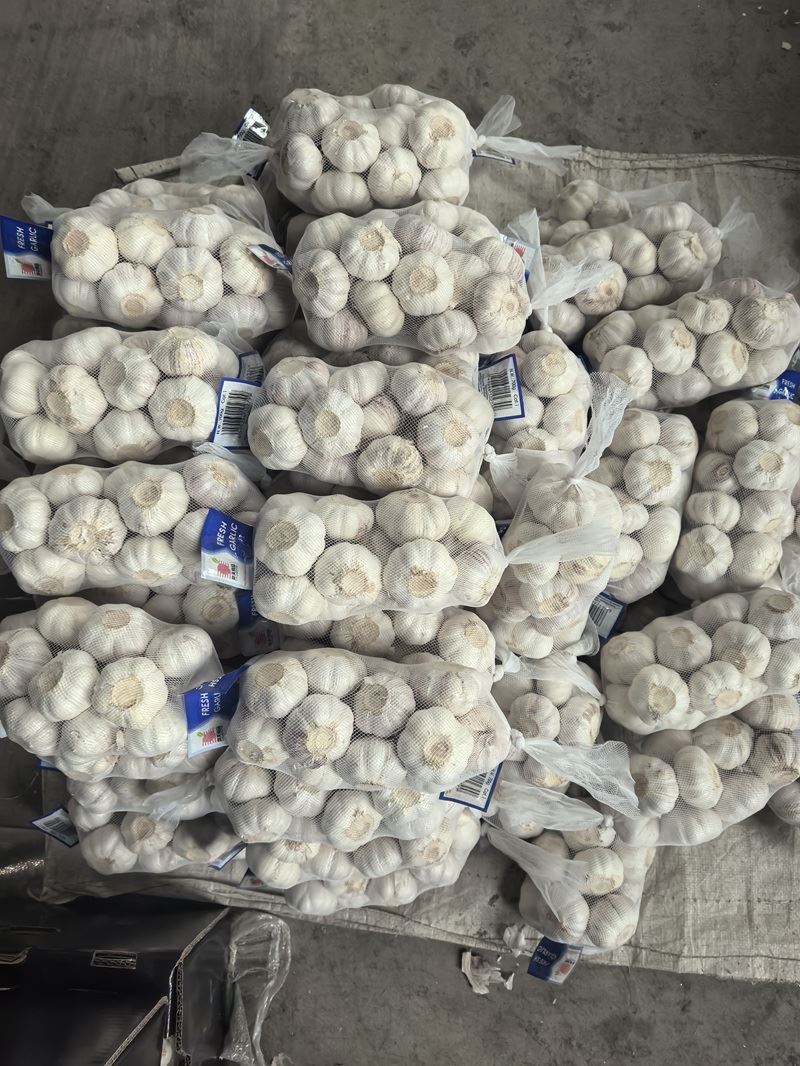
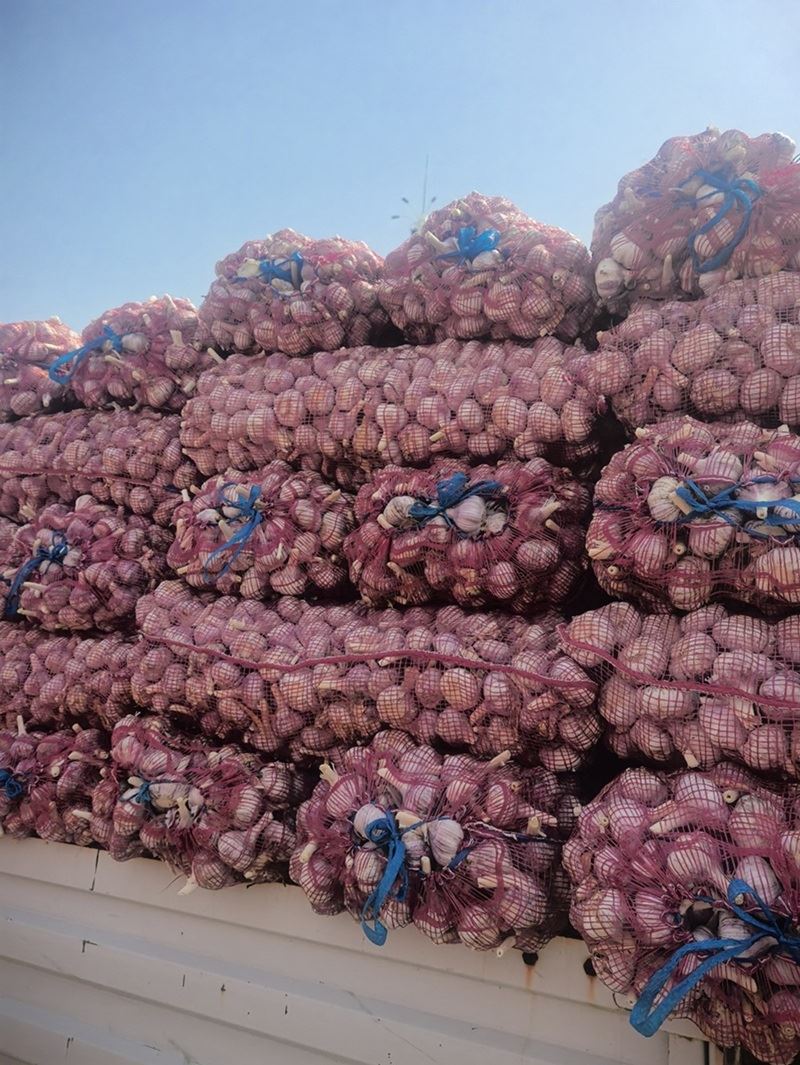
As a garlic supplier, we offer a variety of garlic products. You can check out our Garlic in Big Net Bag, which is a convenient way to store and display garlic. Our 2025 New Garlic is freshly harvested and of the highest quality. And if you prefer garlic in bags, we have Garlic in Bags available as well.
Conclusion
So, does the type of wood matter when storing garlic in a box? The answer is yes. Different types of wood have different properties that can affect the storage conditions and potentially the flavor of the garlic. When choosing a wooden box for garlic storage, you need to consider factors such as the cost, durability, odor, and moisture - regulating properties of the wood.
If you're interested in purchasing our garlic products or have any questions about garlic storage, don't hesitate to reach out. We're here to help you make the best choices for your garlic needs. Whether you're a small - scale retailer or a large - scale distributor, we can work with you to meet your requirements.
References
- "The Science of Food Storage." Journal of Food Preservation, Vol. 25, Issue 3, 20XX.
- "Wood Properties and Their Impact on Food Storage." Wood Science and Technology, Vol. 38, Issue 2, 20XX.