

Frozen Garlic
What is Frozen Garlic
The main purpose of frozen garlic is to slow down its decay rate, thus extending its shelf life. Putting garlic in the refrigerator for freezing can reduce the breeding of bacteria and microorganisms, which helps to extend its storage time. Generally, there will be no deterioration and will not affect the taste of garlic. Japanese experts also recommend freezing garlic, believing that this method can not only prolong the storage time, but also prevent spoilage without losing its original taste, and it is easy to cook after taking it out.
Advantages of Frozen Garlic
Time-saving
Say goodbye to the hours spent peeling and chopping garlic with frozen garlic, you can have fresh garlic flavor in seconds. Simply pop out a cube and add it to your dish for instant garlic goodness without the fuss.
Long Shelf Life
Unlike fresh garlic, which can spoil quickly, frozen garlic has a long shelf life of up to two years when stored properly in the freezer. This means you can always have fresh garlic on hand, ready to elevate your dishes whenever inspiration strikes.
Consistent Flavor
With frozen garlic, you'll never have to worry about the variability of fresh garlic. Each cube contains a precise amount of garlic, ensuring consistent flavor in every dish. Say goodbye to bland or overpowering garlic, you'll get just the right amount of flavor every time.
Easy To Use
Frozen garlic is incredibly easy to use simply pop out a cube and add it to your dish as needed. No need to thaw or mince garlic; our convenient cubes are ready to go straight from the freezer to your pan, saving you time and effort in the kitchen.
-
![5p Garlic]()
-
![Freezing Peeled Garlic]() Freezing Peeled GarlicFreezing peeled garlic is a very convenient technique that can help you save time and energy while cooking.read more
Freezing Peeled GarlicFreezing peeled garlic is a very convenient technique that can help you save time and energy while cooking.read more -
![Frozen Peeled Garlic]() Frozen Peeled GarlicFrozen peeled garlic is a delightful dish. Especially in the scorching summer, cool frozen garlic is not only delicious and delicious, but also can relieve heat and greasiness, making people feel...read more
Frozen Peeled GarlicFrozen peeled garlic is a delightful dish. Especially in the scorching summer, cool frozen garlic is not only delicious and delicious, but also can relieve heat and greasiness, making people feel...read more -
![Garlic In Cold Storage]() Garlic In Cold StorageWe have a warehouse that can refrigerate and store 10,000 tons of agricultural products, which can provide customers with more high-quality choices and provide customers with better services.read more
Garlic In Cold StorageWe have a warehouse that can refrigerate and store 10,000 tons of agricultural products, which can provide customers with more high-quality choices and provide customers with better services.read more -
![1000g Garlic]() 1000g GarlicGarlic is our core product. Garlic has many benefits and a large number of marketread more
1000g GarlicGarlic is our core product. Garlic has many benefits and a large number of marketread more -
![Samll Net Garlic]()
-
![Large Package Of Garlic]() Large Package Of GarlicGarlic products can be divided into roughing and fine processing to meet your needs.read more
Large Package Of GarlicGarlic products can be divided into roughing and fine processing to meet your needs.read more -
![Chopped Frozen Garlic]() Chopped Frozen GarlicGarlic is a common and healthy ingredient with many medicinal and edible values. In the cooking process, we often use garlic to add fragrance and flavor to dishes.read more
Chopped Frozen GarlicGarlic is a common and healthy ingredient with many medicinal and edible values. In the cooking process, we often use garlic to add fragrance and flavor to dishes.read more -
![Pallet Transporting White Garlic]() Pallet Transporting White GarlicThis is a very convenient mode of transportation.When unloading, you only need to pick out the tray to complete the unloading.read more
Pallet Transporting White GarlicThis is a very convenient mode of transportation.When unloading, you only need to pick out the tray to complete the unloading.read more -
![5p Garlic]()


Why Choose Us
Our factory
And we have processing workshop 6000㎡, 13 cold storage with capacity of over 10,000 tons. The annual sale volume of our factory is up to 30,000 tons.So we are able to provide our customers top quality garlics, competitive price, fast delivery and best service.
Production equipment
And we have processing workshop 6000㎡,13 cold storage with capacity of over 10,000 tons.
Rich experience
We have rich experience in growing, harvesting, selecting, processing, packing, refrigerating, transporting, and exporting.
Quality assurance
We are able to provide our customers top quality garlics, competitive price, fast delivery and best service.
How to Freeze Garlic
The beauty of freezing garlic is that there are many ways to do it and still retain the savory garlic flavor after thawing. Consider some easy options for freezing garlic at home.
Freeze Whole Garlic Bulbs. This simple method involves placing whole heads of garlic into a freezer bag, sealing it tightly, and placing it in the freezer. Only select garlic bulbs that are firm, dry, and free from any signs of rot or wasting.
Freeze Peeled Cloves. To cut down on future prep time, you can peel garlic cloves before you freeze them. Peel room-temperature cloves individually and then pile them onto a sheet of plastic wrap or aluminum foil. Wrap the whole cloves tightly to prevent freezer burn, and then place the plastic-wrapped or aluminum-wrapped cloves into a freezer bag for extra protection. Seal the bag, removing as much air as possible, and place it in the freezer.
Freeze Chopped Garlic Or Minced Garlic. You can freeze minced garlic or chopped garlic using the same materials you would use for peeled cloves. The only difference is to finely chop the garlic, or crush it in a garlic press, before freezing.
Freeze Garlic Cubes Made From Garlic Paste. You can make garlic paste in a food processor by blending one tablespoon of olive oil for every whole head of garlic. Once you have your garlic paste, dollop it into ice cube trays (silicone trays work best), and then tuck the ice cube trays into the freezer for two to three hours. Pull out the flash-frozen garlic cubes, transfer them to a freezer-safe bag, and seal them in for safekeeping. You can also create garlic paste balls by placing dollops of garlic paste on a parchment-lined baking sheet in the freezer for two to three hours before transferring the dollops to a freezer bag for long-term storage.
Freeze Roasted Garlic. You can roast garlic and then freeze it to preserve its savory flavor. Roast garlic in the oven, then mash it to help the roasted garlic flesh escape the papery skin. Transfer this mashed roasted garlic to a parchment-lined baking sheet, which you should submerge in the freezer for two to three hours. Pull it out and transfer the frozen roasted garlic to freezer-safe bags for long-term storage.
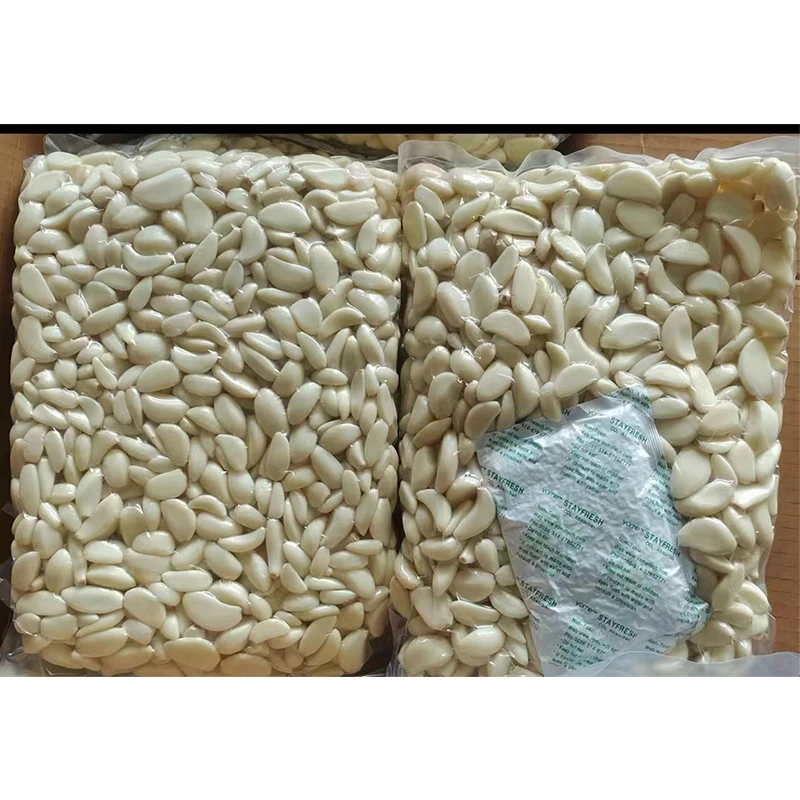
If you are wondering if frozen garlic are a worthy timesaver, the short answer is yes — these icy cubes are the culinary silver bullet you've been looking for. Frozen garlic is a standard aromatic that seems to pop up in more recipes than we can count. Having individual cloves peeled, chopped, minced, frozen, and ready to use can ease the stress of this otherwise time-consuming task when you are short on time. It also has the side benefit of reducing food waste and saving money.
This convenient ingredient is typically made by crushing, chopping, or pureeing garlic and then freezing it into pre-measured portions. When you need a clove or two for your garlic butter or garlic chicken lo mein, simply push out the appropriate amount of these garlic cubes into your cooking vessel of choice, and you are in business. The value of having this ingredient ready to use is pretty high, especially if you want to keep your hands from reeking of its pungent smell.
When it comes to how you use frozen garlic, there are no set rules. You can pop a few into a hot pan and watch them melt in real time for a sauté or let them thaw on the countertop for 10 to 15 minutes before using them. But if you wonder how these frozen cubes measure up against fresh garlic and the chopped pieces in a jar, you might be pleasantly surprised. Frozen garlic can work just as well as fresh.
The one drawback of frozen garlic is that its texture can be compromised. It generally doesn't have the same crunch as the fresh version, but don't worry about the flavor that savory, spicy bite will remain intact and impart those same qualities on whatever you are cooking. Frozen garlic also sets itself apart from those jars of minced and crushed garlic that usually taste similar to metallic or some sort of chemical that can be off-putting.
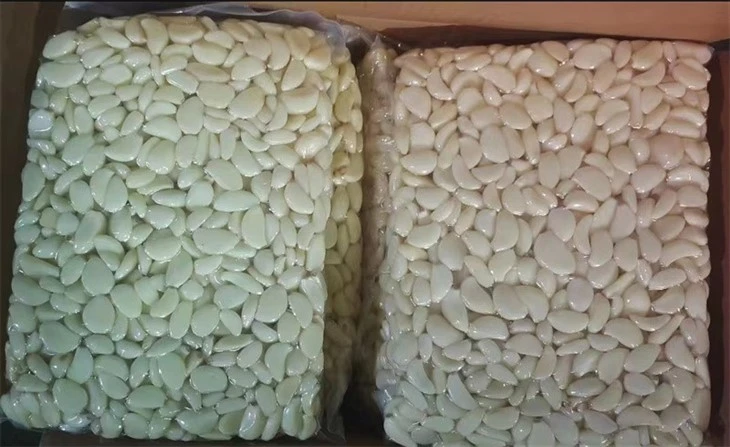
Uses of Frozen Garlic
Marinades and Dressings
Give your marinades and dressings a flavor boost with frozen garlic. Simply mix a cube or two into your favorite marinade or dressing recipe for a burst of garlicky goodness. Whether you're grilling meats or tossing salads, frozen garlic adds depth and complexity to your dishes.
Sauteed and Stir-Fried Dishes
For quick and flavorful sauteed and stir-fried dishes, reach for frozen garlic. Its convenient cube format makes it easy to add the perfect amount of garlic to your pan, ensuring even distribution and maximum flavor. Whether you're cooking up a stir-fry or sauteing vegetables, frozen garlic takes the hassle out of garlic prep.
Soups and Stews
Elevate your soups and stews with the rich, savory flavor of frozen garlic. Simply drop a cube or two into your simmering pot and let the garlic melt into the broth, infusing it with deliciousness. Whether you're making a hearty vegetable soup or a comforting beef stew, frozen garlic adds depth and complexity to your dishes.
Pasta Sauces and Casseroles
Take your pasta sauces and casseroles to the next level with frozen garlic. Add a cube or two to your saucepan or casserole dish and let the garlic melt into the mixture, enhancing the flavor of every bite. Whether you're making a classic marinara sauce or a cheesy baked casserole, frozen garlic adds a delicious twist to your favorite recipes.
Roasted Meats and Vegetables
Impress your guests with perfectly seasoned roasted meats and vegetables, thanks to frozen garlic. Simply rub a cube or two onto your meat or toss it with your vegetables before roasting for a burst of flavor. Whether you're roasting a chicken or baking a tray of veggies, frozen garlic adds depth and complexity to your dishes.
A short-term blanching treatment (100℃ for 45 s, 90℃ for 45 s, and 80℃ for 60 s) before freezing did not affect the total organosulfur compound content. In a preliminary research, blanching conditions were determined to be 100℃for 45 to 80 s. Under these conditions, peroxidase was inactivated, but organosulfur compounds were retained. Mechanical and color tests showed a damaging effect of blanching and freezing on frozen garlic blanched for 60 and 80 s at 100℃. Compared to frozen fresh garlic, frozen garlic treated by blanching for 45 s at 100℃retained 2871.49 ± 200.24 µg/g of allicin, although 81.83% of peroxidase was inactivated; browning and hardness improved by 49.97 and 48.01%, respectively. According to scanning electron microscopy, significant damage to the microstructure was observed in both frozen fresh garlic and frozen garlic after 60 s and 80 s of blanching at 100℃. Moreover, 1H low-field nuclear magnetic resonance (LF-NMR) indicated that blanching for 60 s and 80 s induced an increase in free water in garlic tissues, resulting in further damage after freezing. As peroxidase was efficiently inactivated, the microstructure and organosulfur compounds were better preserved, and blanching treatment at 100℃ for 45 s before freezing is a potential method for obtaining frozen garlic with high sensory and nutritional qualities.
Practical Application
Freezing helps to overcome challenges associated with growing seasons and the deterioration of garlic during storage. After frozen garlic is thawed, it is prone to some undesirable changes, such as enzymatic browning and softening. Minimal blanching (45 s at 100℃) pretreatment can help to maintain the bioactive compounds of garlic and prevent texture and color deterioration caused by freezing directly.
Freezing Garlic to Preserve It for a Longer Time
Chop garlic, wrap it tightly in a plastic freezer bag or in plastic wrap, and freeze. To use, grate or break off the amount needed.
Place garlic bulbs or cloves (peeled or unpeeled) in a freezer bag or container and freeze; remove cloves as needed.
Peel the cloves, purée them with oil in a blender or food processor using 2 parts oil to 1 part garlic, and pack the mixture into an airtight container. (The puree will stay soft enough in the freezer to scrape out portions to use in sautéing.)
Freeze this mixture immediately—do not hold or store it at room temperature. The combination of the low-acid garlic, the exclusion of air (by mixing with oil), and room-temperature storage can support the growth of Clostridium botulinum - see the warning below:
Botulism Warning
Garlic is a low acid vegetable. The PH or a garlic clove usually ranges between 5.3 to 6.3.
As with all low acid vegetables, garlic will support the growth and subsequent toxin production of the bacterium Clostridium botulinum under the right conditions. These conditions include home canning and improper preparation and storage or fresh garlic-in-oil mixtures. Moisture, room temperature, lack of oxigen, and the low acid nature of garlic all favor the growth of Clostridium botulinum. When this bacterium grows, it produces a very potent toxin, that causes the illness botulism. It is important to follow the directions for storingarlic carefully to make sure your preserved garlic is safe to eat.
FAQ
As one of the leading frozen garlic suppliers in China, we warmly welcome you to wholesale bulk frozen garlic made in China here from our factory. All our products are with high quality and competitive price.
frozen garlic from china, pallet transporting white garlic, frozen garlic sale