

Garlic
What is Garlic
Garlic is a perennial flowering plant that grows from a bulb. It has a tall, erect flowering stem that grows up to 1 m (3 ft). The leaf blade is flat, linear, solid, and approximately 1.25–2.5 cm (0.5–1.0 in) wide, with an acute apex. The bulb has a strong odor and is typically made up of 10 to 20 cloves. The cloves close to the center are symmetrical, and those surrounding the center can be asymmetrical. Each clove is enclosed in an inner sheathing leaf surrounded by layers of outer sheathing leaves.
Advantages of Garlic
Contains Compounds With Medicinal Properties
Much of garlic's therapeutic acclaim is down to an active compound called allicin. This sulphur-containing compound gives garlic its pungent smell and distinctive taste. Luckily for us cooks, the action of chopping or crushing stimulates the production of allicin. But it is thought that the application of heat may inhibit some of the perceived medicinal properties, making it best to add garlic late in the cooking process.
May Reduce The Risk Of Heart Attacks
Much research has focused on garlic's potential in reducing the risk of heart disease and helping to manage cholesterol levels. Several studies suggest that garlic makes platelets (the cells involved in blood clotting) less likely to clump together and accumulate on artery walls; this means garlic acts like an anticoagulant and by so doing reduces the risk of heart attacks.
May Help Manage Blood Pressure
Garlic may also lower blood pressure through its ability to widen blood vessels, allowing blood to flow more freely.
Has Antimicrobial And Antifungal Properties
Garlic has a long history of use as an infection fighter against viruses, bacteria and fungi. It has been referred to as ‘russian penicillin' to denote its antibacterial properties, once again attributed to the compound allicin. Some skin conditions, such as warts and insect bites, may also respond to garlic oil or a crushed raw garlic clove.
-
![2026 New Fresh Garlic]() 2026 New Fresh Garlic2026 Fresh Chinese Garlic: New Harvest, Premium Quality & Wholesale Supplyread more
2026 New Fresh Garlic2026 Fresh Chinese Garlic: New Harvest, Premium Quality & Wholesale Supplyread more -
![2026 Newly Premium Garlic]() 2026 Newly Premium GarlicNew Season Chinese Garlic: Fresh, High-Quality & Wholesale Supplyread more
2026 Newly Premium GarlicNew Season Chinese Garlic: Fresh, High-Quality & Wholesale Supplyread more -
![Fine Garlic in Carton]() Fine Garlic in CartonHigh-quality boxed garlic is one of our company's excellent products. Whether it is white garlic or purple garlic, it can be packaged in this way, so it is deeply loved by the majority of...read more
Fine Garlic in CartonHigh-quality boxed garlic is one of our company's excellent products. Whether it is white garlic or purple garlic, it can be packaged in this way, so it is deeply loved by the majority of...read more -
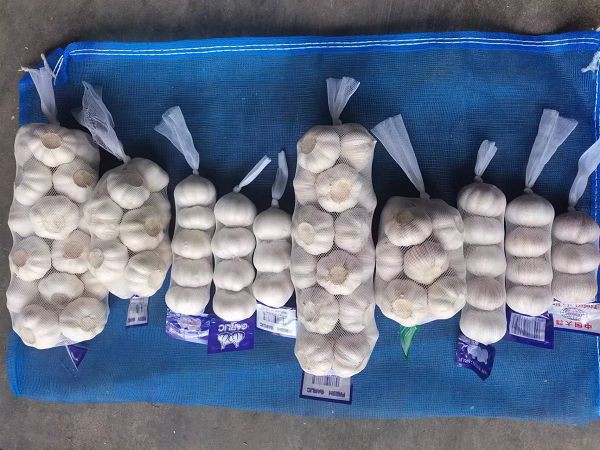
![Net Pocket Garlic]() Net Pocket GarlicNet pocket garlic is one of the typical products of our company, which is deeply loved by customers. It is also the simplest and most convenient packaging method. It is divided into various...read more
Net Pocket GarlicNet pocket garlic is one of the typical products of our company, which is deeply loved by customers. It is also the simplest and most convenient packaging method. It is divided into various...read more -
![Fine Processed Garlic]() Fine Processed GarlicChina is known for producing some of the best garlic in the world. It is no surprise that the country is the world's largest producer and exporter of this vegetable. The cultivation of garlic...read more
Fine Processed GarlicChina is known for producing some of the best garlic in the world. It is no surprise that the country is the world's largest producer and exporter of this vegetable. The cultivation of garlic...read more -
![Fresh Garlic in The Box]() Fresh Garlic in The BoxGarlic, scientifically known as Allium sativum, is a bulbous plant native to central Asia and northeastern Iran. It has been a staple in culinary practices and traditional medicine for thousands...read more
Fresh Garlic in The BoxGarlic, scientifically known as Allium sativum, is a bulbous plant native to central Asia and northeastern Iran. It has been a staple in culinary practices and traditional medicine for thousands...read more -
![White Garlic]() White GarlicWhite garlic is the most traditional of the fresh garlic varieties. It has an excellent smooth taste and a lingering aroma that makes it perfect as a flavour enhancer in any recipe.White garlic is...read more
White GarlicWhite garlic is the most traditional of the fresh garlic varieties. It has an excellent smooth taste and a lingering aroma that makes it perfect as a flavour enhancer in any recipe.White garlic is...read more -
![Purple-skinned Garlic]() Purple-skinned GarlicPurple-skinned garlic and white garlic have differences in appearance, taste, use and nutritional value. The garlic cloves of purple garlic are usually more fatty, with relatively little juice,...read more
Purple-skinned GarlicPurple-skinned garlic and white garlic have differences in appearance, taste, use and nutritional value. The garlic cloves of purple garlic are usually more fatty, with relatively little juice,...read more -
![Nice Bulk Garlic]() Nice Bulk GarlicWelcome to the world of culinary excellence, where the star of the show is none other than the exquisite white garlic. Nestled within the confines of a humble cardboard box, these cloves of garlic...read more
Nice Bulk GarlicWelcome to the world of culinary excellence, where the star of the show is none other than the exquisite white garlic. Nestled within the confines of a humble cardboard box, these cloves of garlic...read more -
![Purple Garlic]() Purple GarlicPurple garlic has a purple hue to its papery skin, though the inner cloves are the same color as white garlic cloves. It comes from a variety called hardneck garlic: There's a woody stalk that...read more
Purple GarlicPurple garlic has a purple hue to its papery skin, though the inner cloves are the same color as white garlic cloves. It comes from a variety called hardneck garlic: There's a woody stalk that...read more -
![Mesh Garlic]() Mesh GarlicGarlic from Jinxiang, China's Garlic Capital, we're dedicated to providing premium garlic to partners worldwide. First, our garlic benefits from exceptional geographical conditions. Jinxiang...read more
Mesh GarlicGarlic from Jinxiang, China's Garlic Capital, we're dedicated to providing premium garlic to partners worldwide. First, our garlic benefits from exceptional geographical conditions. Jinxiang...read more -
![6.0cm Garlic]() 6.0cm GarlicGarlic is one of the important edible and medicinal plants in China. It has high nutritional value and is rich in a large amount of sulfides, vitamins, and minerals. Meanwhile, garlic also has...read more
6.0cm GarlicGarlic is one of the important edible and medicinal plants in China. It has high nutritional value and is rich in a large amount of sulfides, vitamins, and minerals. Meanwhile, garlic also has...read more


Why Choose Us
Our factory
And we have processing workshop 6000㎡, 13 cold storage with capacity of over 10,000 tons. The annual sale volume of our factory is up to 30,000 tons.So we are able to provide our customers top quality garlics, competitive price, fast delivery and best service.
Production equipment
And we have processing workshop 6000㎡,13 cold storage with capacity of over 10,000 tons.
Rich experience
We have rich experience in growing, harvesting, selecting, processing, packing, refrigerating, transporting, and exporting.
Quality assurance
We are able to provide our customers top quality garlics, competitive price, fast delivery and best service.
How to Incorporate Garlic into Your Diet
Use It To Season Veggies. Cook minced garlic in a pan with oil to infuse the oil with a yummy garlic flavor. Then add your favorite veggies. Alternatively, if you don't have fresh garlic on hand, you can use powdered garlic later in the cooking process.
Add It To Rice. Adding garlic to rice dishes, like fried rice, gives it so much flavor. Plus, it pairs well with most proteins and veggies. Our easy, step-by-step guide for making fried rice is a great place to start.
Mix It Into Stews Or Curries. Garlic is often used in curries in parts of Asia and stews in parts of Latin America. Again, it's all about adding flavor and nutrition. Try this Chickpea & Potato Curry for a flavorful, vegetarian curry with garlic.
Make A Homemade Salsa. Salsa is one of the most underrated ways to get more veggies. You can purchase jarred salsa, but why not try making it at home? This Roasted Tomatillo Salsa incorporates plenty of veggies including tomatillos, jalapeños, onion and—you guessed it—garlic!
Flavor Proteins With It. Garlic goes well with almost every type of protein, such as fish, chicken, pork and beef. It also goes great with plant-based proteins like beans and tofu. Try the Garlic-Herb Chicken Cutlets & Garlic-Herb Tuna recipe for inspiration. You can also use a similar seasoning blend with other proteins.
Add It To Pasta. Whether you're having pasta with a red sauce, creamy sauce or oil, garlic goes great in just about every pasta dish. If you need ideas, try this Lemon-Garlic Pasta with Salmon or this Simple, Delicious Pasta Aglio e Olio (with Garlic and Oil).
How Garlic Is Classified
Garlic is classified into two main groups, and there's a straightforward way of determining which group a particular variety belongs to. In general, a specific garlic variety will either produce a central stem known as a scape, or it won't. The scape is a leafless stalk that often grows in a meandering way and eventually develops a flower head at its top. After flowering, a head of tiny bulbils resembling miniature cloves of garlic forms in place of the flower.
These bulbils can be eaten or planted. In commercial growing, the scapes are usually removed long before bulbils form so that the plant's growing energy is diverted into producing larger bulbs. The scapes themselves can be chopped and eaten in a similar fashion to bunching or spring onions.
The group of garlic types that don't produce a scape are called softnecks, while those that do are called hardnecks. Some other important differences also exist between the two groups, which will influence which type you decide to grow.

About softneck garlic
Softneck garlic varieties are known as non-bolting as they don't produce scapes, and put more of their energy into growing bulbs. This makes them the most commonly grown commercial types, and most garlic you see in the stores will be softneck.
Softnecks feature softer and more pliable stems, making them suitable for braiding, and they also store well.
Potential drawbacks of softneck varieties are that the individual cloves tend to be smaller, harder to peel, and with a milder flavour overall. And lastly, softneck varieties are more suited to warmer climates with low humidity and dry summers.
There are two very common types of softneck garlic that you're likely to come across:
Artichoke: These varieties can be grown in a variety of climates and usually mature early in the season. The cloves tend to be relatively large and flat with a mild flavour, and will store well for six to nine months.
Silverskin: More suited to warm climates with mild winters, these varieties mature later in the season. They're some of the easier varieties to grow, reliably producing high yields of cloves with a hot flavour. Bulbs store well for up to 12 months. Silverskin garlic is the variety most often sold already made into braids.
About hardneck garlic
Hardneck garlic varieties generally produce scapes, flower heads and bulbils. However, the group is divided into two further categories.
Strongly bolting hardneck varieties will nearly always produce a scape early in the season, which grows on to be tall, strong and upright. Weakly bolting hardneck varieties may not always produce a scape, and when they do it often comes late in the growing season and remains floppy rather than strong.
Other than this, both types of hardneck share similar properties. Both are more suited to cooler climates, tending to bolt too early in warmer winters, and both produce larger cloves that are easier to peel. However, they don't tend to store as well as softnecks, and most varieties have stems that dry very stiffly, making them unsuitable for braiding.

Common types of weakly bolting hardnecks
There are four main types of weakly bolting hardneck garlic, although each group can have several variations within it. Here are the main properties of each group:
Asiatic: An early maturing type suitable for warm climates, producing large cloves with a good flavour. Storage time is typically five to seven months, though cloves can sometimes start to sprout earlier than that.
Creole: A type that prefers warm climates with mild winters. Matures late, has a hot, rich flavour, and can be stored from eight to 12 months. Perhaps most appreciated for its cloves' vibrant, rose-coloured skin.
Middle eastern: Not a popular type of garlic in australia, as it is suited to cold winters and warm springs. The resulting bulbs have a mild flavour and a medium-to-long storage period.
Turban: A fast-growing, early-maturing type with a hot flavour when raw, turning mild when cooked. Can be stored for three to five months.
Common types of strongly bolting hardnecks
Garlic varieties in the strongly bolting hardneck group are mainly found under the following categories:
Purple stripe: Slow maturing type with a rich, strong flavour and medium storage qualities. Purple stripe garlic is thought to be one of the earliest ancestors from which other common varieties have descended.
Glazed purple stripe: A late maturing type with a good flavour. Not grown widely in australia, it is mainly found as a heritage or heirloom bulb.
Marbled purple stripe: A type suited to cold climates. Again, this variety is not widely grown in australia due to its poor storage qualities, but will reward gardeners with large, well-flavoured cloves.
Rocambole: A type suited to cold climates; matures in the middle of the season. The bulbs have a rich, sweet flavour that many feel is the finest of all garlic types, but its sensitivity to overwatering makes it a little temperamental to grow. Each bulb

How to Buy Garlic
The Firmer, The Better
When you're on the hunt for fresh garlic, the first thing to check is its firmness. Squeeze the bulb gently; it should feel solid and not soft or mushy. Firm garlic means it is in its prime and will not spoil quickly.
Inspect the Cloves
Here's how to go about it. Break off a clove or two from the bulb. Suggests, "Each clove should be plump, well-shaped, and free of any blemishes or dark spots." Another way to spot it is that healthy cloves are easier to peel and have a stronger, more vibrant flavour.
Pick The Ones With Tight, Dry Skin
"Examine the outer skin of the garlic bulb. It should be tight and papery, not loose or flaky" . Loose skin can be a sign that the garlic is old or has been exposed to moisture, which may affect its quality.
Sprouting Garlic? Leave It
If you spot green shoots or sprouts emerging from the cloves, it's better to just leave it. While sprouted garlic is safe to eat, it can taste a bit bitter and can make your meals less palatable.
Take A Whiff
Give the garlic a gentle sniff. Fresh garlic should have a strong, pungent aroma that's distinctly garlicky. If it smells dull or has a mouldy odour, it's best to choose another bulb.
Measure The Size
Yes, size matters! While the size of the garlic bulb doesn't necessarily determine its freshness, it can be an indicator of its flavour intensity. Smaller bulbs often have a more concentrated flavour, which can be a bonus for garlic lovers.
Go For Local Or Organic Varieties
It's better to choose locally grown or organic garlic. Why? These options are often fresher and may have a more robust flavour compared to mass-produced varieties that have travelled long distances.
Whole Bulbs Over Pre-Peeled Cloves
You may be tempted to pick pre-peeled garlic cloves to avoid the task of peeling but believe us, it's not a good idea. They tend to lose their freshness more quickly than whole bulbs. It's best to buy whole bulbs and peel the garlic cloves as usual.
A Painful Uterine Disorder (endometriosis). Taking garlic powder tablets by mouth daily for 3 months seems to improve pain in people with this condition.
Hardening Of The Arteries (atherosclerosis). Taking garlic powder by mouth, alone or with other ingredients, seems to help slow hardening of the arteries.
Diabetes. Taking garlic powder by mouth seems to reduce pre-meal blood sugar levels by a small amount in people with or without diabetes. It seems to work best if it is taken for at least 3 months. It's unclear if garlic reduces post-meal blood sugar levels or HbA1c levels.
High Levels Of Cholesterol Or Other Fats (lipids) In The Blood (hyperlipidemia). Taking garlic by mouth daily for at least 8 weeks might reduce total cholesterol and low-density lipoprotein (LDL, "bad" cholesterol) in people with high cholesterol levels. But any benefit is probably small. And taking garlic doesn't help increase high-density lipoprotein (HDL, "good" cholesterol) or lower levels of other blood fats called triglycerides.
High Blood Pressure. Taking garlic by mouth seems to reduce systolic blood pressure (the top number) by about 7-9 mmHg and diastolic blood pressure (the bottom number) by about 4-6 mmHg in people with high blood pressure.
Build Up Of Fat In The Liver In People Who Drink Little Or No Alcohol (Nonalcoholic Fatty Liver Disease Or NAFLD). Taking garlic powder by mouth seems to help to improve liver health in people with NAFLD. People who eat more garlic also seem to be less likely to be diagnosed with NAFLD.
A Serious Gum Infection (periodontitis). Taking aged garlic extract by mouth twice daily for 18 months can help improve gum health in people who have mild or moderate periodontitis.
Special Precautions and Warnings
When Taken By Mouth: Garlic is likely safe for most people. Garlic has been used safely for up to 7 years. It can cause side effects such as bad breath, heartburn, gas, and diarrhea. These side effects are often worse with raw garlic. Garlic might also increase the risk of bleeding and cause allergic reactions in some people.
When Applied To The Skin: Garlic products are possibly safe. Gels, pastes, and mouthwashes containing garlic have been used for up to 3 months. But garlic might cause skin damage that is similar to a burn. RAW garlic is possibly unsafe when applied to the skin. It might cause severe skin irritation. Pregnancy and breast-feeding: Garlic is likely safe to take by mouth in the amounts normally found in food. Garlic is possibly unsafe when used in medicinal amounts during pregnancy and when breast-feeding. There isn't enough reliable information about the safety of applying garlic to the skin if you are pregnant or breast feeding. Stay on the safe side and avoid use.
Children: Garlic is possibly safe when taken by children in doses of up to 300 mg three times daily for up to 8 weeks. There isn't enough reliable information to know if garlic is safe when used in larger doses or for longer than 8 weeks. It is possibly unsafe to apply raw garlic to the skin. It might burn the skin.
Bleeding Disorder: Garlic, especially fresh garlic, might increase the risk of bleeding.
Surgery: Garlic might prolong bleeding and interfere with blood pressure. Garlic might also lower blood sugar levels. Stop taking garlic at least two weeks before a scheduled surgery.
FAQ
As one of the leading garlic suppliers in China, we warmly welcome you to wholesale bulk garlic made in China here from our factory. All our products are with high quality and competitive price.
sorted garlic, garlic in chinese cuisine, ready to use garlic