

Can I freeze garlic in a glass container?
As a seasoned supplier of frozen garlic, I often encounter questions from customers regarding the best methods for freezing this versatile ingredient. One common query is whether it's advisable to freeze garlic in a glass container. In this blog post, I'll delve into the pros and cons of using glass containers for freezing garlic, share some practical tips, and provide insights based on my experience in the industry.
The Benefits of Freezing Garlic
Before we discuss the container aspect, let's briefly touch on why freezing garlic is a great idea. Garlic is a staple in many cuisines around the world, known for its distinct flavor and numerous health benefits. However, fresh garlic can spoil quickly, especially if not stored properly. Freezing garlic allows you to preserve its flavor and nutritional value for an extended period, ensuring that you always have this essential ingredient on hand for your cooking needs.
The Case for Glass Containers
Glass containers have several advantages when it comes to freezing garlic. Firstly, glass is a non - porous material, which means it won't absorb any odors or flavors from the garlic. This is particularly important as garlic has a strong aroma that can easily transfer to other foods if stored in a porous container.
Secondly, glass is a safe and inert material. It doesn't contain any harmful chemicals like some plastics, which can potentially leach into the food over time, especially when exposed to low temperatures. This makes glass a healthy choice for storing food, including garlic.
Another benefit of using glass containers is their durability. They are less likely to break or crack under normal handling compared to some plastic containers. Glass also provides a clear view of the contents, allowing you to easily identify the garlic and check its condition without having to open the container.
The Potential Drawbacks
However, there are also some potential drawbacks to freezing garlic in glass containers. One of the main concerns is the risk of the glass breaking due to the expansion of the garlic as it freezes. Garlic, like most foods, contains water. When water freezes, it expands, and if there isn't enough room in the container, the pressure can cause the glass to crack or shatter.
To mitigate this risk, it's important to leave some headspace in the glass container. A general rule of thumb is to leave at least 1 - 2 inches of space at the top of the container to allow for expansion. You can also use tempered glass containers, which are designed to withstand temperature changes better than regular glass.
Another drawback is that glass is heavier and more fragile than plastic. This can make it more difficult to transport and store, especially if you have limited freezer space.
Best Practices for Freezing Garlic in Glass Containers
If you decide to freeze garlic in a glass container, here are some best practices to follow:
- Prepare the garlic: Start by peeling the garlic cloves. You can find more detailed information on this process in our guide Freezing Peeled Garlic. You can also chop or mince the garlic if you prefer, as this will make it easier to use later.
- Choose the right container: Select a glass container that is the appropriate size for the amount of garlic you want to freeze. Make sure it has a tight - fitting lid to prevent air from getting in.
- Leave headspace: As mentioned earlier, leave some space at the top of the container to allow for expansion. You can either fill the container only about three - quarters full or press a piece of plastic wrap directly onto the surface of the garlic to create a barrier and then put the lid on.
- Label the container: Write the date of freezing and the contents on the container. This will help you keep track of how long the garlic has been in the freezer and ensure that you use the oldest garlic first.
- Cool the garlic before freezing: If you have chopped or minced the garlic, it's a good idea to let it cool to room temperature before putting it in the freezer. This will prevent condensation from forming inside the container, which can lead to freezer burn.
Storing Frozen Garlic
Once you have frozen the garlic in a glass container, store it in the coldest part of your freezer. The ideal temperature for storing frozen garlic is around 0°F (-18°C). Frozen garlic can last for up to 12 months in the freezer, but for the best flavor and quality, it's recommended to use it within 6 - 8 months.
When you're ready to use the frozen garlic, there's no need to thaw it completely. You can add the frozen garlic directly to your cooking, and it will thaw and cook quickly. However, if you prefer, you can thaw the garlic in the refrigerator overnight.
Our Frozen Garlic Products
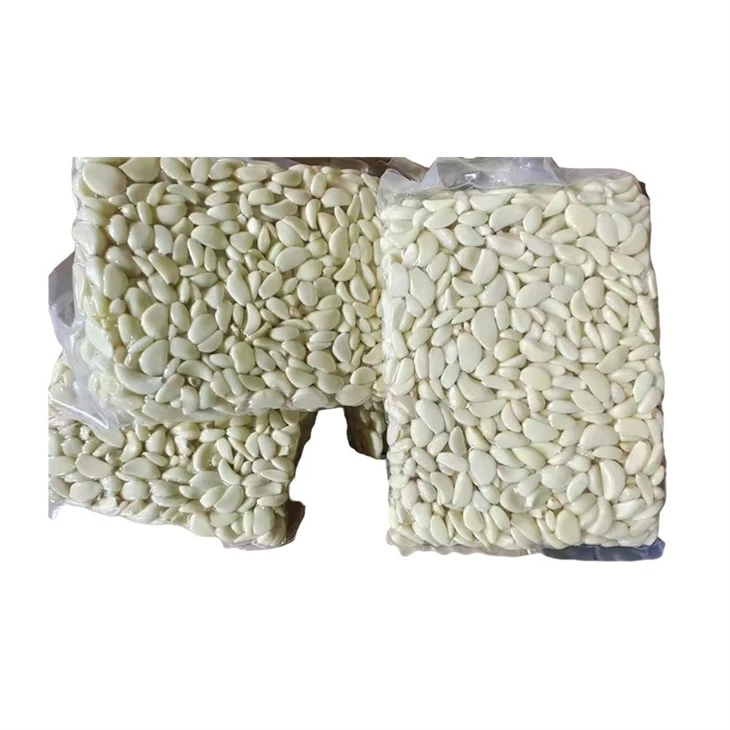
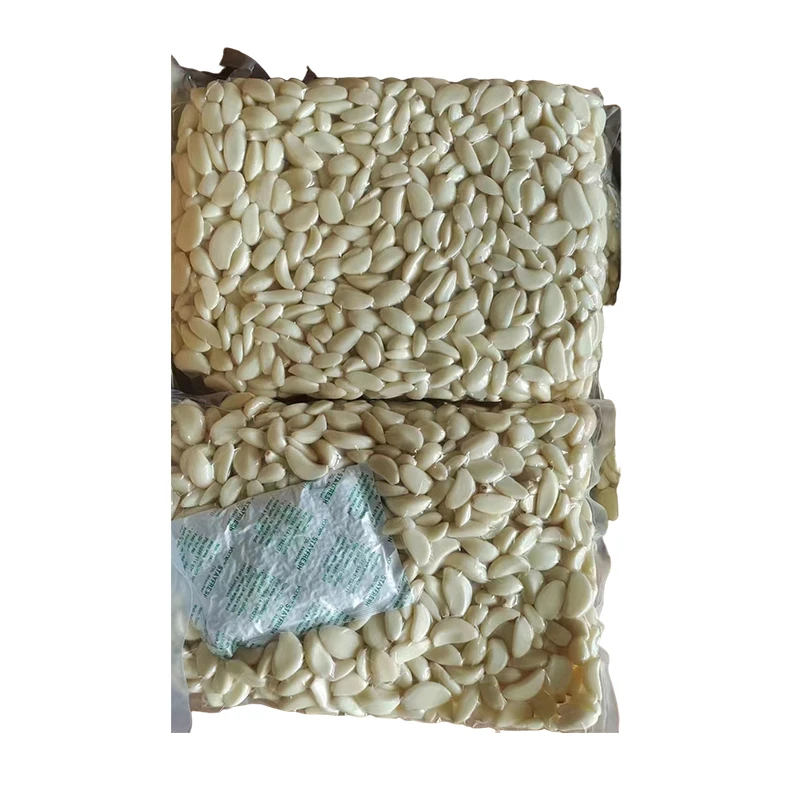
As a frozen garlic supplier, we offer a wide range of high - quality frozen garlic products, including Frozen Peeled Garlic and Samll Net Garlic. Our products are carefully processed and frozen to preserve the natural flavor and nutritional value of the garlic. We use state - of - the - art freezing technology to ensure that our garlic retains its freshness and quality.
Whether you're a home cook, a restaurant owner, or a food manufacturer, our frozen garlic products can meet your needs. We can provide different packaging options to suit your requirements, and we offer competitive prices and excellent customer service.
Conclusion
In conclusion, freezing garlic in a glass container is a viable option, but it requires some precautions to avoid the risk of the glass breaking. By following the best practices outlined in this blog post, you can safely and effectively freeze garlic in a glass container and enjoy the convenience of having this essential ingredient on hand whenever you need it.
If you're interested in purchasing our frozen garlic products, we invite you to reach out to us for more information. We're always happy to discuss your specific needs and provide you with a customized solution. Let's start a conversation about how our frozen garlic can enhance your culinary creations.
References
- "Food Storage and Preservation Guide", USDA Food Safety and Inspection Service
- "The Science of Freezing Foods", Journal of Food Science and Technology