

Is bagged garlic environmentally friendly in terms of packaging? This is a question that has been on my mind as a bagged garlic supplier. In recent years, environmental concerns have become increasingly prominent, and consumers are more conscious about the environmental impact of the products they purchase. As someone in the garlic business, I feel a responsibility to understand and address these concerns regarding the packaging of our bagged garlic.
The Packaging of Bagged Garlic
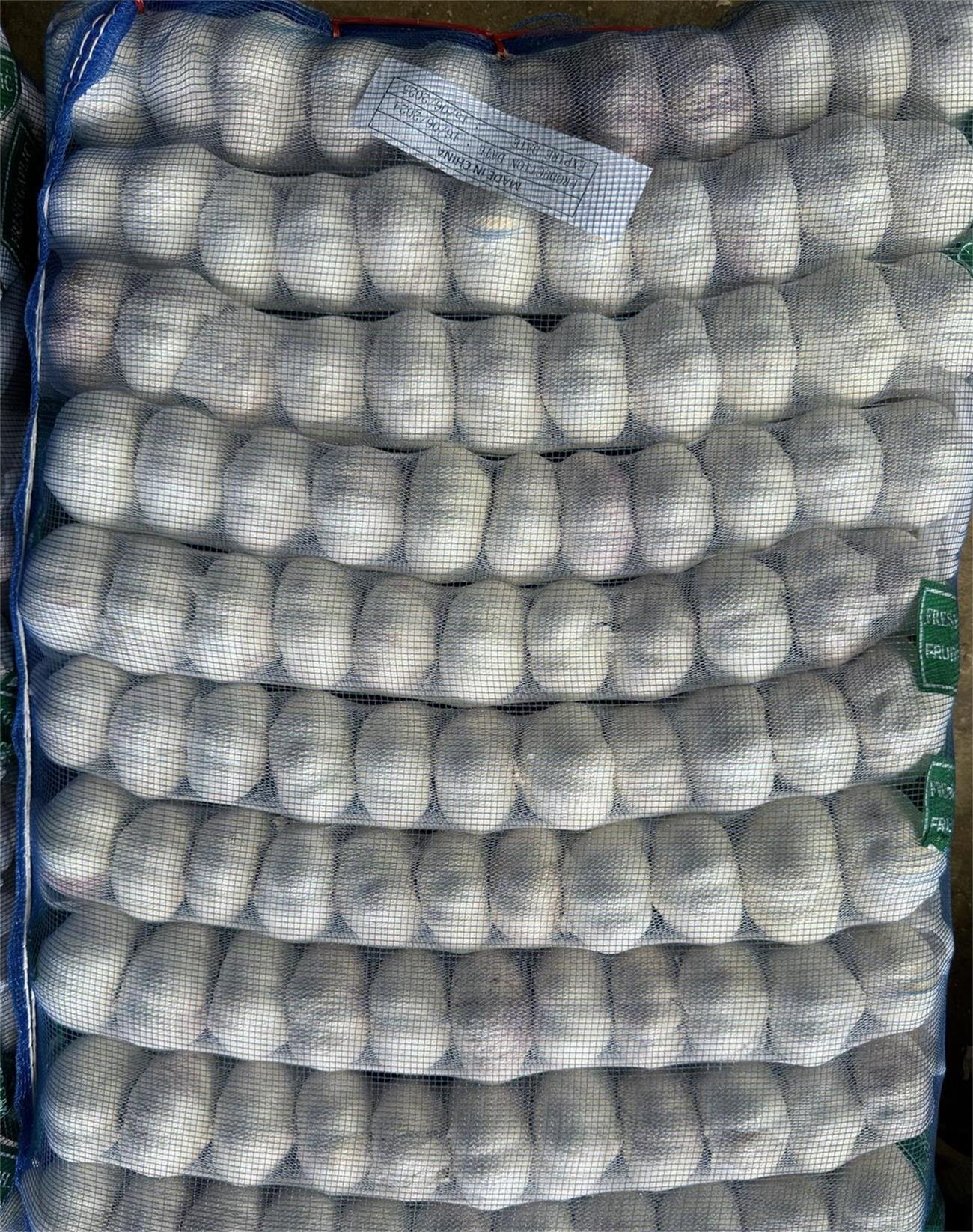
Bagged garlic typically comes in plastic bags. These bags serve several important functions. Firstly, they protect the garlic from physical damage during transportation and storage. Garlic bulbs are relatively fragile, and without proper packaging, they can easily get bruised or crushed, which would reduce their quality and shelf - life. Secondly, the bags provide a certain level of protection against moisture and pests. By keeping the garlic in a sealed environment, we can prevent the growth of mold and the invasion of insects.
However, plastic packaging is often criticized for its environmental impact. Plastic is made from non - renewable resources such as petroleum. The production of plastic requires a large amount of energy and generates significant greenhouse gas emissions. Moreover, plastic is not biodegradable, which means that once it is discarded, it can persist in the environment for hundreds of years, causing pollution to land, water, and wildlife.
Comparing with Other Packaging Options
When considering the environmental friendliness of bagged garlic packaging, it's useful to compare it with other packaging options. For example, bulk garlic is often sold in large sacks or crates. 20kg Bulk Garlic is a common offering in the market. These large - scale packaging solutions may seem more environmentally friendly at first glance because they use less packaging material per unit of garlic. But they also have their drawbacks. Bulk garlic is more exposed to physical damage and environmental factors. It may require more frequent sorting and treatment to maintain its quality, which can lead to additional resource consumption.
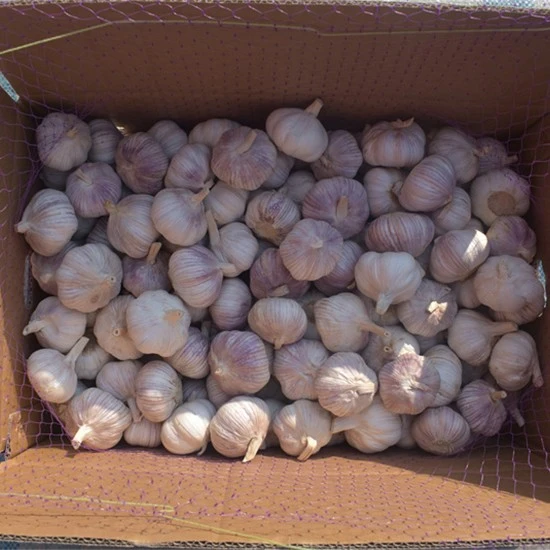
On the other hand, some garlic varieties like Purple - skinned Garlic can be sold with less packaging or even unpackaged in farmers' markets. While this reduces the immediate use of packaging materials, it has limitations in terms of distribution and storage on a commercial scale. It may not be practical for long - distance transportation or for large - volume sales in supermarkets.
Mitigating the Environmental Impact of Bagged Garlic Packaging
As a bagged garlic supplier, we are taking several steps to mitigate the environmental impact of our packaging. One approach is to use biodegradable or compostable plastics. These materials break down more easily in the environment, reducing the long - term pollution caused by plastic waste. Although biodegradable plastics are currently more expensive than traditional plastics, we believe that as demand increases, the cost will gradually decrease, making them a more viable option.
Another way is to optimize the packaging design. We are researching ways to use less plastic while still maintaining the necessary protection for the garlic. This could involve reducing the thickness of the plastic bags or using more efficient packaging shapes. Additionally, we are exploring the possibility of implementing a recycling program. By encouraging consumers to return the used garlic bags, we can collect and recycle the plastic, reducing the amount of waste that goes to landfills.
Consumer Perception and Behavior
Consumer perception plays a crucial role in the environmental friendliness of bagged garlic packaging. Many consumers are now more willing to pay a premium for products with environmentally friendly packaging. However, they also expect the packaging to be functional. For example, they want the bags to be strong enough to prevent the garlic from spilling and easy to open and close.
We have conducted some market research to understand consumer attitudes towards bagged garlic packaging. The results show that while a significant portion of consumers are concerned about the environment, they also value convenience. Therefore, we need to find a balance between environmental protection and consumer convenience. We can educate consumers about the importance of proper disposal and recycling of the packaging, which can help reduce the overall environmental impact.
Economic Considerations
From an economic perspective, the switch to more environmentally friendly packaging may have some short - term costs. As mentioned earlier, biodegradable plastics are more expensive than traditional plastics. However, in the long run, it can also bring benefits. As more consumers demand environmentally friendly products, our bagged garlic with sustainable packaging can gain a competitive edge in the market. This can lead to increased sales and customer loyalty.
Future Prospects
Looking ahead, the future of bagged garlic packaging is likely to be more sustainable. As technology advances, we can expect to see the development of new and more environmentally friendly packaging materials. For example, there are ongoing research efforts on using plant - based materials, such as cellulose or starch, to replace traditional plastics.
We also anticipate that consumer awareness will continue to grow, putting more pressure on suppliers to adopt sustainable packaging solutions. In response, we will continue to invest in research and development to find the best ways to package our Bagged Garlic with the least environmental impact.
Conclusion
In conclusion, the question of whether bagged garlic is environmentally friendly in terms of packaging is complex. While the current plastic packaging has some environmental drawbacks, it also provides important functions for protecting the garlic. As a bagged garlic supplier, we are taking steps to mitigate the environmental impact through the use of biodegradable materials, packaging optimization, and recycling programs.
We believe that by working together with consumers, we can make the bagged garlic packaging more sustainable. If you are interested in purchasing our bagged garlic or want to discuss more about our sustainable packaging initiatives, please feel free to reach out. Let's start a conversation about how we can meet your garlic needs while also protecting the environment.
References
- Patel, M., & Desai, K. (2020). Packaging sustainability: A review of trends, issues, and solutions. Journal of Packaging Technology and Research, 10(2), 123 - 138.
- Smith, A. B. (2021). The environmental impact of plastic packaging in the food industry. Food Science and Technology Today, 35(3), 45 - 52.
- Wong, C. Y., & Lee, S. K. (2022). Consumer attitudes towards environmentally friendly packaging in the fresh produce market. International Journal of Consumer Studies, 46(4), 567 - 578.