

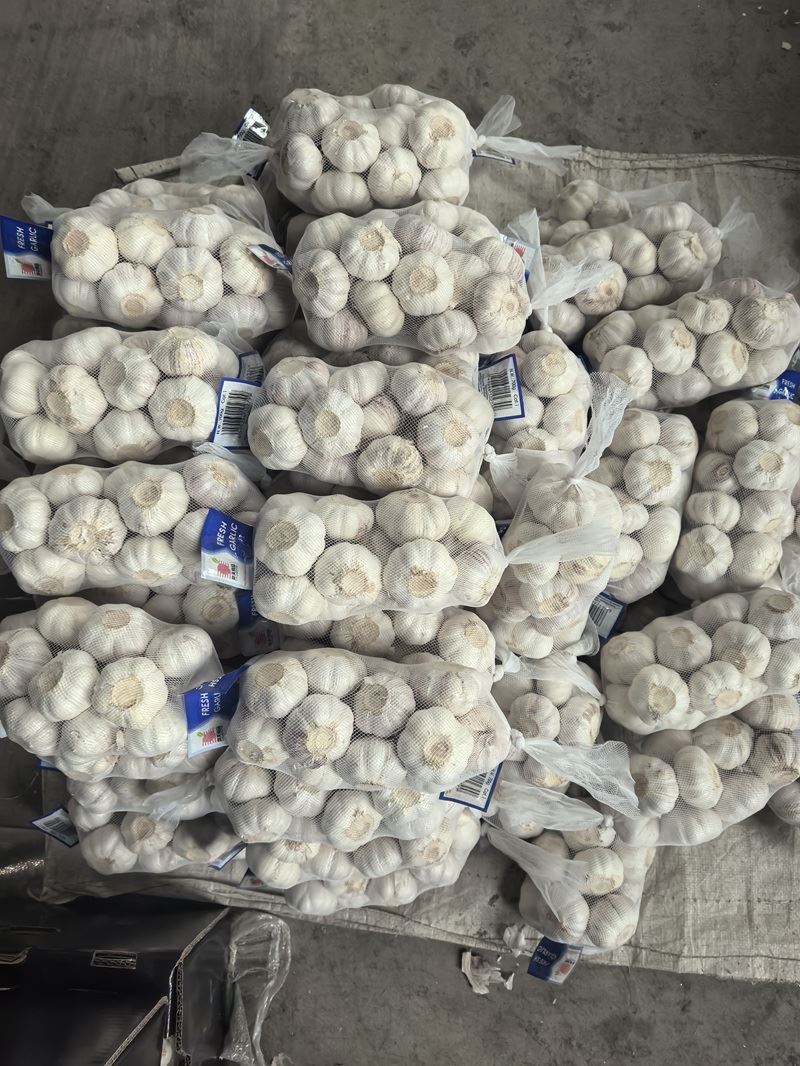

Garlic, a humble yet powerful bulb, has been a part of human diet and medicine for thousands of years. Revered for its pungent flavor and aroma, garlic (Allium sativum) is more than just a culinary staple; it is a natural remedy with a plethora of health benefits. This article delves into the science behind garlic's prowess and explores how this ancient ingredient can enhance our well-being.
I. Introduction to Garlic
Garlic is a member of the onion family and is native to central Asia and northeastern Iran. It has been cultivated for over 5,000 years and has spread to every corner of the world. Known for its distinctive smell and taste, garlic is a key ingredient in many cuisines, adding depth and complexity to a wide array of dishes. Beyond its culinary uses, garlic has been used in traditional medicine for its purported health benefits, which are now supported by scientific research.
II. Antimicrobial Properties
One of the most well-known benefits of garlic is its antimicrobial properties. Garlic contains allicin, a compound that is released when garlic is crushed or chewed. Allicin has been shown to have antibacterial, antiviral, and antifungal effects, making garlic a potent natural antibiotic.
III. Cardiovascular Health
Garlic's impact on cardiovascular health is another area where it shines. Studies have shown that regular consumption of garlic can help lower blood pressure, reduce the risk of blood clots, and improve overall heart health. Garlic's ability to lower cholesterol levels also contributes to its heart-healthy reputation.
IV. Cancer Prevention
The potential of garlic to prevent cancer is an area of ongoing research. Garlic's high antioxidant content, particularly the presence of selenium and sulfur compounds, is believed to help neutralize free radicals that can lead to cancer. Some studies suggest that a diet rich in garlic may reduce the risk of certain types of cancer, including stomach and colorectal cancer.
V. Immune System Support
Garlic is known to boost the immune system, thanks to its ability to stimulate the production of immune cells. It has been shown to increase the activity of natural killer cells, which are crucial in fighting off infections and diseases. This immune-boosting property makes garlic a valuable ally during cold and flu season.
VI. Detoxification and Liver Health
Garlic aids in detoxification by stimulating the production of enzymes that help remove toxins from the body. It is particularly beneficial for liver health, as it can help protect the liver from damage and support its detoxification processes.
VII. Anti-Inflammatory Effects
Inflammation is a key factor in many chronic diseases, and garlic has been found to possess anti-inflammatory properties. It can help reduce inflammation in the body, which may alleviate symptoms of arthritis and other inflammatory conditions.
VIII. Blood Sugar Regulation
For those with diabetes or at risk of developing the condition, garlic can be a valuable addition to their diet. Garlic has been shown to help regulate blood sugar levels, which can be beneficial in managing diabetes and preventing its onset.
IX. Cognitive Health
Garlic's potential to support cognitive health is an exciting area of research. Some studies suggest that garlic may help protect against neurodegenerative diseases such as Alzheimer's, possibly due to its antioxidant and anti-inflammatory properties.
X. How to Maximize Garlic's Benefits
To get the most out of garlic, it's important to prepare it correctly. Allicin, the compound responsible for many of garlic's health benefits, is formed when garlic is chopped or crushed. It is recommended to let chopped or crushed garlic sit for about 10 minutes before cooking to allow allicin levels to peak.
XI. Culinary Uses of Garlic
While the health benefits of garlic are numerous, it is also a versatile ingredient in the kitchen. Here are a few ways to incorporate garlic into your diet:
1. Garlic Bread: A classic use of garlic, simply spread butter and minced garlic on bread and toast for a delicious appetizer.
2. Pasta Dishes: Sauté garlic with olive oil and add it to pasta sauces for a flavor boost.
3. Roasted Vegetables: Toss vegetables with olive oil, salt, pepper, and minced garlic before roasting for a healthy side dish.
4. Soups and Stews: Add minced garlic early in the cooking process to infuse the broth with flavor.
5. Salad Dressings: Whisk garlic into vinaigrettes for a tangy kick.
XII. Potential Side Effects and Precautions
While garlic is generally safe for most people, some may experience side effects such as bad breath, body odor, or gastrointestinal discomfort. Those on blood-thinning medications should consult with a healthcare provider before consuming large amounts of garlic, as it may increase the risk of bleeding.
XIII. Conclusion
Garlic's journey from a simple seasoning to a recognized health ally is a testament to its versatility and power. Its ability to support cardiovascular health, boost the immune system, and potentially prevent cancer makes it a must-have in any kitchen. As research continues to uncover more of garlic's secrets, one thing is clear: this ancient bulb is more than just a flavor enhancer-it is a key to a healthier life.
Hot Tags: garlic in big net bag, China garlic in big net bag suppliers, factory, garlic vegetables, garlic for restaurants, garlic dressing, garlic for professional kitchens, garlic in chinese cuisine, garlic seasoned snacks


