

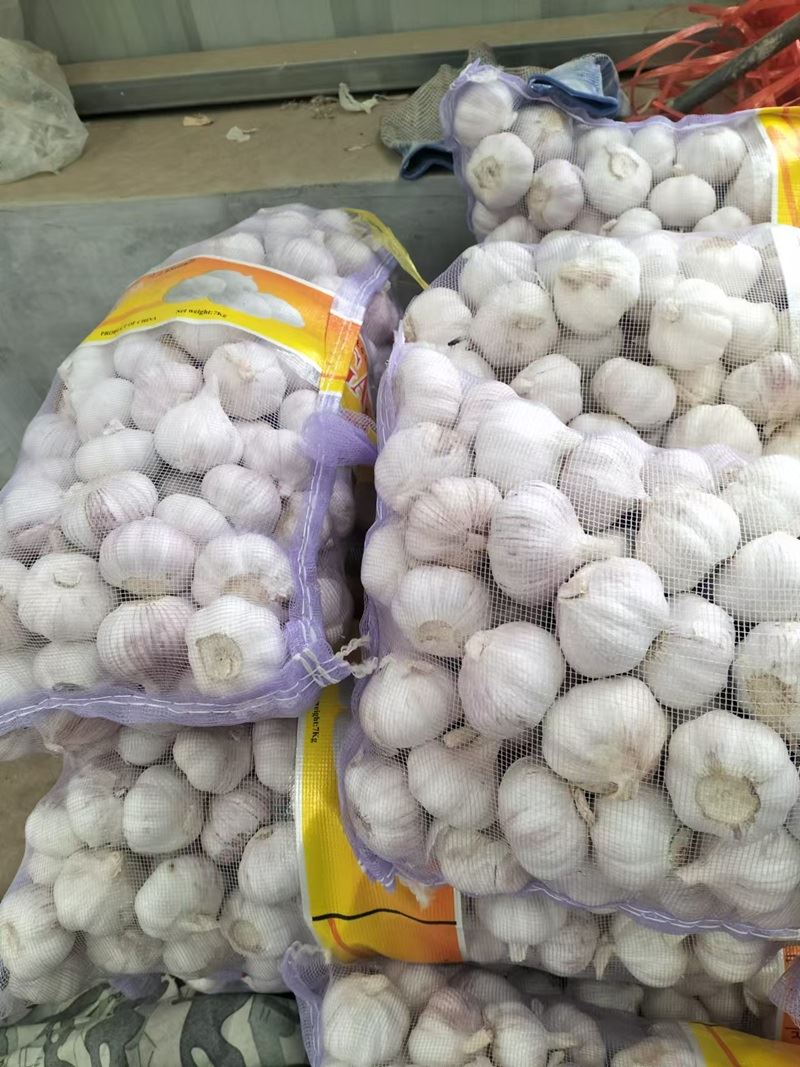
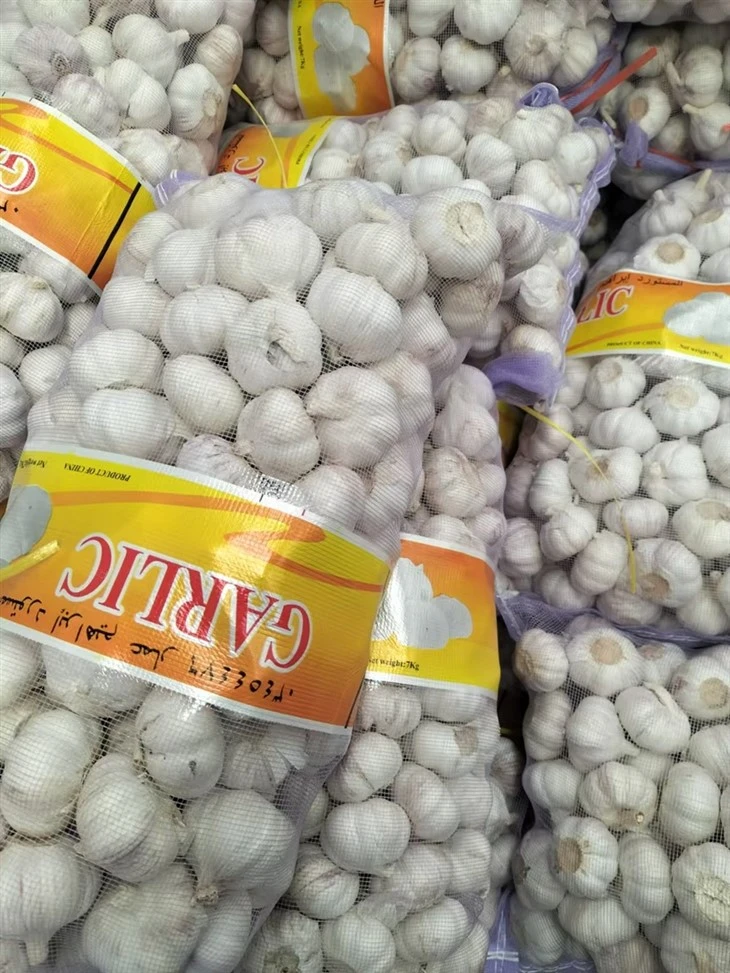
Garlic, known as "Da Suan" in China, is deeply ingrained in the country's culture and cuisine. With a history dating back over 5000 years, garlic has been revered not just for its culinary properties but also for its medicinal values. China stands as the world's largest producer, consumer, and exporter of garlic, accounting for more than 85% of the global supply. This article explores the significance of garlic in Chinese culture, its culinary uses, and its role in traditional Chinese medicine.
I. Historical Roots and Cultivation
The cultivation of garlic in China dates back to more than 5000 years ago. Historically, it was revered for both its culinary and medicinal properties. Garlic was first introduced to China from Central Asia and has since become an integral part of Chinese agriculture, particularly in regions like Shandong and Jinxiang, which are renowned for their high-quality garlic production.
II. Culinary Uses
Garlic is a staple in Chinese cuisine, adding a pungent and savory flavor to a variety of dishes. It is used in almost every dish, from stir-fries to dumplings and various sauces. Here are some ways garlic is used in Chinese cooking:
1. Stir-Fries: Garlic is an important aromatic in any stir-fry, added to oil to infuse it with fragrance.
2. Dumplings: Chinese dumplings often include garlic in their fillings, adding a pungent flavor.
3. Sauces: Garlic is a key ingredient in many signature Chinese sauces, such as the fiery red sauce that covers steamed seafood and meat.
4. Pickles: In northern China, garlic is pickled in brown vinegar and sugar, a sweet and crunchy accompaniment to dumplings.
5. Vegetarian Dishes: Garlic enhances vegetarian dishes, adding depth to stir-fried eggplants and other vegetables.
III. Laba Garlic and Cultural Significance
Laba garlic holds a special place in Chinese culture. It is primarily famous in northern China and is traditionally prepared and enjoyed during the Laba Festival, which falls on the eighth day of the twelfth lunar month. Laba garlic bulbs soaked in liquor are enjoyed for their warming properties, and the festival itself involves eating Laba porridge, which often includes garlic.
IV. Health Benefits and Traditional Chinese Medicine
In Traditional Chinese Medicine (TCM), garlic is known for its ability to tonify yang, promote qi and blood circulation, resolve dampness, eliminate toxins, expel wind, and boost immunity. Garlic has been used to treat a variety of ailments, from food poisoning to respiratory issues. Modern research supports many of these traditional uses, showing that garlic can lower cholesterol, improve heart health, and possess anti-inflammatory and anti-microbial properties.
V. Export and Trade
China is the leading exporter of garlic, with a significant share of about 65.6% in global exports. The country exports garlic to neighboring countries like Indonesia, Vietnam, and others, contributing to its status as a major player in the global garlic market.
VI. Conclusion
Garlic's role in China extends beyond the kitchen; it is a symbol of health, prosperity, and cultural heritage. From its historical significance in medicine to its versatile use in modern cuisine, garlic remains a cherished component of Chinese life. As China continues to be the world's largest producer, consumer, and exporter of garlic, its influence on global food culture and health practices is undeniable.
Garlic in China is more than just a flavor; it is a tradition, a medicine, and a testament to the country's rich agricultural and culinary history. Whether it's enhancing the taste of a dish or promoting good health, garlic's importance in Chinese culture is as strong as its flavor.
Hot Tags: garlic in bags, China garlic in bags suppliers, factory, garlic in asian cuisine, garlic for halloween, garlic seafood, food grade garlic, garlic in vietnamese cuisine, garlic infused oil


