

As a supplier of fresh wild garlic, I've spent years exploring the best growing conditions to ensure the highest quality produce. Wild garlic, also known as ramsons, is a flavorful and nutritious herb that has gained popularity in recent years. In this blog, I'll share my insights on the optimal conditions for growing fresh wild garlic, which can help you understand the efforts behind our high - quality products.
Climate and Temperature
Wild garlic thrives in temperate climates. It prefers cool, moist conditions, much like those found in the understories of forests in spring. The ideal temperature range for its growth is between 10°C and 20°C (50°F - 68°F). Temperatures above 25°C (77°F) can cause the plant to bolt prematurely, which means it will start to flower and go to seed. This reduces the quality of the leaves, as they become tougher and less flavorful.
In regions with harsh winters, wild garlic goes dormant. It can tolerate frost and snow, and in fact, the cold period helps to break the dormancy of the bulbs. When spring arrives and the soil temperature warms up to around 10°C, the plant begins to sprout. This natural cycle is crucial for the development of healthy wild garlic plants.
Soil Requirements
The soil is one of the most important factors in growing fresh wild garlic. It prefers rich, well - drained soil that is high in organic matter. A loamy soil with a pH between 6.0 and 7.5 is ideal. The organic matter in the soil provides essential nutrients for the plant's growth, such as nitrogen, phosphorus, and potassium.
Wild garlic roots are relatively shallow, so the top few inches of soil need to be loose and fertile. Adding compost or well - rotted manure to the soil before planting can significantly improve its structure and nutrient content. Additionally, good drainage is essential to prevent waterlogging, which can lead to root rot and other diseases.
Light Conditions
Wild garlic is a shade - loving plant. It naturally grows in the understory of forests, where it receives dappled sunlight. Direct sunlight for extended periods can be harmful to the plant, causing the leaves to wilt and turn yellow. A location that gets about 4 - 6 hours of indirect sunlight per day is perfect.
In a garden or a growing area, you can mimic the natural forest environment by planting wild garlic under taller trees or using shade cloth. This will protect the plants from the intense mid - day sun and provide the right amount of light for photosynthesis.
Watering
Proper watering is essential for the growth of fresh wild garlic. The soil should be kept consistently moist but not waterlogged. During the growing season, which is usually in spring, regular watering is required, especially during dry spells. However, over - watering can be just as harmful as under - watering.
A good rule of thumb is to water the plants deeply once or twice a week, depending on the weather conditions. You can check the soil moisture by inserting your finger into the soil up to the second knuckle. If the soil feels dry at that depth, it's time to water. Mulching around the plants can help retain soil moisture and reduce the frequency of watering.
Propagation
Wild garlic can be propagated in two main ways: by seeds or by bulbs. Propagating from bulbs is the more common and reliable method. Bulbs should be planted in the fall, about 2 - 3 inches deep and 4 - 6 inches apart. They will establish roots over the winter and start growing in the spring.
Seeds can also be used, but they require a period of cold stratification to germinate. This means that the seeds need to be exposed to cold temperatures for a certain period before they will sprout. After stratification, the seeds can be sown in the soil in the spring.
Pest and Disease Management
Wild garlic is relatively resistant to pests and diseases. However, like any plant, it can still be affected by certain problems. Slugs and snails are common pests that can eat the leaves of wild garlic. You can control them by using natural methods such as placing beer traps or crushed eggshells around the plants.
Fungal diseases can also occur, especially in wet conditions. To prevent fungal infections, make sure the plants have good air circulation and that the soil is well - drained. If a fungal disease does occur, you can use organic fungicides to treat it.
Harvesting
The best time to harvest fresh wild garlic is in the spring, when the leaves are young and tender. You can start harvesting when the plants are about 6 - 8 inches tall. Cut the leaves close to the base of the plant, leaving some leaves behind to allow the plant to continue growing.
Harvesting in moderation is important to ensure the long - term health of the wild garlic patch. Over - harvesting can deplete the plants and reduce their ability to reproduce.
Our Commitment as a Supplier
At our company, we follow these best growing practices to ensure that our fresh wild garlic is of the highest quality. We carefully select the growing locations based on the optimal climate, soil, and light conditions. Our farmers are experienced in growing wild garlic and use sustainable farming methods to protect the environment.
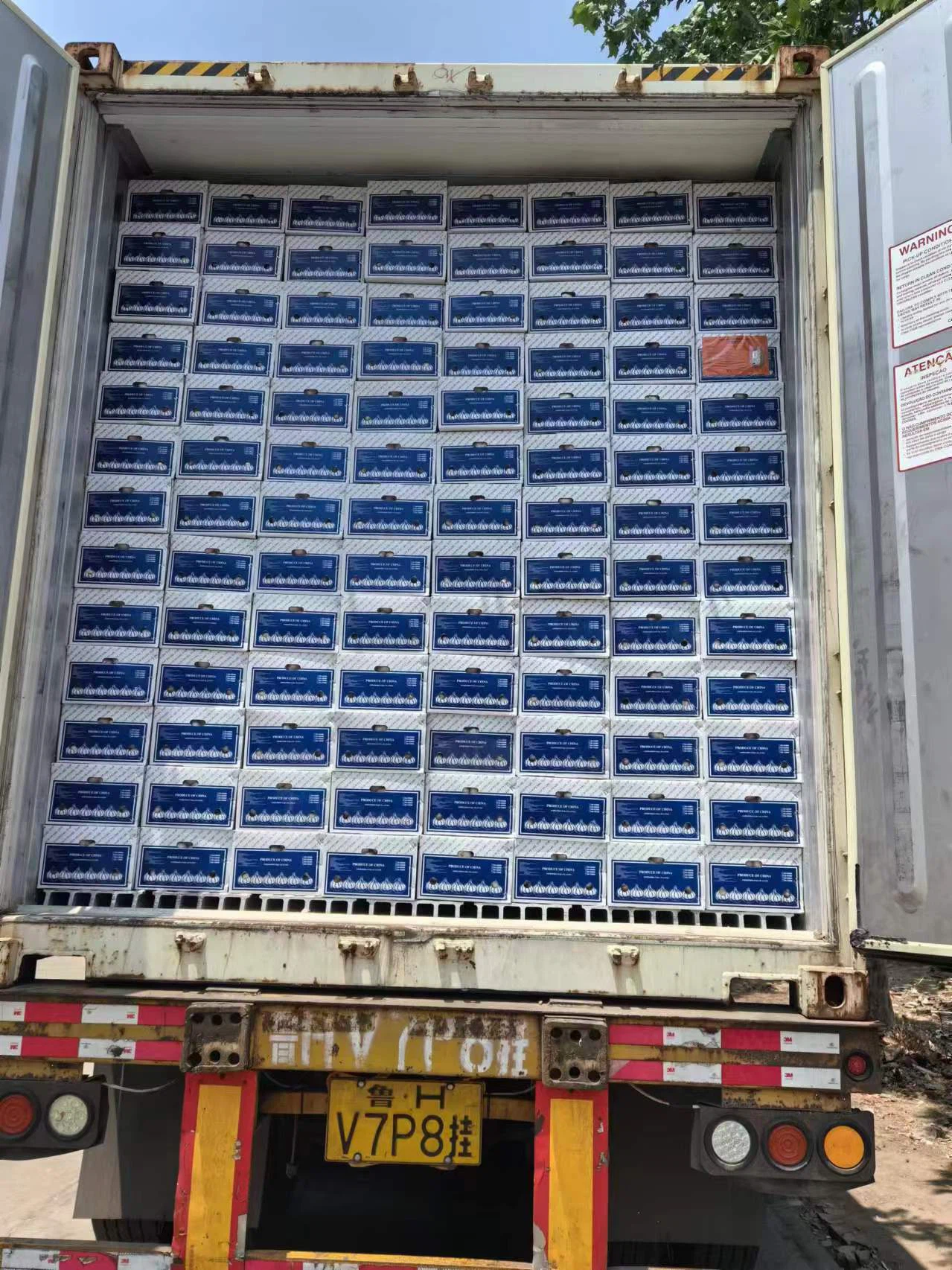
We also pay close attention to the harvesting and handling process. Once the wild garlic is harvested, it is quickly cooled and transported to our processing facilities. We use the latest Transporting Garlic techniques to ensure that the product reaches our customers in the freshest possible condition.
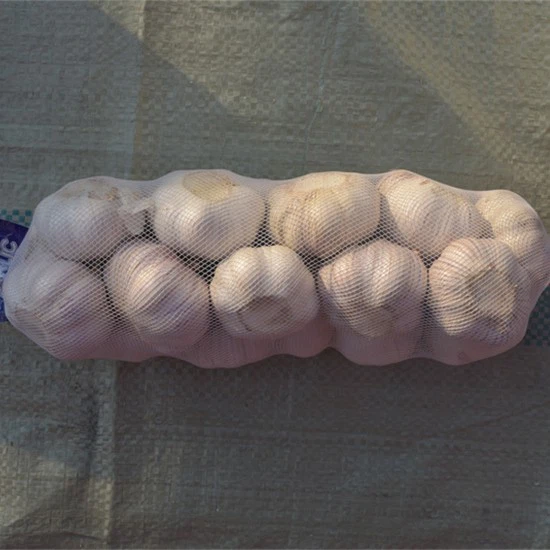
In addition to our standard fresh wild garlic, we also offer Purple Garlic, which has a unique flavor and appearance. Our 6.0cm Garlic is another popular product, known for its large size and excellent taste.
If you're interested in purchasing our fresh wild garlic or any of our other garlic products, we invite you to contact us for a procurement discussion. We're always happy to work with customers to meet their specific needs and provide them with the best quality garlic products.
References
- "The Complete Guide to Growing Herbs" by Jane Gates
- "Organic Gardening for Beginners" by John Smith
- "Wild Edible Plants: A Forager's Guide" by Sarah Green