

As a supplier of 10kg bulk garlic, I often receive inquiries about the various processing options available for this quantity of garlic. Garlic is a versatile and widely used ingredient in cuisines around the world, and its processing can add value and extend its shelf life. In this blog post, I will explore some of the common processing options for 10kg bulk garlic.
Fresh Garlic Packaging
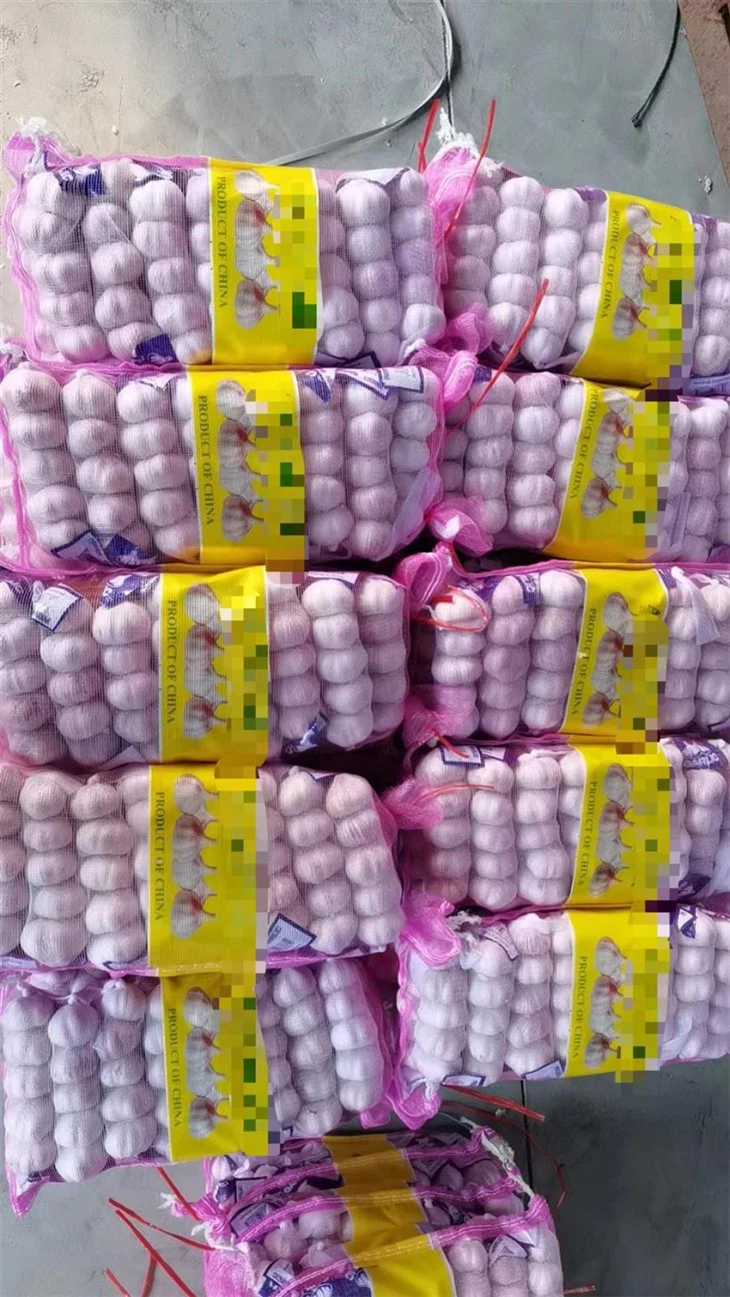
One of the simplest processing options for 10kg bulk garlic is to repackage it into smaller, more consumer - friendly sizes. This can be done in a variety of ways. For instance, we can divide the 10kg bulk into smaller bags. You can find our Large Bag Of White Garlic which is a popular option for retailers or restaurants that need a larger quantity at once. And for individual consumers or smaller food service providers, Small Package Of Garlic is a great choice. This packaging process not only makes it easier for the end - user to handle and store the garlic but also allows for better inventory management.
When packaging fresh garlic, it is important to ensure proper ventilation to prevent mold growth. The garlic should be stored in a cool, dry place, and the packaging should be made of materials that allow air circulation. For example, mesh bags or perforated plastic bags are commonly used for fresh garlic packaging.
Garlic Peeling
Peeling garlic is a time - consuming task, especially when dealing with a large quantity like 10kg. However, it adds significant value as peeled garlic is more convenient for consumers. There are several methods for peeling 10kg of garlic.
One option is to use mechanical peelers. These machines use a combination of friction and air pressure to remove the garlic skins. They can process a large amount of garlic in a relatively short time. Another method is the water - immersion method. Garlic cloves are soaked in water for a certain period, which softens the skins and makes them easier to remove. After peeling, the garlic can be packaged in sealed containers or frozen to preserve its freshness.

Garlic Crushing and Pureeing
Crushing and pureeing garlic are other popular processing options. Garlic paste or puree is a convenient ingredient for cooking as it can be easily added to sauces, dressings, and marinades. To make garlic puree from 10kg of garlic, the peeled cloves are first crushed using a garlic press or a food processor. Then, they are blended with a small amount of oil or water to create a smooth paste.
The puree can be packaged in jars or tubes and sold as a ready - to - use product. It has a longer shelf life compared to fresh garlic, especially if it is properly preserved with the addition of a small amount of vinegar or citric acid. This processed garlic product is highly sought after by both home cooks and professional chefs.
Garlic Dehydration
Dehydrating garlic is an excellent way to extend its shelf life and create a versatile ingredient. The 10kg of garlic can be sliced or minced before being dehydrated. There are different methods for dehydration, including using a dehydrator, an oven set at a low temperature, or even sun - drying in suitable climates.
Once dehydrated, the garlic can be ground into a powder or left in flake form. Garlic powder is a staple in many spice racks and is used to add flavor to a wide range of dishes. Garlic flakes can be rehydrated when needed and used in cooking. Dehydrated garlic products are lightweight and easy to store, making them ideal for long - term storage and transportation.
Garlic Oil Production
Garlic oil is another valuable product that can be made from 10kg of bulk garlic. To produce garlic oil, the peeled cloves are first crushed and then infused in a carrier oil, such as olive oil or vegetable oil. The mixture is heated gently over low heat for a period of time to extract the garlic flavor and aroma into the oil.
The oil can be filtered to remove any solid particles and then bottled. Garlic oil is used in cooking, salad dressings, and even for its potential health benefits. It has a rich garlic flavor and can enhance the taste of many dishes.
Quality Control in Garlic Processing
Regardless of the processing option chosen, quality control is of utmost importance. When starting with 10kg of bulk garlic, it is essential to select high - quality garlic bulbs. The garlic should be free from mold, rot, and damage. During the processing, strict hygiene standards should be maintained to prevent contamination.
For example, in a garlic peeling or pureeing facility, all equipment should be regularly cleaned and sanitized. Workers should wear appropriate protective clothing and follow proper food safety procedures. Quality control also includes testing the processed garlic products for factors such as moisture content, flavor, and microbial levels.
Market Demand for Processed Garlic
The market demand for processed garlic products is significant. Consumers are increasingly looking for convenient and ready - to - use ingredients. Restaurants and food manufacturers also have a high demand for processed garlic as it allows for consistent flavor and quality in their products.
Peeled garlic, garlic puree, and garlic powder are popular in the retail market, while garlic oil and dehydrated garlic are in high demand in the food service industry. As a supplier of 10kg bulk garlic, offering a range of processed products can help meet the diverse needs of the market and increase the profitability of the business.
Cost - Benefit Analysis
When considering the different processing options for 10kg of bulk garlic, a cost - benefit analysis is necessary. Each processing method has its own costs, including equipment, labor, and packaging materials. For example, setting up a garlic dehydration facility requires a significant investment in dehydrators and storage equipment.
On the other hand, the value - added products can command a higher price in the market. Processed garlic products generally have a longer shelf life, which reduces the risk of spoilage and waste. By carefully analyzing the costs and potential profits, a supplier can determine the most suitable processing options for their 10kg bulk garlic.
Conclusion
In conclusion, there are numerous processing options for 10kg of bulk garlic, each with its own advantages. From simple packaging to more complex processes like dehydration and oil production, these options can add value to the garlic and meet the diverse needs of the market. As a supplier, it is important to understand the market demand, invest in the right equipment, and maintain strict quality control.
If you are interested in purchasing our 10kg bulk garlic or any of our processed garlic products, we invite you to reach out for a procurement discussion. We are committed to providing high - quality products and excellent service to our customers.
References
- "Garlic: Production, Processing, and Uses" by John N. Sofos and Fidel Toldrá
- "Food Processing Technology: Principles and Practice" by P. Fellows