

White garlic, with its pungent aroma and distinct flavor, is a staple in kitchens around the globe. As a supplier of top - quality white garlic, I'm often asked about where this remarkable ingredient originates from. Unraveling the origins of white garlic takes us on a journey through time and across continents, a tale woven with history, culture, and commerce.
The Ancient Roots in Central Asia
The story of white garlic begins approximately 7,000 years ago in Central Asia. This region, encompassing parts of modern - day Kazakhstan, Kyrgyzstan, Tajikistan, Turkmenistan, and Uzbekistan, provided the perfect ecological conditions for garlic to thrive. The temperate climate, with its distinct seasons and well - drained soils, allowed wild garlic species to evolve and adapt.
Archaeological evidence suggests that garlic was one of the earliest cultivated crops. Ancient civilizations in Central Asia recognized the plant's value not only as a food source but also for its potential medicinal properties. Garlic was used to treat various ailments, from digestive issues to infections. It was also believed to have protective qualities, warding off evil spirits and diseases.
Spread to the Middle East and Egypt
From Central Asia, garlic made its way to the Middle East. The fertile lands of Mesopotamia, present - day Iraq, were ideal for garlic cultivation. The Sumerians, one of the earliest civilizations in the region, grew garlic as early as 3000 BC. They documented its use in both cooking and medicine on cuneiform tablets.

The ancient Egyptians also held garlic in high regard. Garlic was found in the tombs of pharaohs, including Tutankhamun, indicating its importance in the afterlife. Garlic was cultivated on a large scale along the Nile River. The laborers who built the pyramids were given garlic to boost their strength and endurance. Garlic also had religious significance in Egyptian culture, being offered to the gods.
Garlic's Journey to Europe
Garlic's spread to Europe can be attributed to several factors, including trade and conquest. The Greeks and Romans were introduced to garlic through their interactions with the Middle East and Egypt. Greek athletes consumed garlic before competitions, believing it would enhance their performance. Roman soldiers carried garlic with them on their military campaigns, both for its health benefits and as a flavor enhancer for their food.
As the Roman Empire expanded, so did the cultivation of garlic. It was brought to Western Europe, where it was adopted by local populations. In France, garlic became a key ingredient in traditional cuisine, such as aioli and coq au vin. In Italy, regions like Sicily and Calabria are famous for their garlic - rich dishes, from pasta sauces to seafood preparations.
Arrival in the Americas
European explorers and settlers brought garlic to the Americas in the 16th century. Spanish conquistadors introduced garlic to Central and South America, where it quickly integrated into local culinary traditions. Garlic is an essential component of Latin American cuisine, used in salsas, moles, and other savory dishes.
In North America, garlic was first cultivated by early European settlers. However, it was not until the 20th century that garlic production in the United States, particularly in California, became significant. California's climate and agriculture infrastructure made it an ideal place for large - scale garlic cultivation. Today, the state is one of the largest producers of white garlic in the world.
Garlic in Asia: A Modern - Day Powerhouse
While garlic originated in Central Asia, it has also found a new home in other parts of Asia. China is now the world's largest producer of garlic. The country's diverse climates, from the cold northwest to the warm south, allow for year - round production. Chinese garlic is known for its large bulbs and high quality.
India is another major player in the garlic market. Garlic is a crucial spice in Indian cooking, used in curries, chutneys, and pickles. The Indian climate, particularly in states like Gujarat and Madhya Pradesh, is well - suited for garlic cultivation.
As a Supplier: Quality and Variety
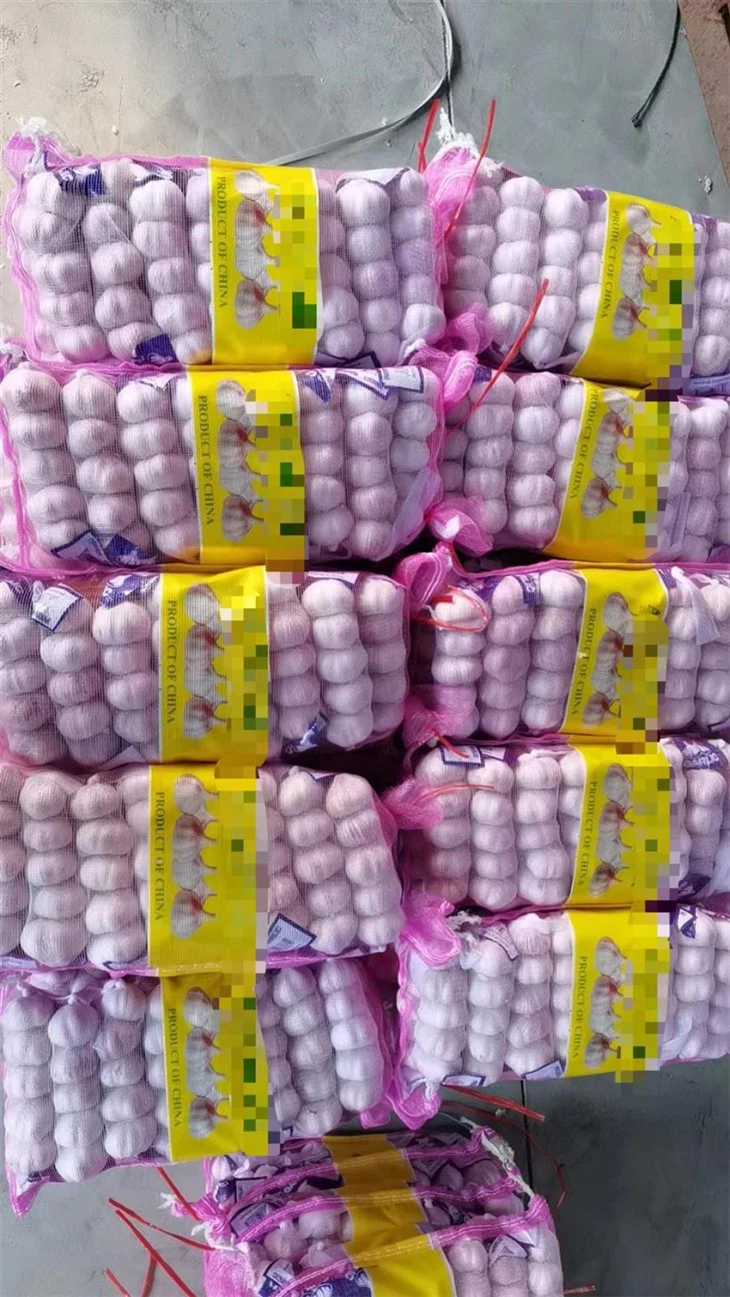
As a white garlic supplier, I understand the importance of sourcing garlic from regions with a long - standing tradition of cultivation. We offer a range of high - quality products to meet the diverse needs of our customers. Our Large Bag Of White Garlic is perfect for restaurants and food processors looking for a bulk supply of fresh garlic. Each bag contains carefully selected bulbs that are uniform in size and flavor.
For those who need a smaller but still substantial quantity, our 10kg Bulk Garlic is an excellent choice. Whether you're a home cook or a small - scale business, this option provides you with a consistent supply of garlic.
Our Fresh Raw Garlic is harvested at the peak of freshness. We ensure that our garlic is free from pesticides and preservatives, delivering a natural and healthy product to your table.
Connect with Us for Your Garlic Needs
Whether you're a restaurant owner, a food manufacturer, or simply a garlic enthusiast, we're here to provide you with the best white garlic in the market. Our commitment to quality, combined with our knowledge of garlic's diverse origins, allows us to offer products that meet the highest standards. If you're interested in purchasing our white garlic, we invite you to reach out for a detailed discussion about your requirements. We can customize our offerings to fit your specific needs, whether it's in terms of quantity, packaging, or delivery. Let's start a conversation and explore how we can be your trusted partner in all things garlic.
References
- "Garlic: The Science and Therapeutic Application of Allium sativum L. and Related Species" by Lawrence J. Berliner and Jeanette A. Frei
- "Food in Time and Place: An Encyclopedia of the World's Edibles" edited by Tamra Burns Lovett.
- "The Oxford Companion to Food" by Alan Davidson.