

As a supplier of fresh wild garlic, I've had the privilege of closely observing and understanding the unique visual characteristics that set this remarkable ingredient apart. In this blog post, I'll delve into the distinct visual traits of fresh wild garlic, offering insights that can help you recognize its freshness and quality when making a purchase.
Leaf Structure and Appearance
One of the most prominent visual features of fresh wild garlic is its leaves. The leaves are long, slender, and lance - shaped, typically growing to a length of around 10 - 25 centimeters. They have a smooth, shiny surface that reflects light, giving them a vibrant and healthy appearance. The edges of the leaves are often slightly wavy, adding to their aesthetic appeal.
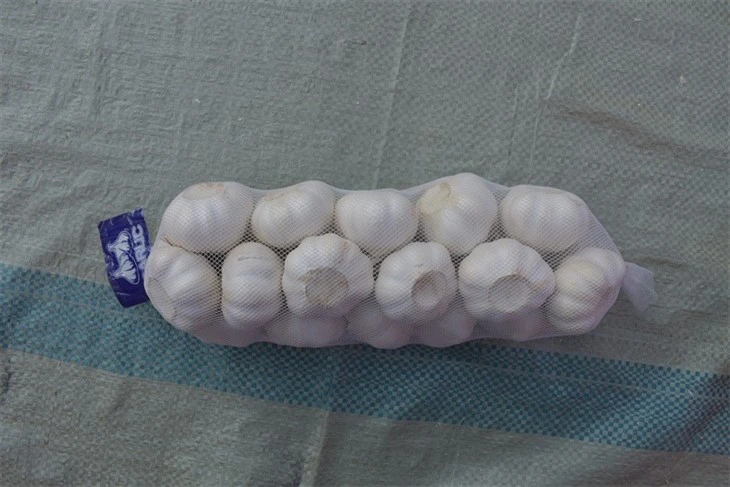

The color of the leaves is a rich, vivid green. This deep green hue is an indication of the high chlorophyll content in the plant, which is essential for photosynthesis. A fresh wild garlic leaf should have an even color distribution, without any signs of yellowing or browning. Yellow or brown spots on the leaves can be a sign of age, disease, or improper storage.
When you hold a fresh wild garlic leaf, you'll notice its firmness. A healthy leaf will be crisp and snap easily when bent. If the leaf is limp or rubbery, it may not be as fresh. This firmness is a result of the turgor pressure within the plant cells, which is maintained when the plant is well - hydrated.
Bulb Characteristics
The bulbs of fresh wild garlic are relatively small compared to cultivated garlic varieties. They are usually about the size of a marble or slightly larger. The outer skin of the bulb is thin and papery, often with a light brown or off - white color. This papery skin protects the inner cloves and helps to prevent moisture loss.
When you peel away the outer skin, you'll reveal the cloves inside. The cloves are typically white or pale yellow, with a smooth and shiny surface. They are tightly packed together within the bulb, and each clove has a pointed tip. The number of cloves in a wild garlic bulb can vary, but it is usually between 2 and 5.
A fresh wild garlic bulb should feel solid and heavy for its size. If the bulb feels light or has a spongy texture, it may be starting to dry out or rot. You can also check the base of the bulb for any signs of mold or mildew. A healthy bulb will have a clean, dry base.
Stem and Root System
The stem of fresh wild garlic is slender and green, similar in color to the leaves. It connects the bulb to the leaves and provides support for the plant. The stem should be straight and firm, without any signs of bending or wilting.
The root system of wild garlic is fibrous and relatively shallow. The roots are thin and white, spreading out from the base of the bulb. When you purchase fresh wild garlic, you may notice some soil still attached to the roots. This is a good sign that the garlic was recently harvested. However, the roots should be clean and free from excessive dirt or debris.
Comparison with Other Garlic Varieties
It's interesting to compare the visual characteristics of fresh wild garlic with other garlic varieties, such as White Garlic and Fresh Pulled Garlic.
White garlic, as the name suggests, has a white outer skin and larger bulbs compared to wild garlic. The cloves of white garlic are also larger and more numerous. The leaves of white garlic are broader and less lance - shaped than those of wild garlic.
Fresh pulled garlic is often harvested before it fully matures. It has a similar appearance to wild garlic in terms of the overall plant structure, but the bulbs may be smaller and less developed. The leaves of fresh pulled garlic are usually greener and more tender than those of fully matured garlic.
Importance of Visual Characteristics in Quality Assessment
Understanding the visual characteristics of fresh wild garlic is crucial for assessing its quality. When you are a chef, a home cook, or a food retailer, you want to ensure that the wild garlic you are using or selling is fresh and of high quality.
Visual inspection can help you identify any signs of spoilage or damage. For example, if you notice any mold on the leaves or bulbs, or if the leaves are discolored, it's best to avoid using that batch of wild garlic. By choosing fresh wild garlic with the right visual characteristics, you can ensure that you are getting the best flavor and nutritional value from the ingredient.
How to Store Fresh Wild Garlic to Maintain Visual Appeal
To maintain the visual appeal and freshness of fresh wild garlic, proper storage is essential. You can store fresh wild garlic in the refrigerator. Place the garlic in a plastic bag or an air - tight container, and make sure to remove as much air as possible. This will help to prevent moisture loss and keep the garlic fresh for longer.
If you have a large quantity of wild garlic, you can also freeze it. First, wash and dry the garlic thoroughly. Then, chop the leaves and bulbs and place them in ice cube trays. Fill the trays with water or olive oil and freeze. This way, you can have fresh - tasting wild garlic available even when it's out of season.
Conclusion
In conclusion, the visual characteristics of fresh wild garlic are a key indicator of its quality and freshness. From the vibrant green leaves to the small, solid bulbs, every aspect of the plant's appearance can tell you a lot about its condition. As a supplier of Fresh Wild Garlic, I take pride in providing high - quality products with all the visual traits that you expect from fresh wild garlic.
If you are interested in purchasing fresh wild garlic for your restaurant, grocery store, or home kitchen, I encourage you to get in touch. We can discuss your specific needs and ensure that you receive the best - quality wild garlic at a competitive price. Whether you're looking for a small quantity for personal use or a large order for commercial purposes, we're here to serve you.
References
- "The Botany of Garlic" by Botanical Society of America
- "Garlic: A Global History" by Ted J. K. Chang
- "Fresh Produce Quality Assessment" by Food Science Institute