

Garlic, a pungent and flavorful bulb, has long been a staple in kitchens around the world. Beyond its culinary uses, garlic also holds a significant place in various cultures, with a rich history of traditional and symbolic applications. As a supplier of bags of garlic, I've witnessed firsthand the diverse ways in which this versatile ingredient is appreciated and utilized. In this blog post, we'll explore the cultural uses of garlic, delving into its historical significance, traditional practices, and symbolic meanings across different societies.
Historical Significance of Garlic
Garlic has been cultivated and used by humans for thousands of years, with evidence of its consumption dating back to ancient civilizations. In ancient Egypt, garlic was highly valued for its medicinal properties and was even used as a form of currency. Workers building the pyramids were fed garlic to increase their strength and endurance, and it was also placed in the tombs of pharaohs as a symbol of protection in the afterlife.
In ancient Greece, garlic was associated with the god of medicine, Asclepius, and was used to treat a variety of ailments. Greek athletes would consume garlic before competitions to enhance their performance, believing it would give them an edge over their opponents. Similarly, in ancient Rome, garlic was a popular ingredient in both cooking and medicine, and soldiers would often carry it with them into battle for its purported health benefits.
Traditional Practices and Medicinal Uses
Throughout history, garlic has been used in traditional medicine to treat a wide range of conditions. In many cultures, it is believed to have antibacterial, antiviral, and antifungal properties, making it a natural remedy for colds, flu, and other infections. Garlic is also thought to have cardiovascular benefits, helping to lower cholesterol levels and reduce the risk of heart disease.
In traditional Chinese medicine, garlic is considered a warming food that can help to improve circulation and boost the immune system. It is often used in herbal remedies to treat digestive problems, respiratory ailments, and skin conditions. In Ayurvedic medicine, garlic is used to balance the body's three doshas, or energies, and is believed to have a cleansing and detoxifying effect on the body.
In addition to its medicinal uses, garlic is also used in traditional practices and rituals in many cultures. In some parts of Europe, garlic is hung outside the home or placed under the pillow to ward off evil spirits and protect against bad luck. In other cultures, garlic is used in religious ceremonies and festivals as a symbol of purification and protection.

Symbolic Meanings of Garlic
Garlic holds a variety of symbolic meanings in different cultures, often representing protection, strength, and fertility. In many European cultures, garlic is associated with vampires and other supernatural creatures, and is believed to have the power to repel them. This belief likely stems from the strong odor of garlic, which was thought to be offensive to evil spirits.
In some Asian cultures, garlic is a symbol of good luck and prosperity. It is often used in traditional New Year's dishes and decorations to bring good fortune and ward off negative energy in the coming year. In African cultures, garlic is sometimes used in rituals and ceremonies to represent strength and courage, and is believed to give the wearer the power to overcome obstacles and challenges.
Culinary Uses of Garlic
Of course, one of the most well-known uses of garlic is in cooking. Garlic is a versatile ingredient that can be used in a variety of dishes, from savory soups and stews to spicy sauces and marinades. Its distinct flavor and aroma add depth and complexity to any recipe, making it a favorite among chefs and home cooks alike.
In Mediterranean cuisine, garlic is a staple ingredient in many dishes, such as pasta sauces, pizza, and roasted vegetables. It is often used in combination with other herbs and spices, such as olive oil, basil, and oregano, to create bold and flavorful dishes. In Asian cuisine, garlic is commonly used in stir-fries, curries, and noodle dishes, adding a spicy and savory kick to the food.
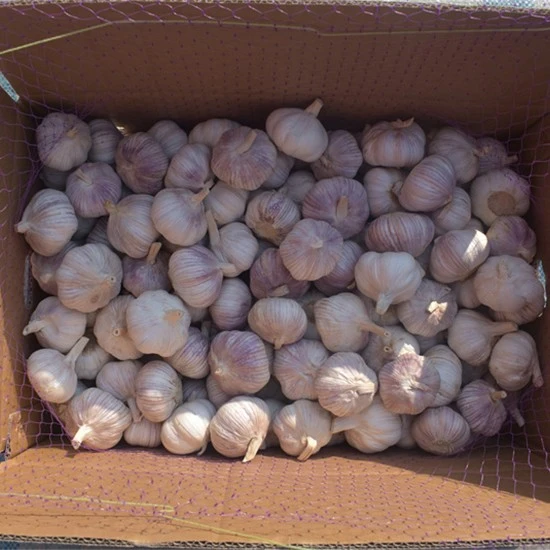
As a supplier of bags of garlic, I offer a variety of high-quality garlic products to meet the needs of my customers. Whether you're looking for Freshly Picked Garlic, White Garlic, or 20kg Bulk Garlic, I have the perfect product for you. My garlic is sourced from trusted growers and is carefully selected for its freshness, flavor, and quality.
Conclusion
In conclusion, garlic is a truly remarkable ingredient with a rich history and cultural significance. From its use in traditional medicine and rituals to its role in culinary traditions around the world, garlic has played an important part in human culture for thousands of years. As a supplier of bags of garlic, I am proud to offer a product that is not only delicious but also has a deep cultural and historical significance.
If you're interested in learning more about the cultural uses of garlic or would like to purchase our high-quality garlic products, please don't hesitate to contact me. I would be happy to discuss your needs and help you find the perfect garlic for your next culinary adventure.
References
- "Garlic: A Global History" by Ted J. Kaptchuk
- "The Encyclopedia of Herbs and Spices" by Deni Bown
- "Traditional Chinese Medicine: The Complete Guide" by Nigel Wiseman