

Hey there! I'm an organic raw garlic supplier, and I'm super stoked to share with you all the amazing environmental benefits of our organic raw garlic. So, let's dive right in!
Reduced Chemical Pollution
One of the most significant environmental perks of organic raw garlic is the reduced use of synthetic chemicals. When garlic is grown organically, farmers steer clear of using synthetic pesticides, herbicides, and fertilizers. These chemicals can have some seriously negative impacts on the environment.
Synthetic pesticides, for example, can contaminate soil, water, and air. They can kill beneficial insects like bees and butterflies, which are crucial for pollination. Without them, our crops, including garlic, would struggle to grow. According to a study by the Environmental Protection Agency (EPA), pesticides can also make their way into water sources, harming aquatic life. Organic farming practices avoid all these issues by using natural methods to control pests and diseases. For instance, farmers might introduce beneficial insects like ladybugs to eat aphids or use neem oil, a natural pesticide, to keep harmful bugs at bay.
Soil Health and Conservation
Organic farming is all about building and maintaining healthy soil. When it comes to growing organic raw garlic, farmers focus on adding organic matter to the soil, like compost and manure. This helps to improve the soil's structure, making it more fertile and better able to hold water.
Healthy soil is essential for growing strong and nutritious garlic. It also plays a crucial role in carbon sequestration. The organic matter in the soil acts as a carbon sink, storing carbon dioxide from the atmosphere. This helps to mitigate climate change by reducing the amount of greenhouse gases in the air. As a result, by choosing our Organic Raw Garlic, you're not only getting a delicious and healthy product but also supporting a more sustainable way of farming that is good for the planet.
Biodiversity Preservation
Organic farms tend to be more biodiverse than conventional farms. When growing organic raw garlic, farmers create a more natural ecosystem where different plants and animals can coexist. This is because they don't use chemicals that can wipe out entire species.
For example, organic farms often have hedgerows and wildflower strips around the fields. These provide habitats for birds, insects, and small mammals. The presence of these creatures helps to keep the ecosystem in balance. Birds might eat insects that could damage the garlic, while insects like bees help with pollination. Additionally, the diverse crops grown on organic farms can attract different types of beneficial organisms, further enhancing the overall biodiversity. So, when you buy our organic garlic, you're helping to preserve this rich biodiversity.
Reduced Water Pollution
As mentioned earlier, conventional garlic farming relies heavily on synthetic fertilizers. When it rains, these fertilizers can be washed off the fields and into nearby water bodies. This can lead to a process called eutrophication, where excessive nutrients cause an overgrowth of algae. The algae can deplete the oxygen in the water, killing fish and other aquatic life.
Organic farming, on the other hand, uses natural fertilizers that are less likely to cause water pollution. The organic matter in these fertilizers is broken down slowly, releasing nutrients over time. This means that there is less runoff into water sources. By choosing our Large Bag Of White Garlic, you're making a choice that helps to protect our precious water resources.
Energy Efficiency
Organic farming generally uses less energy compared to conventional farming. This is because it doesn't rely on the production and transportation of synthetic chemicals. The manufacturing of synthetic fertilizers and pesticides requires a significant amount of energy, often from fossil fuels.
In addition, organic farming practices are more likely to be local and small-scale. This reduces the distance that the garlic has to travel from the farm to your table, which in turn reduces the carbon footprint associated with transportation. Plus, organic farms often use more traditional farming methods that don't rely on large machinery, further saving energy. So, when you choose our organic raw garlic, you're making an energy-efficient choice.
Comparing with Garlic from the Market
Let's talk about how our organic raw garlic stacks up against Garlic From The Market. The garlic you find in regular markets may have been grown with synthetic chemicals, which can have a negative impact on the environment. On the other hand, our organic raw garlic is grown using sustainable practices that are designed to protect the planet.
Not only is our garlic better for the environment, but it's also healthier for you. Organic garlic is free from harmful pesticide residues, making it a safer choice for your family. And let's not forget about the taste! Many people find that organic garlic has a richer and more intense flavor compared to conventionally grown garlic. So, it's a win-win situation - you get a delicious and healthy product while also doing your part for the environment.
Conclusion
In conclusion, the environmental benefits of organic raw garlic are numerous. From reducing chemical pollution and preserving soil health to promoting biodiversity and saving energy, organic farming offers a more sustainable way to grow garlic. As an organic raw garlic supplier, I'm passionate about providing high-quality, environmentally friendly products.
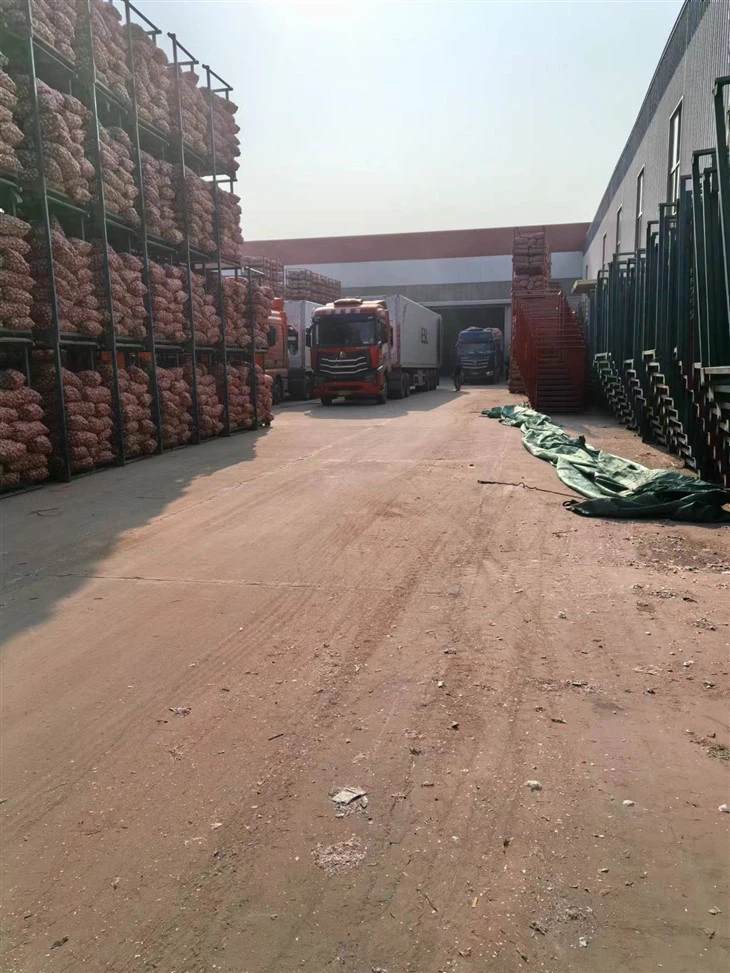
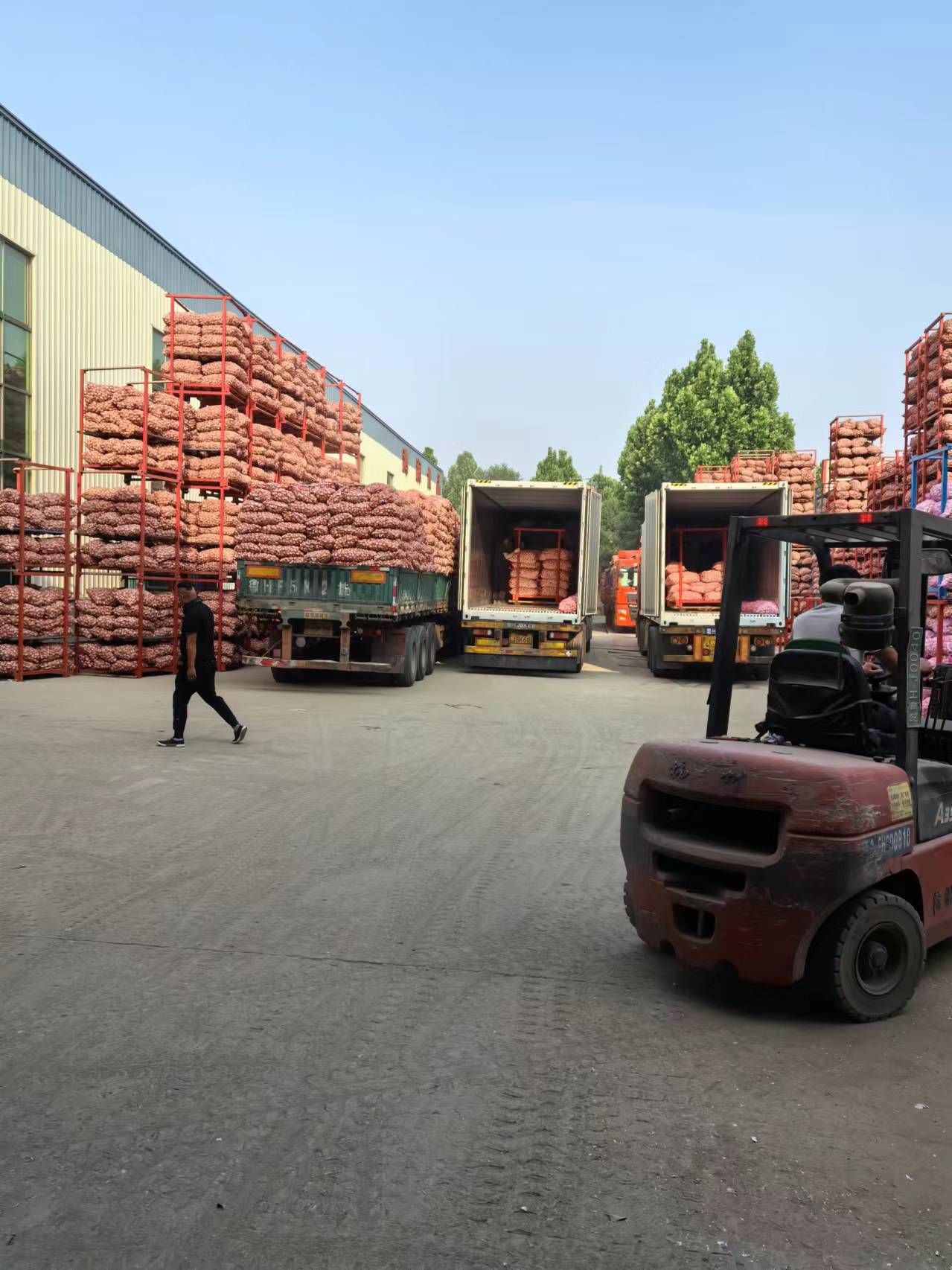
If you're interested in purchasing our organic raw garlic, whether it's a Large Bag Of White Garlic or just want to find out more about our Organic Raw Garlic, I'd love to have a chat with you. Let's work together to make a positive impact on the environment while enjoying the many benefits of this amazing ingredient.
References
- Environmental Protection Agency (EPA). (Year). Pesticide impacts on the environment.
- Various studies on organic farming and soil health.
- Research on biodiversity in organic farms.