

Hey there! As an organic raw garlic supplier, I've had my fair share of questions about the different types of garlic out there. One of the most common queries I get is about the differences between white and purple organic raw garlic. So, I thought I'd break it down for you in this blog post.
Appearance
Let's start with the obvious - their looks. White organic raw garlic has those classic white papery skins. It's what most people picture when they think of garlic. The cloves are usually a pale yellowish - white color and are neatly packed inside the bulb.
On the other hand, purple organic raw garlic stands out with its vibrant purple - streaked or entirely purple skins. It's like the fashionista of the garlic world, always catching your eye. The cloves can also have a bit of a purple tint to them, especially near the outer layers. This difference in appearance isn't just for show; it can give us some clues about what's going on inside.
Flavor Profile
Now, let's talk taste. White garlic has a milder, more straightforward flavor. It's the kind of garlic that you can use in almost any dish without overpowering other ingredients. It has a bit of a sharpness when raw, but when cooked, it turns into a sweet and mellow flavor that enhances the taste of whatever you're making. For example, in a delicate cream sauce or a light vegetable stir - fry, white garlic will add a nice, subtle garlicky note.
Purple garlic, however, is a bit more intense. It has a stronger, spicier flavor that can really pack a punch. When you bite into a raw clove of purple garlic, you'll feel that heat right away. When cooked, it retains more of its bold flavor, making it a great choice for heartier dishes like stews, chili, or garlic - heavy pasta sauces. If you're a garlic lover who wants that intense garlic experience, purple garlic is your go - to.
Nutritional Value
Both white and purple organic raw garlic are nutritional powerhouses. They're loaded with vitamins C and B6, manganese, and selenium. These nutrients are essential for our immune system, metabolism, and overall health.
But here's where things get interesting. Some studies suggest that purple garlic may have a slightly higher concentration of certain antioxidants compared to white garlic. Antioxidants help protect our cells from damage and can reduce the risk of chronic diseases. So, if you're looking to get an extra boost of antioxidants from your garlic, purple might be the better option.
Growing Conditions
The growing conditions can also play a role in the differences between these two types of garlic. White garlic is generally more adaptable and can grow in a wider range of climates and soil conditions. It's a bit hardier and easier to cultivate, which is one of the reasons it's so widely available.
Purple garlic, on the other hand, often prefers a more specific set of growing conditions. It usually thrives in areas with a bit more sunlight and well - drained soil. The unique growing requirements can sometimes make it a bit more challenging to grow, but the end result is that distinct flavor and appearance.
Culinary Uses
In the kitchen, both types of garlic have their own place. White garlic is incredibly versatile. You can use it in just about any recipe. It's great for making garlic bread, as it won't be too overpowering. You can also mince it and add it to your morning omelette for a little extra flavor. And let's not forget about using it in homemade salad dressings - a little bit of white garlic can take your dressing from ordinary to extraordinary.
Purple garlic is perfect for dishes where you want a strong garlic presence. If you're making a garlicky aioli, purple garlic will give it that extra kick. It's also excellent in marinades for meats, as the bold flavor will seep into the meat and make it even more delicious. You can roast whole heads of purple garlic and spread the soft, roasted cloves on crusty bread for a decadent treat.
Availability and Pricing
White garlic is more commonly available in grocery stores and markets. It's the standard type of garlic that most people are used to buying. Because it's easier to grow and more widely produced, it's usually more affordable.
Purple garlic, due to its specific growing requirements and sometimes lower production volume, can be a bit harder to find. It's often sold in specialty stores or at farmers' markets. And because of its relative rarity, it can be a bit more expensive than white garlic. But if you're willing to pay a little extra for that unique flavor and appearance, it's definitely worth it.
Our Offerings
As an organic raw garlic supplier, we offer both white and purple organic raw garlic. We source our garlic from local farms that use sustainable and organic farming practices. This means that you're getting the freshest, healthiest garlic possible.

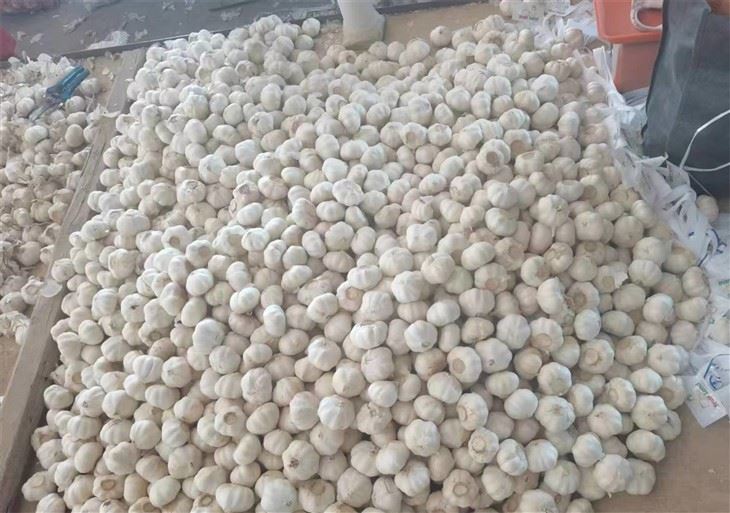
If you're interested in trying our fresh garlic, check out our Fresh Pulled Garlic. It's harvested at the peak of freshness and has all the flavor and nutrients you'd expect from organic garlic.
We also offer 20kg Bulk Garlic for those of you who use a lot of garlic in your cooking or for commercial purposes. Buying in bulk is a great way to save money and always have garlic on hand.
And if you're looking for larger quantities for processing or other uses, our Large Bags Of Garlic are the perfect option.
Contact Us for Purchase
If you're interested in purchasing our organic raw garlic, whether it's white or purple, we'd love to hear from you. We can discuss your specific needs, provide you with a quote, and arrange for delivery. Don't hesitate to reach out and start a conversation about your garlic requirements.
References
- "The Science of Garlic: Nutritional and Medicinal Properties" - Journal of Food Science and Nutrition
- "Garlic Cultivation: Best Practices for Different Varieties" - Agricultural Research Magazine
So, there you have it - the differences between white and purple organic raw garlic. Whether you're a home cook or a professional chef, I hope this information helps you make the right choice for your next culinary adventure.