

Storing garlic properly is crucial for maintaining its quality and flavor. As a seasoned garlic supplier, I often get asked about various storage methods and combinations. One common question that frequently pops up is, "Can I store garlic with herbs?" In this blog post, I'll delve into this topic, exploring the scientific aspects, potential benefits, and drawbacks of storing garlic alongside herbs.
The Science Behind Garlic and Herb Storage
Garlic, a member of the Allium family, has unique storage requirements. It prefers a cool, dry, and well - ventilated environment. Herbs, on the other hand, vary widely in their storage needs depending on the type. Some herbs, like rosemary and thyme, are hardy and can tolerate relatively dry conditions, while others, such as basil and parsley, are more delicate and require more moisture.
The key factor in determining whether garlic and herbs can be stored together is the humidity level. Garlic can develop mold and rot if stored in a high - humidity environment. Herbs that need more moisture might create a micro - climate with higher humidity around them. If garlic is stored in such a humid area, it can lead to spoilage.
Potential Benefits of Storing Garlic with Herbs
Aromatic Enhancement
One of the potential benefits of storing garlic with certain herbs is the enhancement of aroma. Herbs like thyme, rosemary, and sage have strong, pleasant scents. When stored in close proximity to garlic, their aromas can blend, creating a more complex and appealing fragrance. This can be particularly useful if you plan to use both garlic and herbs in cooking. The combined aroma can infuse your dishes with a richer, more layered flavor.
Space - Saving
For home cooks or small - scale users, storing garlic and herbs together can save space. Instead of having separate storage areas for each, you can keep them in one container or a small section of your pantry. This is especially convenient if you have limited storage space in your kitchen.
Drawbacks of Storing Garlic with Herbs
Humidity Mismatch
As mentioned earlier, the humidity requirements of garlic and many herbs are different. Most herbs need some level of moisture to stay fresh, while garlic thrives in a dry environment. Storing them together can lead to an environment that is either too dry for the herbs or too humid for the garlic. If the environment is too dry, the herbs will wilt and lose their flavor. Conversely, if it's too humid, the garlic can develop mold and spoilage.
Cross - Contamination
Another concern is cross - contamination. Garlic has a strong flavor and aroma that can easily transfer to other items. If stored with herbs, it might overpower the delicate flavors of the herbs. Additionally, if either the garlic or the herbs are contaminated with bacteria or fungi, there is a risk of the contamination spreading to the other.
Best Practices for Storing Garlic and Herbs
Separate Storage
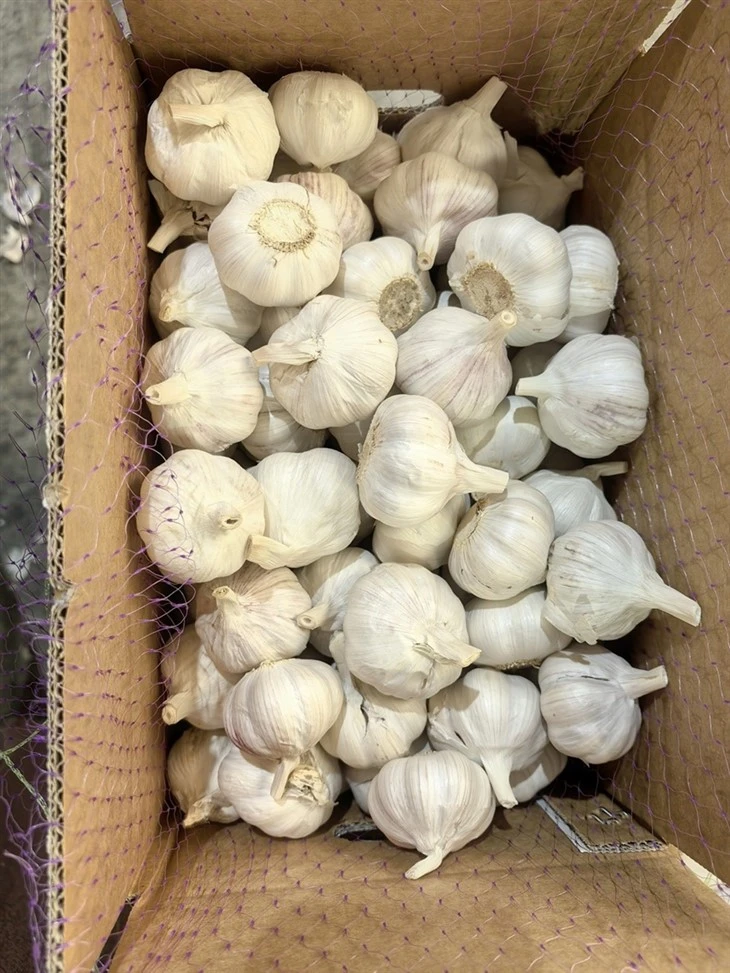
Based on the potential drawbacks, it's generally recommended to store garlic and herbs separately. For garlic, you can use a mesh bag or a well - ventilated container. Mesh Garlic storage is an excellent option as it allows air to circulate freely around the garlic cloves, preventing moisture buildup. Place the garlic in a cool, dry place, away from direct sunlight.
For herbs, the storage method depends on the type. Hardy herbs like rosemary and thyme can be stored in a dry, cool place, similar to garlic. However, they can also be kept in the refrigerator wrapped in a slightly damp paper towel to maintain freshness. Delicate herbs like basil and parsley are best stored in the refrigerator in a glass of water, similar to a bouquet of flowers.
Short - Term Combinations
If you still want to store garlic and herbs together for a short period, such as a few days, you can take some precautions. Use a container with compartments to separate the garlic from the herbs. Make sure the container has good ventilation. You can also place a desiccant packet near the garlic to absorb any excess moisture.
Storing Garlic for Different Uses
Culinary Use
For culinary purposes, it's important to store garlic in a way that preserves its flavor and texture. Whole garlic bulbs can be stored at room temperature in a well - ventilated area. Once you break the bulb into cloves, you can store them in the refrigerator in an airtight container. This will keep the cloves fresh for a few weeks. If you need to store garlic for a longer period, you can also freeze it. Simply peel the cloves and place them in a freezer bag. Frozen garlic can be used directly in cooking, although it might have a slightly different texture.
Bulk Storage
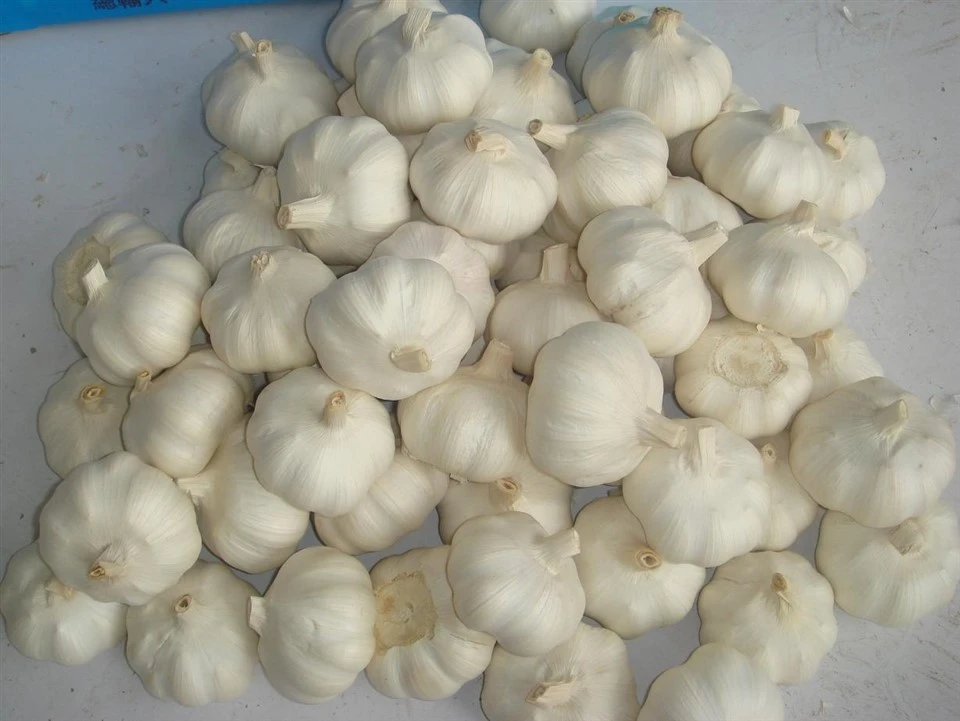
As a garlic supplier, I often deal with Bulk Garlic. Bulk garlic requires proper storage to maintain its quality. It's best to store bulk garlic in a large, well - ventilated container or a mesh bag. Keep the storage area cool, dry, and away from direct sunlight. Regularly check the garlic for any signs of spoilage and remove any damaged cloves promptly.
Conclusion
In conclusion, while it's possible to store garlic with herbs in certain situations, it's generally not the best practice due to the differences in humidity requirements and the risk of cross - contamination. By storing garlic and herbs separately using the appropriate methods, you can ensure that both maintain their quality and flavor for longer.
If you're in the market for high - quality garlic, whether in bulk or other forms, I invite you to explore our Nice Bulk Garlic options. We take pride in providing the freshest and most flavorful garlic to our customers. If you have any questions or are interested in purchasing garlic for your business or personal use, feel free to reach out for a detailed discussion. We're here to help you find the best garlic solutions for your needs.
References
- "The Science of Food Storage" by Food Science Institute
- "Herb and Spice Storage Guide" by Culinary Arts Magazine
- "Garlic: A Comprehensive Guide to Cultivation and Storage" by Agricultural Research Journal