

Hey there! I'm a supplier of 1000g garlic, and I've seen firsthand how crucial it is to use the right fertilizers to grow top - quality garlic. In this blog, I'll share with you the best fertilizers for growing 1000g garlic.
Why Fertilizers Matter for Garlic
Garlic is a heavy feeder, which means it needs a good amount of nutrients to grow big and healthy. The right fertilizers can provide these nutrients, improve soil structure, and enhance the overall health of the garlic plants. Without proper fertilization, your garlic might end up small, weak, and more susceptible to diseases.
Types of Fertilizers for Garlic
Organic Fertilizers
-
Compost
Compost is like a magic potion for garlic. It's rich in organic matter, which helps improve soil fertility and water - holding capacity. Compost also contains a wide range of nutrients, including nitrogen, phosphorus, and potassium, as well as micronutrients like calcium and magnesium. You can make your own compost at home using kitchen scraps, yard waste, and manure. Just spread a layer of compost over the soil before planting your garlic cloves and then mix it in. This will give your garlic a great start. -
Manure
Manure is another excellent organic fertilizer for garlic. Cow manure, horse manure, and chicken manure are all popular choices. Manure is high in nitrogen, which is essential for the vegetative growth of garlic plants. However, it's important to use well - rotted manure, as fresh manure can burn the garlic plants. You can apply manure in the fall before planting or in the spring as a side - dressing.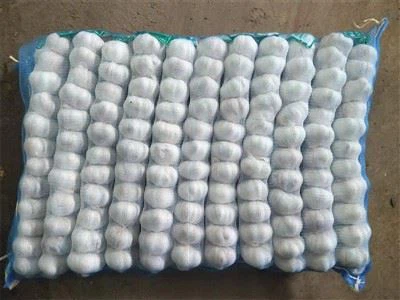
-
Bone Meal
Bone meal is a slow - release fertilizer that's rich in phosphorus. Phosphorus is important for root development and bulb formation in garlic. You can mix bone meal into the soil at the time of planting or sprinkle it around the base of the garlic plants during the growing season.
Inorganic Fertilizers
- Nitrogen - Rich Fertilizers
Garlic needs a good supply of nitrogen, especially during the early stages of growth. Urea and ammonium nitrate are two common nitrogen - rich fertilizers. You can apply these fertilizers in the spring when the garlic plants start to grow. However, be careful not to over - apply nitrogen, as this can lead to excessive leaf growth at the expense of bulb development. - Phosphorus and Potassium Fertilizers
Phosphorus and potassium are also important for garlic growth. Superphosphate and potassium sulfate are two fertilizers that can provide these nutrients. You can apply these fertilizers at the time of planting or as a side - dressing during the growing season.
How to Apply Fertilizers
-
Pre - Planting Application
Before planting your garlic cloves, it's a good idea to prepare the soil by applying a balanced fertilizer. You can use a combination of organic and inorganic fertilizers. For example, you can mix compost and bone meal into the soil. This will provide a slow - release source of nutrients for the garlic plants. -
Side - Dressing
During the growing season, you can apply additional fertilizers as a side - dressing. Side - dressing involves applying fertilizers around the base of the garlic plants. You can use a nitrogen - rich fertilizer in the spring to promote leaf growth and a phosphorus - and potassium - rich fertilizer later in the season to support bulb development. -
Foliar Feeding
Foliar feeding is another way to provide nutrients to your garlic plants. You can use a liquid fertilizer and spray it directly on the leaves of the garlic plants. This can be a quick way to correct nutrient deficiencies, especially during the growing season.
My Recommendations for Growing 1000g Garlic
Based on my experience as a 1000g garlic supplier, I recommend using a combination of organic and inorganic fertilizers. Start with a pre - planting application of compost and bone meal. Then, apply a nitrogen - rich fertilizer in the spring as a side - dressing. Later in the season, use a phosphorus - and potassium - rich fertilizer to support bulb development. You can also use foliar feeding to give your garlic plants an extra boost.
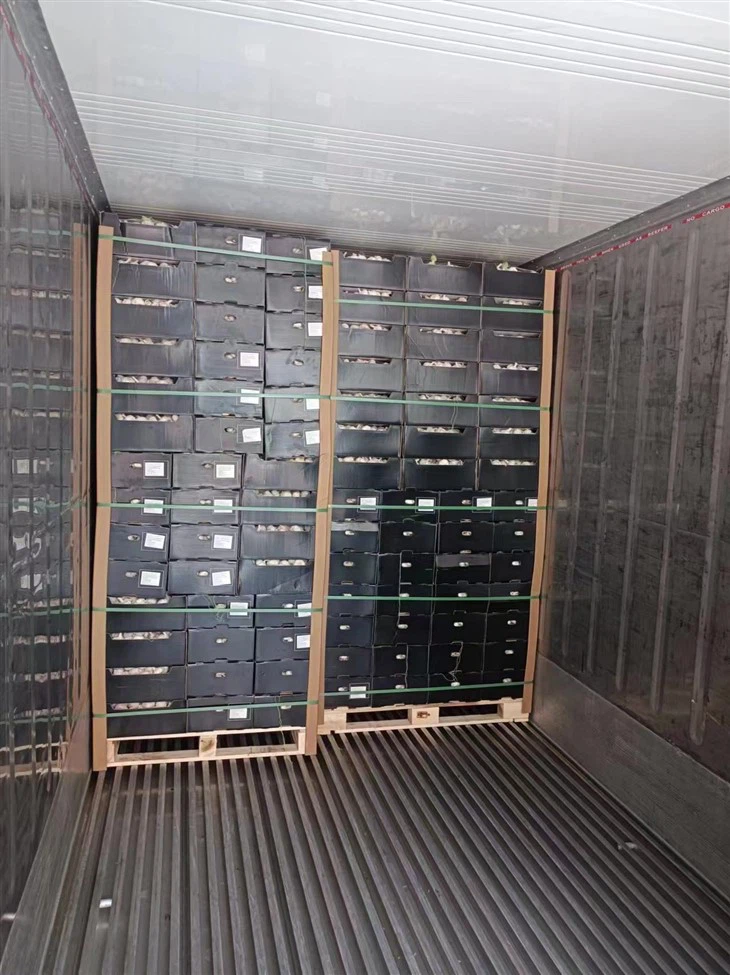
If you're interested in different types of garlic products, you can check out Samll Net Garlic, Pallet Transporting White Garlic, and 5p Garlic. These are some of the high - quality garlic products that I offer as a supplier.
Conclusion
Growing 1000g garlic requires the right fertilizers and proper fertilization techniques. Whether you choose organic or inorganic fertilizers, make sure to provide your garlic plants with the nutrients they need at the right time. By following the tips in this blog, you can grow big, healthy garlic bulbs.
If you're interested in purchasing high - quality 1000g garlic from me, feel free to reach out for a procurement discussion. I'm always happy to talk about my products and work with you to meet your garlic needs.
References
- "The Vegetable Gardener's Bible" by Edward C. Smith
- "Rodale's Organic Gardening Encyclopedia of Vegetables" by Fern Marshall Bradley, Barbara W. Ellis, and Deborah L. Martin