

Is fresh wild garlic invasive? This is a question that has piqued the interest of many, especially those in the culinary and agricultural sectors. As a supplier of fresh wild garlic, I've encountered this query numerous times. In this blog, I'll delve into the topic, exploring the invasive nature of fresh wild garlic from a scientific perspective while also highlighting the benefits and market demand for this flavorful ingredient.
Understanding Fresh Wild Garlic
Fresh wild garlic, also known as ramsons or Allium ursinum, is a perennial plant that belongs to the Allium family, which also includes onions, shallots, and chives. It is native to Europe and parts of Asia and is commonly found in damp, shaded woodlands. The plant has long, lance - shaped leaves and white star - shaped flowers that bloom in the spring.
Wild garlic has a distinct, pungent flavor that is milder than that of cultivated garlic. It is a popular ingredient in many cuisines, used in salads, soups, pesto, and as a garnish. Its unique taste and aroma have made it a sought - after product in the market, and as a supplier, I've witnessed a growing demand for fresh wild garlic in recent years.
The Invasive Species Debate
The concept of an invasive species is complex. An invasive species is typically defined as a non - native organism that causes harm to the environment, economy, or human health. When it comes to fresh wild garlic, the situation is a bit more nuanced.
In its native range, wild garlic is an integral part of the ecosystem. It plays a role in the food chain, providing food for insects and other wildlife. Its bulbs help to aerate the soil, and its leaves decompose, adding nutrients to the forest floor. However, when wild garlic is introduced to non - native areas, it can sometimes exhibit invasive behavior.
Wild garlic has a high reproductive rate. It spreads both by seed and vegetatively through its bulbs. In areas where it is not native, it can outcompete native plants for resources such as light, water, and nutrients. This can lead to a reduction in biodiversity as native plant species are crowded out.
For example, in some parts of North America, wild garlic has been reported to spread rapidly in wooded areas, forming dense patches that prevent the growth of native understory plants. This can have a cascading effect on the entire ecosystem, affecting the habitat and food sources of native animals.

On the other hand, in its native European habitats, wild garlic is well - adapted and does not cause significant ecological harm. In fact, it is often considered a valuable part of the forest ecosystem.
The Market for Fresh Wild Garlic
Despite the invasive species concerns in some areas, the market for fresh wild garlic continues to grow. Chefs and home cooks alike are drawn to its unique flavor and the fact that it is a seasonal, fresh ingredient.
As a supplier, I offer a range of fresh wild garlic products. We have High Quality Packed Garlic, which is carefully harvested and packed to ensure maximum freshness and flavor. Our Fresh Pulled Garlic is straight from the field, providing customers with the purest form of this delicious ingredient.
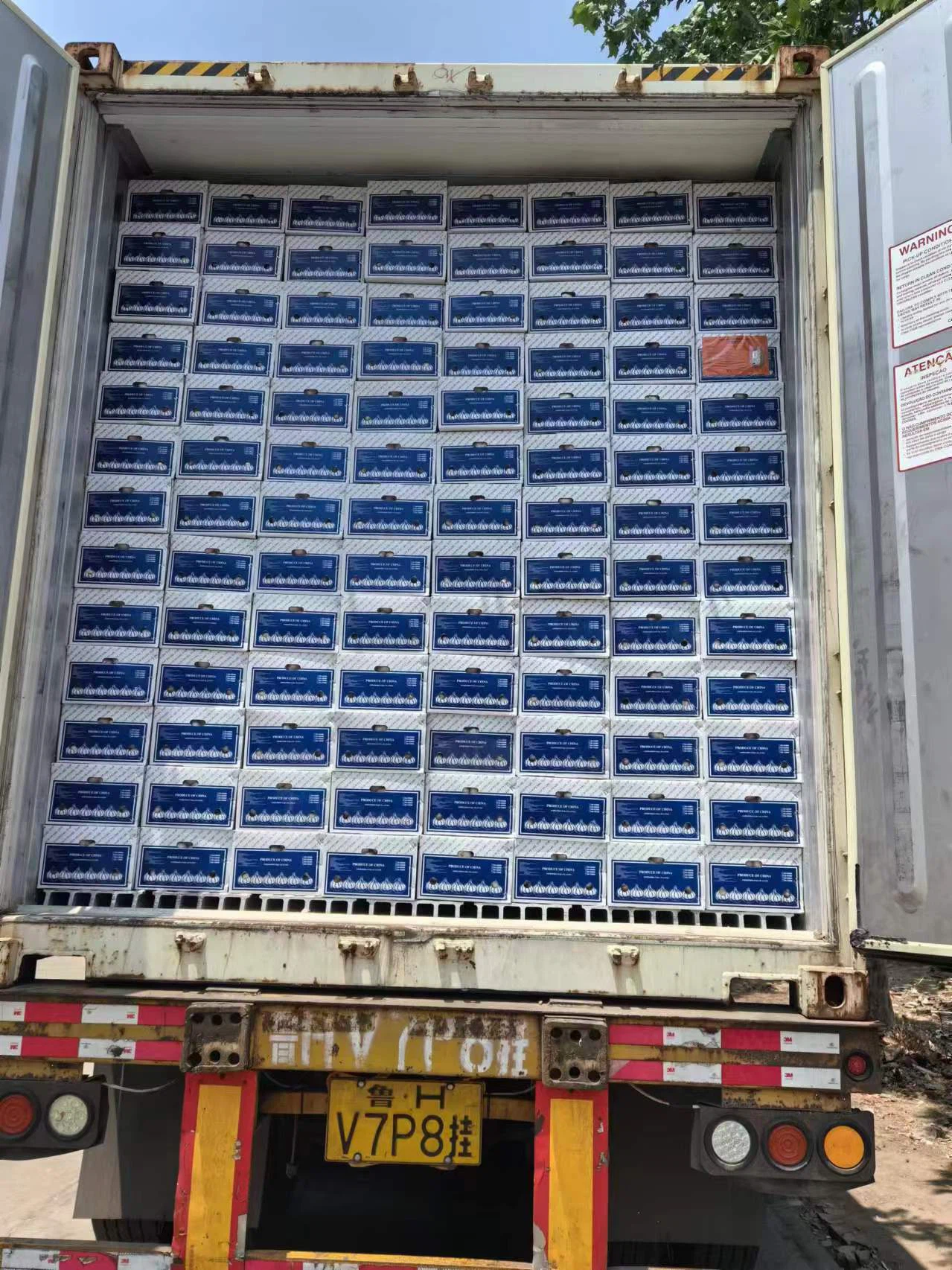
Transporting garlic is also a crucial aspect of our business. We follow strict protocols to ensure that the garlic reaches our customers in perfect condition. You can learn more about our Transporting Garlic methods on our website.
Sustainable Harvesting Practices
To address the concerns about the potential invasiveness of wild garlic and to ensure its long - term availability, sustainable harvesting practices are essential. At our company, we are committed to responsible sourcing.
We only harvest wild garlic from areas where it is abundant and where its removal will not cause significant ecological damage. We also follow local regulations and guidelines regarding the harvesting of wild plants. By doing so, we can provide our customers with high - quality fresh wild garlic while also protecting the environment.
The Future of Fresh Wild Garlic
The future of fresh wild garlic is both promising and challenging. On one hand, the growing demand for this unique ingredient presents opportunities for suppliers like me. On the other hand, we need to be vigilant about the potential ecological impacts of wild garlic, especially in non - native areas.
As consumers become more environmentally conscious, there is a growing interest in sustainable food sources. This provides an opportunity for us to educate our customers about the importance of responsible harvesting and the role they can play in protecting the environment.
Contact for Procurement
If you are interested in purchasing our fresh wild garlic products, we would love to hear from you. Whether you are a restaurant owner, a food distributor, or a home cook looking for high - quality ingredients, we can provide you with the best fresh wild garlic in the market. Please reach out to us to start a procurement discussion.
References
- "The Ecology of Allium ursinum" by Smith, J. (2018). Journal of Forest Ecology.
- "Invasive Plant Species in North America" by Johnson, R. (2019). Environmental Science Review.
- "Culinary Uses of Wild Garlic" by Brown, A. (2020). Gastronomy Today.