

Peeled garlic is a convenient and versatile ingredient that many home cooks and professional chefs rely on. As a peeled garlic supplier, I understand the importance of keeping our product in the best possible condition. One common issue that both suppliers like me and consumers face is the greening of peeled garlic. In this blog, I'll share some scientific insights and practical tips on how to prevent peeled garlic from turning green.
Understanding Why Peeled Garlic Turns Green
Before we dive into the prevention methods, it's crucial to understand why peeled garlic turns green in the first place. The greening process is mainly due to a chemical reaction between sulfur compounds and amino acids in garlic. When garlic is peeled or crushed, enzymes are released, which break down these sulfur - containing compounds. Under certain conditions, such as the presence of copper or iron ions and a slightly acidic environment, these broken - down compounds can react with amino acids to form colored pigments, resulting in the green or blue - green discoloration of the garlic.
Another factor that can contribute to the greening is the age of the garlic. Older garlic tends to have a higher likelihood of turning green because the chemical composition of the garlic changes over time. Additionally, the storage temperature and humidity can also play a role. Higher temperatures and humidity levels can accelerate the chemical reactions that lead to greening.
Storage Conditions
One of the most effective ways to prevent peeled garlic from turning green is to control the storage conditions.
Temperature
Garlic should be stored at a cool temperature. The ideal temperature for storing peeled garlic is between 0°C and 5°C. At this temperature range, the enzymatic activity in garlic slows down significantly, reducing the rate of the chemical reactions that cause greening. You can store peeled garlic in the refrigerator, preferably in the vegetable crisper where the temperature is more stable.
However, it's important to note that storing garlic at extremely low temperatures, such as in the freezer, can also cause problems. Freezing can damage the cell structure of the garlic, leading to a mushy texture when thawed. So, unless you plan to use the garlic in a cooked dish where the texture is not a major concern, freezing is not recommended for long - term storage to prevent greening.
Humidity
Low humidity is also essential for preventing garlic from turning green. High humidity can promote the growth of mold and bacteria on the garlic, and it can also speed up the chemical reactions that cause discoloration. To maintain low humidity, you can store peeled garlic in an air - tight container with a desiccant. Silica gel packets, which are commonly found in shoe boxes or electronic products, can be used as desiccants. Place a few silica gel packets in the container with the peeled garlic to absorb excess moisture.
Light
Light can also have an impact on the greening of peeled garlic. Exposure to light, especially sunlight, can accelerate the chemical reactions in garlic. Therefore, it's best to store peeled garlic in a dark place. If you're using a clear container to store the garlic, make sure to keep it in a cabinet or a pantry away from direct light.
Packaging
Proper packaging is another key factor in preventing peeled garlic from turning green.
Air - Tight Containers
Using air - tight containers is crucial for storing peeled garlic. Oxygen can react with the sulfur compounds in garlic, promoting the greening process. An air - tight container can minimize the exposure of garlic to oxygen, thus reducing the likelihood of greening. You can use plastic containers with tight - fitting lids or glass jars with rubber seals. Make sure to remove as much air as possible from the container before sealing it. You can do this by pressing down on the garlic gently or using a vacuum sealer if you have one.
Packaging Materials
Choose the right packaging materials. Materials that are resistant to moisture and oxygen are ideal. For example, polyethylene or polypropylene plastic containers are good choices because they have low oxygen permeability. If you're supplying peeled garlic in bulk, you can use multi - layer packaging materials that provide better protection against oxygen and moisture.

Chemical Additives
In the food industry, some chemical additives can be used to prevent peeled garlic from turning green.
Acidic Agents
Adding acidic agents can help prevent greening. Acids can change the pH of the garlic, making the environment less favorable for the chemical reactions that cause discoloration. For example, you can add a small amount of lemon juice or vinegar to the peeled garlic. However, this method should be used carefully because adding too much acid can change the taste of the garlic. Usually, a few drops of lemon juice or a teaspoon of vinegar per 100 grams of peeled garlic are sufficient.
Chelating Agents
Chelating agents can bind to metal ions, such as copper and iron, which are catalysts for the greening reactions. Citric acid and ethylenediaminetetraacetic acid (EDTA) are common chelating agents used in the food industry. They can be added at very low concentrations to the peeled garlic to prevent greening. However, it's important to comply with food safety regulations when using these additives.
Sourcing and Handling
As a peeled garlic supplier, the way we source and handle the garlic also affects its likelihood of turning green.
Freshness
We always strive to source fresh garlic. Fresh garlic has a lower tendency to turn green compared to older garlic. We work closely with farmers to ensure that we get the garlic at the right stage of maturity. Younger garlic bulbs are generally less likely to turn green, so we prefer to source garlic that has been harvested recently.
Processing
During the processing of peeled garlic, we take special care to minimize damage to the garlic cells. Excessive crushing or bruising of the garlic can release more enzymes, increasing the risk of greening. We use gentle peeling methods and modern equipment to ensure that the garlic remains intact as much as possible during processing.
Our Peeled Garlic Products
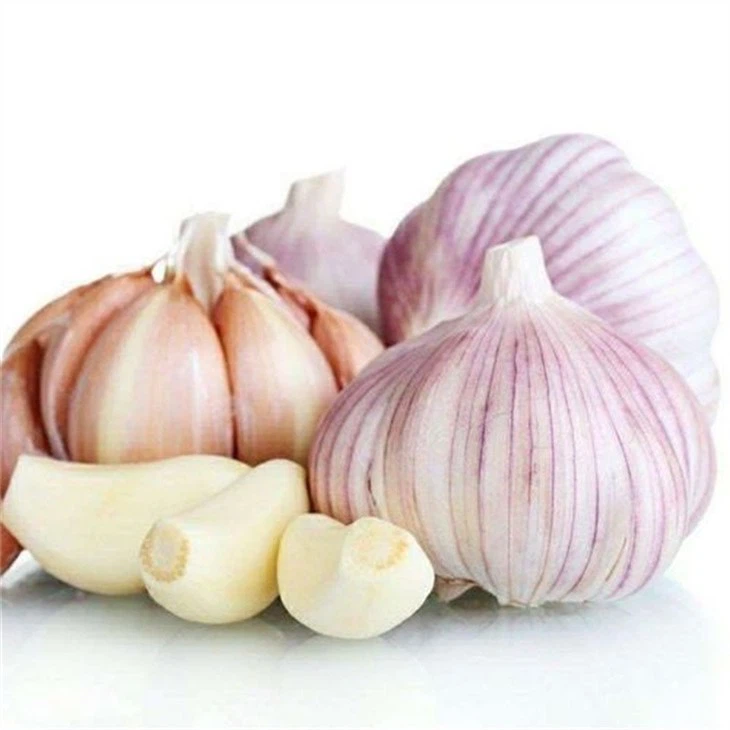
As a peeled garlic supplier, we offer high - quality products that are carefully processed to minimize the risk of greening. Our Fresh Peeled Garlic is sourced from the freshest garlic bulbs and processed using the latest technology to ensure its freshness and quality. The Garlic Whole Peeled is perfect for those who prefer whole cloves, and our Peeled Garlic 1kg is a convenient option for bulk purchases.
Conclusion and Purchase Invitation
Keeping peeled garlic from turning green requires a combination of proper storage, packaging, and handling. By following the tips mentioned in this blog, both consumers and suppliers can ensure that peeled garlic stays fresh and free from discoloration for a longer period.
If you're interested in purchasing our high - quality peeled garlic products, we welcome you to contact us for a detailed discussion. Whether you're a restaurant owner, a food manufacturer, or a home cook looking for large - scale garlic supplies, we can provide you with the best products and services.
References
- Harris, J. K., & Mann, J. D. (1996). The biochemistry of pigment formation in garlic cloves. Journal of Agricultural and Food Chemistry, 44(4), 854 - 858.
- Block, E. (1985). The chemistry of garlic and onions. Scientific American, 252(3), 114 - 123.
- Bianchini, F., & Vainio, H. (2001). Garlic and cancer prevention: an overview of the epidemiologic evidence. Nutrition and Cancer, 40(2), 104 - 108.