

Hey there, foodies and garlic lovers! I'm a supplier of fresh wild garlic, and I'm super stoked to chat with you about how it stacks up against regular garlic. You might be wondering, "What's the big deal? It's all garlic, right?" Well, not quite! Let's dive in and explore the differences between these two flavorful bulbs.
Appearance and Harvest
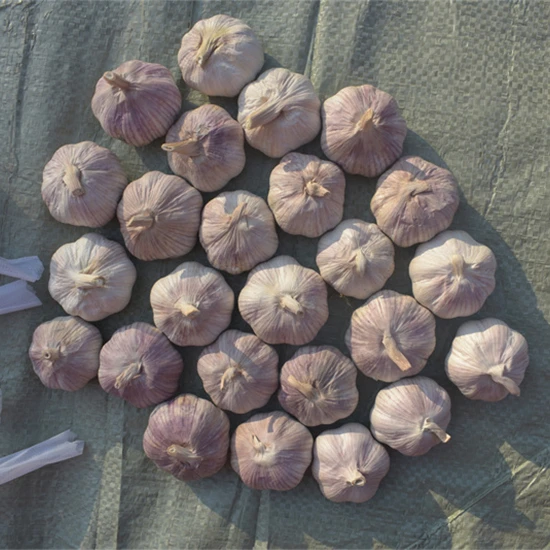
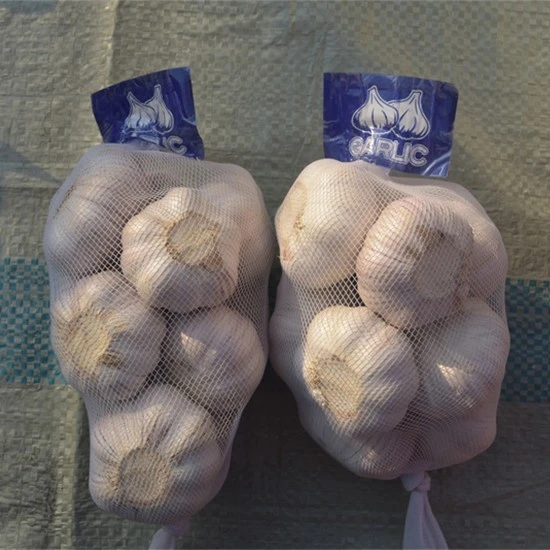
First off, let's talk about how they look. Regular garlic, the kind you're probably used to seeing in the grocery store, has those big, plump cloves wrapped in a papery skin. It comes in different varieties, like the Large Bags Of Garlic you can find for bulk cooking. Some are white-skinned, while others, like Purple-skinned Garlic and Purple Garlic, have a beautiful purple hue.
On the other hand, fresh wild garlic is a bit more delicate. It grows in the wild, usually in shady, moist areas like forests and riverbanks. Wild garlic has long, slender leaves that look a bit like chives. Instead of big cloves, it has small, bulbous roots. The leaves are the star of the show when it comes to wild garlic, and they're what you'll mostly use in cooking.
The harvest time is also different. Regular garlic is typically planted in the fall and harvested in the summer. It has a longer growing season, which allows the bulbs to develop fully. Wild garlic, on the other hand, is a springtime treat. It pops up in early spring, usually around March or April, and is only available for a few weeks. This limited availability makes it a bit of a special find.
Flavor Profile
Now, let's get to the good stuff: the taste! Regular garlic is known for its strong, pungent flavor. When you crush or chop it, it releases a powerful aroma that can really pack a punch. The flavor can be quite intense, especially when it's raw. Cooking regular garlic mellows out the flavor a bit, making it more savory and sweet.
Fresh wild garlic, on the other hand, has a much milder and more delicate flavor. It still has that characteristic garlicky taste, but it's not as overpowering. The flavor is more herbaceous, with a hint of onion and a touch of sweetness. It's like a lighter, fresher version of regular garlic.
Because of its milder flavor, wild garlic is great for adding a subtle garlic taste to dishes without overwhelming them. You can use it in salads, soups, sauces, and even in desserts! It's also a popular ingredient in pesto, where it adds a unique twist to the classic recipe.
Nutritional Value
Both regular garlic and fresh wild garlic are packed with nutrients. Garlic is known for its health benefits, and both varieties are no exception. They're rich in vitamins C and B6, as well as manganese and selenium. Garlic also contains antioxidants and sulfur compounds, which have been shown to have anti-inflammatory and antibacterial properties.
However, wild garlic may have a slight edge when it comes to nutrition. Because it grows in the wild, it's exposed to a wider range of nutrients in the soil. It's also less likely to be treated with pesticides and other chemicals, which means it's a more natural and healthy option.
Wild garlic is also a good source of vitamin A, which is important for eye health, and vitamin K, which is essential for bone health. It's also rich in folate, which is important for pregnant women and for maintaining a healthy nervous system.
Culinary Uses
When it comes to cooking, both regular garlic and fresh wild garlic have their place in the kitchen. Regular garlic is a staple ingredient in many cuisines around the world. It's used in everything from Italian pasta sauces to Indian curries. You can use it raw in salads and dressings, or cook it in stir-fries, soups, and stews.
Fresh wild garlic, on the other hand, is a bit more versatile. Because of its milder flavor, it can be used in a wider range of dishes. You can use the leaves raw in salads, sandwiches, and wraps, or cook them in omelets, quiches, and frittatas. The bulbs can also be used, but they're usually smaller and more delicate than regular garlic cloves.
One of my favorite ways to use wild garlic is to make a wild garlic pesto. Simply blend the leaves with olive oil, pine nuts, Parmesan cheese, and a little lemon juice. It's a delicious and healthy alternative to traditional pesto, and it's perfect for spreading on toast, tossing with pasta, or using as a dip.
Availability and Price
As I mentioned earlier, fresh wild garlic is only available for a few weeks in the spring. This limited availability makes it a bit more expensive than regular garlic. It's also harder to find, as it's not usually sold in grocery stores. You can sometimes find it at farmers' markets or specialty food stores, but you might have to do a bit of searching.
Regular garlic, on the other hand, is available year-round and is much more affordable. It's easy to find in grocery stores and supermarkets, and it comes in a variety of sizes and varieties.
Conclusion
So, how does fresh wild garlic compare to regular garlic? Well, it really depends on your personal taste and what you're looking for in a garlic. If you like a strong, pungent flavor and want a garlic that can stand up to bold spices and flavors, then regular garlic is the way to go. But if you prefer a milder, more delicate flavor and want a garlic that can add a subtle touch to your dishes, then fresh wild garlic is the perfect choice.
As a supplier of fresh wild garlic, I'm passionate about sharing this unique and delicious ingredient with others. If you're interested in trying fresh wild garlic for yourself, I'd love to hear from you. Whether you're a home cook, a chef, or a food lover, I can provide you with the freshest and highest quality wild garlic available.
So, what are you waiting for? Contact me today to learn more about our fresh wild garlic and to place your order. Let's start cooking with wild garlic and discover a whole new world of flavor!
References
- "The Complete Book of Herbs and Spices" by Jill Norman
- "Garlic: The Wonderful World of the World's Most Popular Flavor" by Ted Jordan Meredith
- "Wild Food: A Complete Guide to Foraging" by John Wright