

Hey there, fellow foodies! As a supplier of skinless garlic, I've been getting a lot of questions lately about whether skinless garlic has a shorter cooking time. Well, I'm here to dig deep into this topic and share some insights with you.

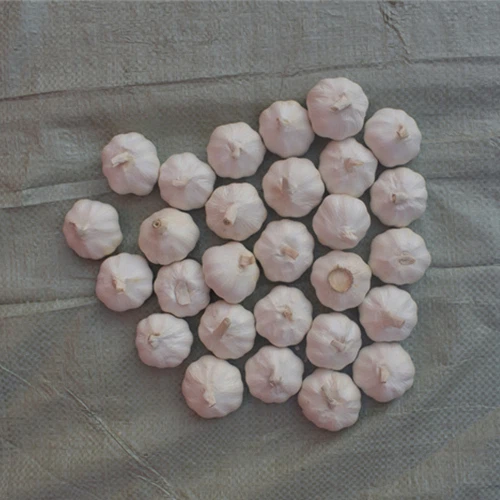
First off, let's talk about why people might think skinless garlic cooks faster. The obvious reason is that the skin is removed. The garlic skin acts as a bit of a barrier, kind of like a protective coat. When you cook garlic with the skin on, the heat has to penetrate through that layer before it can start working its magic on the garlic itself. With skinless garlic, there's no such barrier, so the heat can directly reach the cloves.
Now, let's get into the science of it. Garlic is made up of various components, and when you cook it, these components undergo changes. One of the key things that happens is the breakdown of certain enzymes and the release of flavors. The heat causes the starches in the garlic to gelatinize and the cell walls to break down.
When garlic has its skin on, this process takes a bit longer. The skin slows down the transfer of heat to the inside of the clove. It's like trying to warm up a person who's wearing a thick winter coat - it takes longer for the heat to reach their body compared to someone who's just in a t - shirt.
In practical cooking terms, if you're sautéing garlic, skinless garlic will start to turn golden brown and become fragrant much quicker. For example, let's say you're making a simple garlic pasta. If you use whole, unpeeled garlic cloves, you might have to cook them in the hot oil for 3 - 4 minutes before they start to release that lovely garlicky aroma. But if you use skinless garlic, you'll notice the smell wafting through the kitchen in just 1 - 2 minutes.
Roasting is another cooking method where the difference is quite noticeable. When roasting whole garlic bulbs, it can take up to 40 - 50 minutes in a 375°F (190°C) oven for the cloves to become soft and buttery. However, if you roast skinless garlic cloves, they'll be ready in about 20 - 25 minutes. This is a huge time - saver, especially when you're in a hurry to get a meal on the table.
But it's not just about speed. Skinless garlic also offers other benefits in the kitchen. It's easier to chop, mince, or crush. You don't have to worry about the skin getting in the way of your knife or your garlic press. This means you can prep your ingredients faster and get cooking right away.
Now, I know what you're thinking - if skinless garlic is so great, why doesn't everyone use it all the time? Well, one reason could be the cost. Peeling garlic is a labor - intensive process, and that extra work is reflected in the price. But as a supplier, I'm able to offer high - quality Skinless Garlic at a competitive rate.
Another concern might be the freshness. Some people worry that peeled garlic won't stay fresh as long as whole garlic. While it's true that skinless garlic has a shorter shelf life compared to unpeeled garlic, if stored properly in the refrigerator, it can last for up to a week. And let's face it, if you're using garlic regularly in your cooking, a week is usually more than enough time to use it up.
If you're a professional chef or a home cook who loves experimenting in the kitchen, Fresh Garlic Peeled can be a game - changer. It allows you to be more efficient in the kitchen, and you can enjoy the intense garlic flavor without having to spend time peeling cloves. And for those big - batch cooking days, Peeled Garlic 1kg packs are a great option.
So, does skinless garlic have a shorter cooking time? The answer is a resounding yes! It's faster to cook, easier to prepare, and still retains all the amazing flavor that garlic is known for.
If you're interested in purchasing our skinless garlic products, whether it's for your restaurant, catering business, or just for your home kitchen, I'd love to hear from you. We can discuss your specific needs, quantities, and pricing. Let's work together to make your cooking even more delicious and efficient.
References
- McGee, Harold. "On Food and Cooking: The Science and Lore of the Kitchen." Scribner, 2004.
- "Garlic: A Global History." Andrew F. Smith, Reaktion Books, 2004.