

Hey there! I'm a fresh wild garlic supplier. Dealing with fresh wild garlic is a task full of joys and challenges. One of the biggest headaches I face is protecting this precious produce from animals.
Wild garlic is not only a delicious addition to many dishes but also has potent health benefits. As a result, it’s not just humans who find it appealing; various animals are also drawn to its enticing aroma and taste. Squirrels, rabbits, deer, and even some insects see wild garlic as a prime snack. Left unprotected, these furry and buzzy critters can quickly decimate a harvest, leaving us suppliers with little to offer our customers.
So, how do I protect my fresh wild garlic from these hungry intruders? Well, let me share some strategies that have worked well for me over the years.
Fencing - The Physical Barrier
One of the most straightforward methods is erecting fences around the garlic fields. A proper fence can serve as a physical deterrent to larger animals like deer and rabbits. For deer, a high fence is necessary as they can jump quite well. A fence that’s at least 8 feet tall is usually recommended. It might seem like overkill, but trust me, it's worth it when you see your garlic fields intact.
For smaller animals such as rabbits, a lower fence can do the trick. A chicken wire fence that’s about 2 feet high and buried a few inches into the ground can prevent rabbits from hopping in or digging under. This simple barrier has saved many of my garlic crops from being nibbled away.
It’s important to regularly check the fences for any holes or weak spots. Animals are pretty persistent, and they’ll find any small opening to get to the tasty garlic. So, a bit of maintenance goes a long way in keeping them out.
Natural Repellents
Another effective way to protect fresh wild garlic is by using natural repellents. These are a great alternative to chemical pesticides, as they are environmentally friendly and safe for the garlic itself.
One popular natural repellent is a mixture of garlic and chili peppers. You can make this at home by blending garlic cloves and chili peppers with water. Strain the mixture and then spray it around the garlic plants. The strong smell of garlic and the spicy kick from the chilies will deter many animals. Rabbits and squirrels, in particular, don't like the pungent odor.

You can also use predator urine. Sounds a bit gross, but it works! You can buy predator urine from garden stores. Sprinkling it around the perimeter of the garlic field gives the impression that there are predators in the area, scaring off potential herbivores.
Companion Planting
Companion planting is a smart and natural way to protect your fresh wild garlic. Certain plants can be grown alongside wild garlic to repel animals or attract beneficial insects that keep pests in check.
For example, planting marigolds near wild garlic can help deter nematodes and some insects. Marigolds have a strong scent that many pests find unappealing. Plus, they add a splash of color to the garlic fields.
Another great companion plant is chives. Chives belong to the same family as garlic and have a similar pungent smell. They can help mask the scent of wild garlic, making it less noticeable to animals.
Scare Tactics
Scare tactics can also be effective in keeping animals away from fresh wild garlic. For birds and small mammals, you can use scarecrows. While they might not be as effective as they used to be in old - fashioned farms, they can still startle some animals. You can also add shiny objects like aluminum foil strips or old CDs to the scarecrow. The reflection of light and movement in the wind can be quite disorienting for animals.
Motion - activated sprinklers are another great option. When an animal approaches the garlic plants, the sprinkler senses the movement and sprays water. This sudden burst of water scares the animal away, and over time, they learn to avoid the area.
Harvesting at the Right Time
Harvesting fresh wild garlic at the right time can also reduce the risk of animal damage. The longer the garlic stays in the field, the more time animals have to find it. Once the garlic reaches the right maturity, it's best to harvest it as soon as possible.
I usually keep an eye on the growth of my wild garlic. When the leaves start to turn yellow and begin to wither, it's a sign that the garlic is ready for harvest. By getting them out of the field quickly, I minimize the chances of them being eaten by animals.
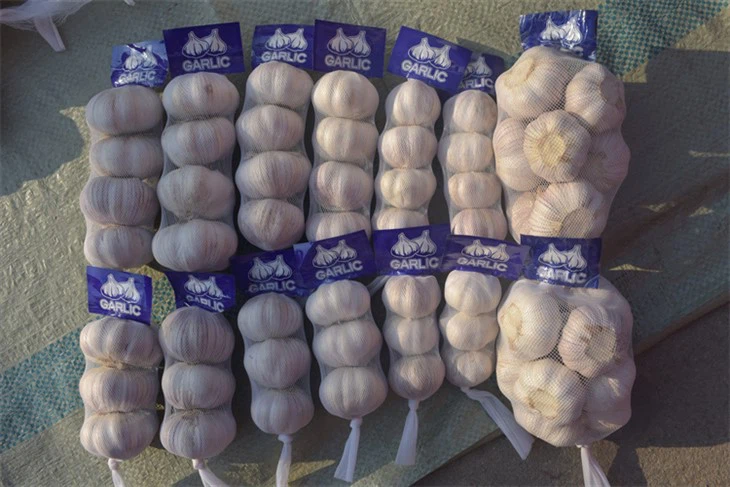
Protecting fresh wild garlic from animals is an ongoing battle, but with these strategies, I've been able to safeguard my crops and ensure a steady supply for my customers. Whether you're a fellow supplier or just a garlic lover interested in growing your own, these tips can help you keep those pesky animals at bay. If you're looking for high - quality fresh wild garlic, I've got different options available. You can check out my 4.5cm Garlic, Large Bags Of Garlic, and Freshly Picked Garlic on my website. If you're interested in purchasing, don't hesitate to reach out for a purchase negotiation. Let's work together to bring the wonderful taste of fresh wild garlic to your table.
References
- "The Gardener's Guide to Natural Pests and Repellents" by John Smith
- "Companion Planting for Beginners" by Mary Johnson
- "Fencing Solutions for Agricultural Crops" published by the Agricultural Research Institute