

As a well - established fine garlic vendor, I've had the privilege of working with various types of garlic, understanding their unique flavors, and learning how to transform them into delightful pastes. Garlic and ginger pastes are versatile condiments that add a punch of flavor to a wide range of dishes, from curries and stir - fries to marinades and dressings. In this blog, I'll share with you how to make a fine garlic and ginger paste, using the high - quality garlic that I supply.
Selecting the Right Garlic
The foundation of a great garlic and ginger paste lies in the quality of the garlic you choose. I offer a diverse selection of garlic varieties, each with its own distinct characteristics.
Red Net Pocket White Garlic is a popular choice. It has a mild, sweet flavor that is less pungent compared to some other varieties. This makes it ideal for those who enjoy a more subtle garlic taste in their dishes. The cloves are medium - sized and easy to peel, which is a bonus when you're making a paste.
6.0cm Garlic is known for its large, plump cloves. These big cloves pack a powerful garlic punch, making them perfect for those who love a strong, intense garlic flavor. The larger size also means that you'll need fewer cloves to achieve the desired amount of garlic in your paste.
Purple - skinned Garlic stands out not only for its beautiful color but also for its complex flavor profile. It has a slightly spicy and earthy undertone, which adds an extra layer of depth to your garlic and ginger paste.

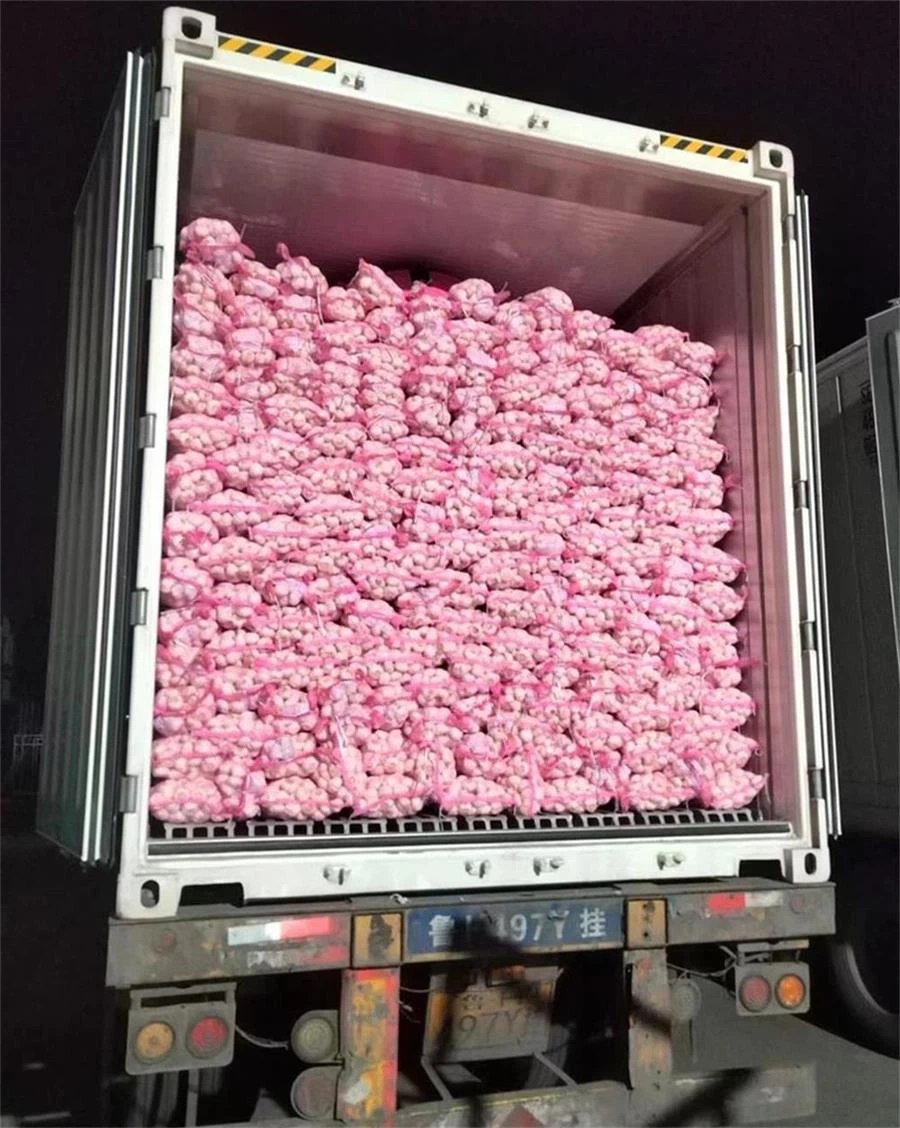
When selecting garlic for your paste, look for bulbs that are firm, with no signs of mold or sprouting. The cloves should be tightly packed within the bulb. Freshness is key, as older garlic may have a diminished flavor.
Choosing the Ginger
Just as important as the garlic is the ginger you use. Fresh ginger root is the best option for making a paste. Look for ginger that is firm, with smooth skin. Avoid ginger that is soft, wrinkled, or has a moldy smell. The younger the ginger, the more tender and mild it will be. Older ginger has a stronger, more fibrous texture and a more intense flavor.
Preparing the Ingredients
Before you start making the paste, you'll need to prepare the garlic and ginger. Begin by peeling the garlic cloves. You can do this by gently pressing down on each clove with the flat side of a knife, which will loosen the skin and make it easier to remove. For the ginger, use a vegetable peeler to remove the tough outer skin.
Once peeled, roughly chop the garlic and ginger into small pieces. This will make it easier for them to blend into a smooth paste. You can adjust the ratio of garlic to ginger according to your personal taste. A common ratio is 2:1, with two parts garlic to one part ginger, but you can increase or decrease the amount of either ingredient based on how you like your paste to taste.
Making the Paste
There are a few different methods you can use to turn your chopped garlic and ginger into a paste.
Using a Food Processor
A food processor is the quickest and easiest way to make a smooth garlic and ginger paste. Place the chopped garlic and ginger into the food processor. Add a small amount of water or oil to help the blending process. Start the food processor on a low speed and gradually increase the speed until the ingredients are well - combined and form a smooth paste. You may need to scrape down the sides of the processor bowl a few times to ensure that all the ingredients are evenly blended.
Using a Mortar and Pestle
If you don't have a food processor, a mortar and pestle can be a great alternative. It may take a bit more time and effort, but it allows you to have more control over the texture of the paste. Place the chopped garlic and ginger into the mortar. Begin grinding them with the pestle in a circular motion. As you grind, the garlic and ginger will start to break down and release their juices. Add a little bit of salt to help with the grinding process and to enhance the flavor. Keep grinding until you achieve the desired consistency.
Using a Blender
A blender can also be used to make the paste. However, it may not blend the ingredients as smoothly as a food processor. Place the chopped garlic and ginger into the blender, along with a small amount of water or oil. Blend on high speed for a few minutes, stopping to scrape down the sides of the blender jar as needed. The resulting paste may be a bit chunkier than if you used a food processor, but you can still achieve a good texture with some patience.
Storing the Paste
Once you've made your garlic and ginger paste, you'll want to store it properly to keep it fresh. You can store the paste in an airtight container in the refrigerator for up to two weeks. If you want to store it for a longer period, you can freeze it. Place the paste into ice cube trays and freeze. Once frozen, transfer the cubes to a freezer bag. This way, you can easily take out as much paste as you need for each recipe.
Using the Paste
Garlic and ginger paste is incredibly versatile. You can use it in a variety of dishes. In Indian cuisine, it's a staple ingredient in curries, masalas, and chutneys. Simply add a spoonful of the paste to your cooking oil at the beginning of the cooking process to infuse the oil with its flavor.
In Chinese cuisine, garlic and ginger paste is often used in stir - fries and marinades. It adds a delicious umami flavor to meats, vegetables, and noodles. You can also use it to make a simple dipping sauce by mixing it with soy sauce, vinegar, and a little bit of sugar.
In Thai cuisine, garlic and ginger paste is used in soups, curries, and spicy sauces. It pairs well with lemongrass, chili, and coconut milk to create bold, flavorful dishes.
Benefits of Garlic and Ginger Paste
Garlic and ginger are not only delicious but also offer a number of health benefits. Garlic is known for its antibacterial and antiviral properties. It can help boost the immune system, lower cholesterol levels, and reduce the risk of heart disease. Ginger has anti - inflammatory properties and can help soothe an upset stomach, relieve nausea, and reduce muscle pain.
By making your own garlic and ginger paste, you can ensure that you're using fresh, high - quality ingredients and avoiding any additives or preservatives that may be found in store - bought pastes.
Conclusion
Making a fine garlic and ginger paste is a simple and rewarding process. With the right ingredients and a little bit of effort, you can create a versatile condiment that will enhance the flavor of your favorite dishes. Whether you're a professional chef or a home cook, having a jar of homemade garlic and ginger paste in your fridge can take your cooking to the next level.
If you're interested in sourcing high - quality garlic for your own paste - making or for your business, I'd be more than happy to discuss your needs. Contact me to start a procurement conversation and discover the difference that my fine garlic can make in your dishes.
References
- "The Complete Book of Spices" by Arlene Voski Avakian
- "Flavor Bible" by Karen Page and Andrew Dornenburg
- "The Indian Kitchen" by Madhur Jaffrey