

Garlic is a staple ingredient in kitchens around the world, celebrated for its robust flavor and numerous health benefits. However, it has long been associated with a less - than - pleasant side effect: bad breath. As a garlic supplier, I've encountered this concern time and time again from customers. So, let's delve into the science behind this common belief and explore whether garlic truly causes bad breath.
The Science of Garlic and Bad Breath
When we consume garlic, the sulfur - containing compounds present in it are the primary culprits behind the potential for bad breath. Garlic contains alliin, an odorless sulfur compound. Once garlic is crushed, chopped, or chewed, an enzyme called alliinase is released, which converts alliin into allicin. Allicin is a highly reactive and unstable compound that breaks down into a variety of volatile sulfur compounds (VSCs), such as allyl methyl sulfide, diallyl sulfide, and diallyl disulfide.
These VSCs are what give garlic its characteristic pungent smell. After ingestion, they are absorbed into the bloodstream through the digestive system. From there, they are transported to the lungs and exhaled, leading to the well - known "garlic breath." This process can occur quickly, often within minutes of consuming garlic, and the effects can last for hours or even days, depending on the amount of garlic consumed and individual metabolism.
Factors Influencing Garlic - Induced Bad Breath
The intensity of garlic - related bad breath can vary significantly from person to person. Several factors contribute to these differences:
- Amount of Garlic Consumed: It stands to reason that the more garlic you eat, the stronger the potential for bad breath. A small clove of garlic may cause a mild odor, while a large quantity used in a garlic - heavy dish can result in a much more noticeable and persistent smell.
- Method of Preparation: How garlic is prepared can also affect bad breath. Raw garlic contains higher levels of alliinase, which means more allicin is produced, leading to a stronger odor. Cooking garlic can reduce the activity of alliinase, resulting in fewer VSCs and potentially less intense bad breath. However, even cooked garlic can still cause some degree of odor.
- Individual Metabolism: Everyone's body processes food differently. Some people may have a more efficient metabolism that breaks down and eliminates the VSCs more quickly, while others may take longer. Genetics can play a role in this, as can overall health and diet. For example, individuals with a diet rich in fiber may experience less severe bad breath from garlic, as fiber can help move the garlic through the digestive system more rapidly.
Debunking the Myths
While it's widely accepted that garlic can cause bad breath, there are some common myths that need to be addressed. One such myth is that brushing your teeth immediately after eating garlic will completely eliminate the odor. While brushing can help remove some of the garlic particles from your teeth and gums, it won't do much to combat the VSCs that have already been absorbed into your bloodstream and are being exhaled from your lungs.
Another myth is that certain foods can completely neutralize garlic breath. While some foods like parsley, mint, and lemon have been touted as remedies, they can only mask the odor to a certain extent. They may provide a temporary freshening effect, but they won't eliminate the underlying cause of the bad breath.
The Positive Side of Garlic
Despite the potential for bad breath, garlic offers a plethora of health benefits that make it well worth including in your diet. Garlic has been shown to have antibacterial, antiviral, and antifungal properties. It can help lower cholesterol levels, reduce blood pressure, and boost the immune system. Additionally, some studies suggest that garlic may have cancer - fighting properties, particularly in relation to certain types of cancers such as stomach and colorectal cancer.
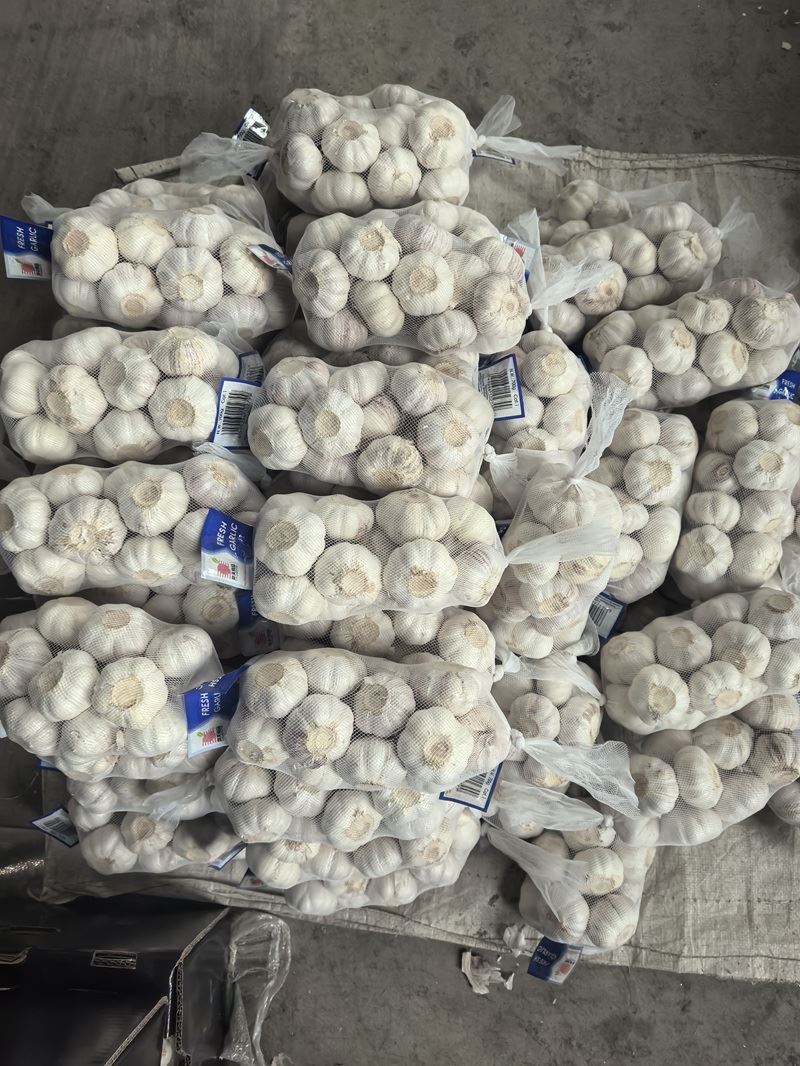
As a garlic supplier, I'm proud to offer high - quality garlic products that can enhance the flavor of your meals while providing these health benefits. For those interested in our garlic offerings, we have a range of options available. You can check out our Garlic For Africa, which is sourced from the best regions and is known for its rich flavor. Our Packaged Purple - skinned Garlic is not only visually appealing but also has a unique taste profile. And if you're looking for a large - quantity option, our Garlic in Big Net Bag is a great choice.

Coping with Garlic Breath
If you're concerned about bad breath after consuming garlic, there are some strategies you can employ. Drinking plenty of water can help flush out the VSCs from your system. Chewing sugar - free gum or sucking on sugar - free mints can also help mask the odor. Additionally, using a tongue scraper can remove bacteria and garlic particles from the surface of your tongue, which can contribute to bad breath.
Conclusion
In conclusion, while garlic can indeed cause bad breath due to the volatile sulfur compounds it contains, the extent of the problem varies from person to person. The benefits of garlic, both in terms of flavor and health, far outweigh the temporary inconvenience of bad breath. As a garlic supplier, I encourage you to embrace the wonderful world of garlic and experiment with different recipes.
If you're interested in purchasing our high - quality garlic products for your home, restaurant, or business, we'd love to hear from you. Whether you're a chef looking to add a unique flavor to your dishes or a health - conscious consumer wanting to reap the benefits of garlic, we have the right product for you. Contact us to start a procurement discussion and discover the difference our garlic can make.
References
- Block, E. (1985). The chemistry of garlic and onions. Scientific American, 252(3), 114 - 123.
- Ried, K., & Fakler, P. (2014). Garlic for the prevention of cardiovascular disease: a systematic review and meta - analysis. Preventive Medicine, 61, 34 - 40.
- Lawson, L. D., & Wang, Z. Y. (1993). Composition of volatile flavor and sulfur compounds in garlic (Allium sativum L.). Journal of Agricultural and Food Chemistry, 41(4), 658 - 663.