

As a supplier of fresh wild garlic, I often get asked whether it's possible to grow this flavorful and nutritious herb at home. The answer is a resounding yes! In this blog post, I'll share some insights on growing fresh wild garlic in your own garden or even indoors, as well as the benefits of doing so.
Understanding Wild Garlic
Wild garlic, also known as ramsons (Allium ursinum), is a perennial plant that belongs to the onion family. It is native to Europe and Asia and is commonly found in damp woodlands and meadows. Wild garlic has long, lance - shaped leaves and white star - shaped flowers. Its leaves have a distinct garlicky flavor, which is milder than that of cultivated garlic, making it a popular ingredient in various culinary dishes.
Benefits of Growing Wild Garlic at Home
1. Freshness and Flavor
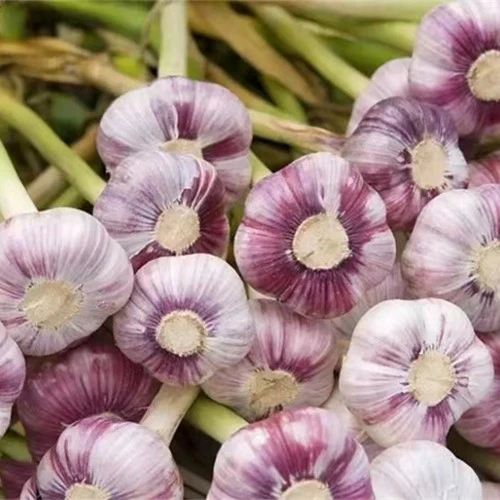
When you grow wild garlic at home, you can harvest it at its peak freshness. Freshly picked wild garlic has a more intense and vibrant flavor compared to store - bought ones that may have been sitting on the shelves for days. You can use it immediately in your cooking, whether it's in salads, soups, pestos, or as a garnish. Freshly Picked Garlic is always the best choice for enhancing the taste of your dishes.
2. Cost - Effective
Buying fresh wild garlic from the market can be expensive, especially if it's out of season. By growing your own, you can save money in the long run. Once you have established a wild garlic patch, it will continue to grow and produce leaves year after year with minimal investment.
3. Health Benefits
Wild garlic is not only delicious but also packed with nutrients. It contains vitamins A and C, as well as minerals like calcium and iron. It has antibacterial and antifungal properties, and it may help to lower blood pressure and cholesterol levels. Having a ready supply of fresh wild garlic at home means you can easily incorporate it into your diet for better health.
4. Environmental Impact
Growing your own wild garlic reduces the carbon footprint associated with transporting and packaging commercially - grown produce. You can also avoid the use of pesticides and fertilizers that are often used in large - scale farming, making it a more environmentally friendly option.
How to Grow Wild Garlic at Home
Outdoor Growing
1. Location
Wild garlic thrives in shady and moist areas, similar to its natural habitat in woodlands. Choose a spot in your garden that gets partial to full shade, such as under a tree or along a north - facing wall. The soil should be rich, well - drained, and slightly acidic.
2. Planting
You can start wild garlic from bulbs or seeds. If using bulbs, plant them in the fall, about 2 - 3 inches deep and 4 - 6 inches apart. If you're using seeds, sow them in the spring or fall. Scatter the seeds on the soil surface and lightly cover them with a thin layer of soil. Water the area thoroughly after planting.
3. Care
Keep the soil consistently moist but not waterlogged. Mulching around the plants can help to retain moisture and suppress weeds. In the spring, wild garlic will start to sprout, and you can start harvesting the leaves when they are about 4 - 6 inches long. Be careful not to over - harvest; leave some leaves on the plant so it can continue to grow and produce.
Indoor Growing
1. Containers
If you don't have a garden or live in an apartment, you can still grow wild garlic indoors. Choose a container that is at least 6 inches deep and has drainage holes. Fill the container with a good quality potting mix.
2. Planting
Plant the bulbs or sow the seeds in the container as you would outdoors. Place the container in a cool, shady spot, such as a north - facing window. You can also use artificial grow lights if natural light is limited.
3. Care
Water the wild garlic regularly to keep the soil moist. Indoor air can be dry, so you may need to mist the leaves occasionally. You can start harvesting the leaves once they are large enough, usually within a few weeks of planting.
Harvesting and Using Wild Garlic
Harvesting
When harvesting wild garlic, use a sharp pair of scissors or pruning shears to cut the leaves close to the base. You can harvest the leaves throughout the growing season, but it's best to stop harvesting in late spring to allow the plant to flower and set seed.
Using Wild Garlic in Cooking
Wild garlic is a versatile ingredient in the kitchen. You can use the leaves raw in salads for a fresh and zesty flavor. They can also be cooked in soups, stir - fries, and omelets. One of the most popular ways to use wild garlic is to make pesto. Simply blend the leaves with olive oil, pine nuts, Parmesan cheese, and a little garlic (yes, more garlic!) to create a delicious and aromatic pesto that can be used on pasta, bread, or as a dip. Fine Garlic can be used in combination with wild garlic to enhance the flavor of your dishes.
Potential Challenges
Pests and Diseases
Wild garlic is generally a hardy plant, but it can be susceptible to some pests and diseases. Slugs and snails may be attracted to the tender leaves, so you may need to use organic slug pellets or create barriers to protect the plants. Fungal diseases can occur if the soil is too wet, so make sure the soil has good drainage.
Identification
It's important to be able to correctly identify wild garlic, as there are some poisonous plants that look similar. Wild garlic has a distinct garlic smell when you crush the leaves, which is a good way to confirm its identity. If you're unsure, it's best to consult a local expert or a field guide.
Conclusion
Growing fresh wild garlic at home is a rewarding experience. It allows you to enjoy the fresh flavor and health benefits of this wonderful herb while also being cost - effective and environmentally friendly. Whether you have a large garden or a small balcony, you can successfully grow wild garlic with a little bit of knowledge and care.
If you're interested in purchasing high - quality fresh wild garlic for your business or personal use, feel free to contact us for more information and to discuss potential procurement opportunities. We are committed to providing the best Fresh Raw Garlic products to meet your needs.
References
- "The Complete Book of Herbs" by Lesley Bremness
- "Gardening for Beginners: Herbs" by John Doe
- Various botanical research papers on Allium ursinum