

Bagged garlic has become a staple in many kitchens around the world, offering convenience and a longer shelf - life compared to loose garlic bulbs. As a bagged garlic supplier, I often get asked a variety of questions about the uses of our product. One question that has piqued my interest lately is whether bagged garlic can be used in baking. In this blog post, we'll explore the feasibility, benefits, and techniques of using bagged garlic in baking.

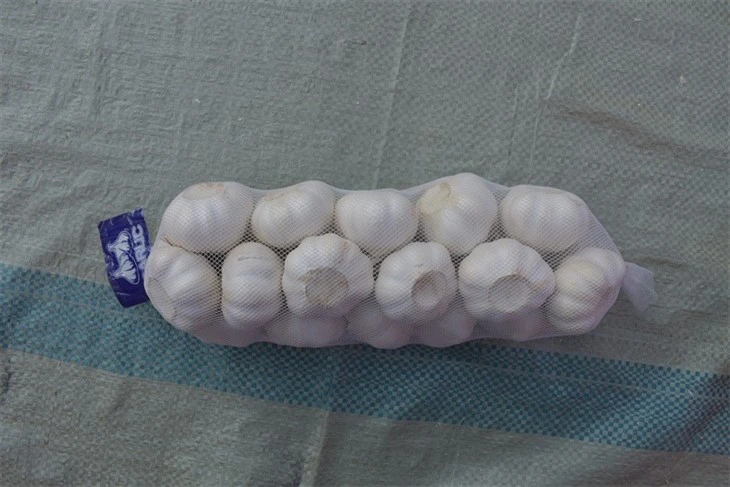
The Nature of Bagged Garlic
Before delving into its baking applications, it's important to understand what bagged garlic is. Our bagged garlic comes in different varieties, such as the 4.5cm Garlic, Small Bag Of Garlic, and White Garlic. These are carefully selected and packed to ensure freshness and quality. The garlic is usually cleaned, and in some cases, peeled, making it ready - to - use right out of the bag.
Why Use Bagged Garlic in Baking?
- Convenience: As a busy baker, you don't always have the time to peel and chop individual garlic cloves. Bagged garlic saves you that precious time, allowing you to focus on the creative aspects of baking. You can simply open the bag and add the garlic to your recipe.
- Consistency: Bagged garlic provides a more consistent flavor profile. Since the garlic is pre - selected and processed, you can expect the same level of pungency and aroma in every batch, ensuring that your baked goods taste the same every time you make them.
- Longer Shelf - Life: Unlike fresh, loose garlic bulbs that may start to sprout or go bad after a short period, bagged garlic has a longer shelf - life. This means you can keep it on hand for those impromptu baking sessions without worrying about spoilage.
Types of Baked Goods Suitable for Bagged Garlic
- Breads: Garlic bread is a classic example of using garlic in baking. You can add minced bagged garlic to the dough during the kneading process for a subtle garlic flavor throughout the bread. Or, you can make a garlic butter spread using bagged garlic, butter, and some herbs, and brush it on top of the bread before or after baking. The heat of the oven will mellow the garlic's sharpness, creating a rich, savory flavor.
- Crackers: Bagged garlic can be incorporated into cracker recipes. You can mix it with flour, water, and other seasonings to create a savory cracker. The garlic flavor will be more pronounced in crackers due to their thin and crispy nature.
- Quiches and Savory Tarts: Add bagged garlic to the filling of quiches and savory tarts. The garlic will enhance the overall flavor of the egg - based filling and pair well with ingredients like cheese, spinach, and bacon.
Techniques for Using Bagged Garlic in Baking
- Roasting: Roasting bagged garlic before adding it to your baked goods can mellow its flavor. Preheat your oven to 400°F (200°C). Place the bagged garlic cloves on a baking sheet, drizzle with a little olive oil, and sprinkle with salt and pepper. Roast for about 20 - 25 minutes until the garlic is soft and golden brown. Roasted garlic has a sweeter, more mellow flavor compared to raw garlic.
- Mincing: If you want a more intense garlic flavor, mince the bagged garlic finely. You can use a sharp knife or a garlic press. Finely minced garlic will disperse more evenly in your dough or filling, ensuring that every bite has a hint of garlic.
- Infusing: You can infuse bagged garlic in oil or butter. Heat some oil or butter in a small saucepan over low heat. Add the bagged garlic cloves and let them simmer gently for about 5 - 10 minutes. Remove the pan from the heat and let the garlic infuse the oil or butter for a few more hours. Use this infused oil or butter in your baking for a concentrated garlic flavor.
Potential Challenges and How to Overcome Them
- Over - powering Flavor: Garlic can be quite pungent, and if you use too much, it can overpower the other flavors in your baked goods. To avoid this, start with a small amount of bagged garlic and gradually increase the quantity according to your taste preferences. You can also balance the garlic flavor with other ingredients like cheese, herbs, or sweet vegetables.
- Texture Issues: If you add too much raw garlic to your dough, it can make the dough sticky and difficult to work with. To prevent this, consider using roasted or sautéed bagged garlic, which has a softer texture and won't affect the dough's consistency as much.
Tips for the Best Results
- Pair with Complementary Ingredients: Garlic pairs well with a variety of ingredients. In baking, consider pairing it with cheese (such as Parmesan, mozzarella, or cheddar), herbs (such as parsley, thyme, or rosemary), and vegetables (such as spinach, mushrooms, or onions). These combinations will enhance the overall flavor of your baked goods.
- Adjust the Quantity Based on the Recipe: Different recipes require different amounts of garlic. For example, a garlic bread recipe may call for more garlic than a simple loaf of bread. Always follow the recipe guidelines and adjust the quantity of bagged garlic accordingly.
- Let the Dough Rest: If you're adding bagged garlic to bread dough, let the dough rest after kneading. This allows the flavors to meld and the gluten in the dough to develop, resulting in a better - textured bread.
Conclusion
Bagged garlic is a versatile ingredient that can add a delicious savory twist to your baked goods. Its convenience, consistency, and longer shelf - life make it an ideal choice for both amateur and professional bakers. Whether you're making bread, crackers, or savory tarts, bagged garlic can elevate the flavor of your creations.
If you're interested in incorporating bagged garlic into your baking business or simply want to try it out at home, I'd love to hear from you. We offer a wide range of bagged garlic products, including the 4.5cm Garlic, Small Bag Of Garlic, and White Garlic. Reach out to us to discuss your purchasing needs and start adding that wonderful garlic flavor to your baked goods today!
References
- "The Joy of Baking" by Jean Anderson. This book provides a wealth of information on different baking techniques and flavor combinations.
- "Garlic: The World's Favorite Flavor" by Ted Jordan Meredith. It offers in - depth knowledge about garlic, including its culinary uses.