

Hey there! As an organic raw garlic supplier, I've gotten tons of questions about the difference between organic raw garlic and cooked garlic. So, I thought I'd break it down for you in this blog post.
First off, let's talk about the basic differences in how they're prepared. Organic raw garlic is, well, just that - raw. You can peel it and use it directly in your recipes, or even munch on a clove if you're feeling adventurous (though be warned, it's pretty intense!). On the other hand, cooked garlic has been heated through various methods like roasting, sautéing, or boiling.
Flavor
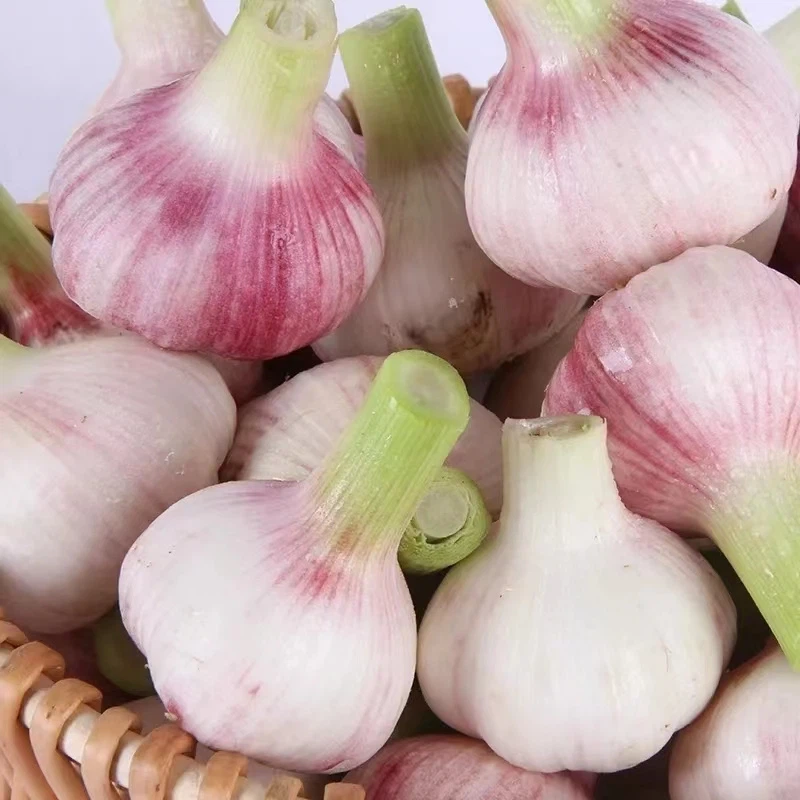
One of the most noticeable differences between organic raw garlic and cooked garlic is the flavor. Raw garlic has a sharp, pungent, and almost spicy flavor. It can really kick your taste buds into high gear. When you bite into a raw clove, that strong flavor hits you right away. It's great for adding a bold punch to dishes like salad dressings, salsas, and cold dips. For example, a classic Caesar salad dressing gets its amazing zing from raw garlic.

Cooked garlic, however, has a much milder and sweeter flavor. The heat breaks down the harsh compounds in the garlic, transforming it into something more mellow. Roasted garlic, for instance, becomes soft and buttery with a caramelized, nutty taste. Sautéed garlic also loses that sharpness and takes on a delicate, savory flavor that complements many cooked dishes. You can use cooked garlic in pasta sauces, stir - fries, and casseroles to add a depth of flavor without overwhelming the other ingredients.
Nutritional Value
Now, let's dive into the nutritional aspect. Organic raw garlic is a nutritional powerhouse. It's loaded with antioxidants, vitamins, and minerals. One of the key compounds in raw garlic is allicin. Allicin is a sulfur - containing compound that has been linked to numerous health benefits. It has antibacterial, antiviral, and antifungal properties, which can help boost your immune system and fight off infections. Raw garlic is also a good source of vitamin C, vitamin B6, and manganese.
When garlic is cooked, the heat can have an impact on its nutritional value. The allicin in garlic starts to break down when exposed to high temperatures. So, cooked garlic may have less allicin compared to raw garlic. However, it still retains many other nutrients. For example, the vitamins and minerals in garlic are relatively stable during cooking, so you'll still get a good dose of them. And some studies suggest that cooking can actually increase the bioavailability of certain antioxidants in garlic, making them easier for your body to absorb.
Culinary Uses
In the kitchen, organic raw garlic and cooked garlic have different roles. As I mentioned earlier, raw garlic is perfect for dishes that don't require cooking or where you want that intense flavor. You can mince it and add it to guacamole for a fresh, spicy kick. Or, you can rub a raw garlic clove on a piece of bread to make a simple and delicious garlic toast.
Cooked garlic, on the other hand, is extremely versatile in cooked dishes. When you're making a tomato sauce, sautéing garlic in olive oil at the beginning of the process can set the base flavor for the entire sauce. Roasted garlic can be spread on bread or mashed into a potato dish for a rich, creamy flavor. You can also add cooked garlic to soups and stews to enhance their taste.
Texture
The texture is another area where raw and cooked garlic differ. Raw garlic cloves are firm and crunchy. When you chop or mince raw garlic, it retains a bit of that crunch, which can add an interesting textural element to a dish.
Cooked garlic, depending on how it's cooked, can have a soft and almost creamy texture. Roasted garlic cloves become so soft that you can easily squeeze them out of their skins, and they'll mash into a smooth paste. Sautéed garlic also becomes tender and loses that crunch, blending well with other ingredients in a cooked dish.
Shelf Life
Shelf life is an important consideration, especially if you're a home cook or a restaurant owner. Organic raw garlic can last for a relatively long time if stored properly. Keep it in a cool, dry, and well - ventilated place, and it can stay fresh for several weeks. You can also store it in the refrigerator, which will extend its shelf life even further.
Cooked garlic, on the other hand, has a shorter shelf life. Since it's been exposed to moisture and heat, it's more prone to spoilage. You should store cooked garlic in an airtight container in the refrigerator and use it within a few days.
Our Organic Raw Garlic Offerings
As an organic raw garlic supplier, I'm proud to offer high - quality products. We have 4p Garlic, which is known for its large cloves and intense flavor. Our Fresh Organic Garlic is sourced from organic farms, ensuring that it's free from pesticides and other harmful chemicals. And if you're looking for something a bit more unique, our Fresh Pulled Garlic has a fresh, just - harvested taste that's perfect for raw applications.
Whether you're a home cook looking to add some flavor to your meals or a restaurant owner in need of a reliable garlic supplier, we've got you covered. Our organic raw garlic is the perfect choice if you want that bold, unadulterated garlic flavor and all the health benefits that come with it.
If you're interested in purchasing our organic raw garlic, don't hesitate to reach out for a procurement discussion. We can talk about your specific needs, quantities, and pricing. Whether you're planning to use it in your home kitchen or in a commercial setting, we're here to provide you with the best organic raw garlic possible.
References
- Block, E. (1985). The chemistry of garlic and onions. Scientific American, 252(3), 114 - 123.
- Lawson, L. D., & Hughes, B. G. (1992). Allicin content of garlic products and garlic powder. Journal of Agricultural and Food Chemistry, 40(11), 2018 - 2021.
- Ried, K., Frank, O. R., & Stocks, N. (2013). Effect of garlic on blood pressure: A systematic review and meta - analysis. BMC Cardiovascular Disorders, 13(1), 42.