

Garlic has been a staple in kitchens and traditional medicine cabinets for centuries. Its pungent aroma and distinct flavor make it a favorite ingredient in countless dishes worldwide. But beyond its culinary uses, garlic has a rich history of being used for its medicinal properties. As a supplier of 1000g Garlic, I've witnessed firsthand the growing interest in the health benefits of this remarkable bulb. In this blog post, we'll explore the various uses of 1000g of garlic in traditional medicine.
Historical Use of Garlic in Traditional Medicine
Garlic's medicinal use dates back thousands of years. Ancient Egyptians, Greeks, and Romans all recognized its therapeutic potential. Egyptians fed garlic to their slaves to increase their strength, while Greek athletes consumed it before competitions. In traditional Chinese medicine, garlic has been used to treat a variety of ailments, including digestive issues and respiratory problems.
Antibacterial and Antiviral Properties
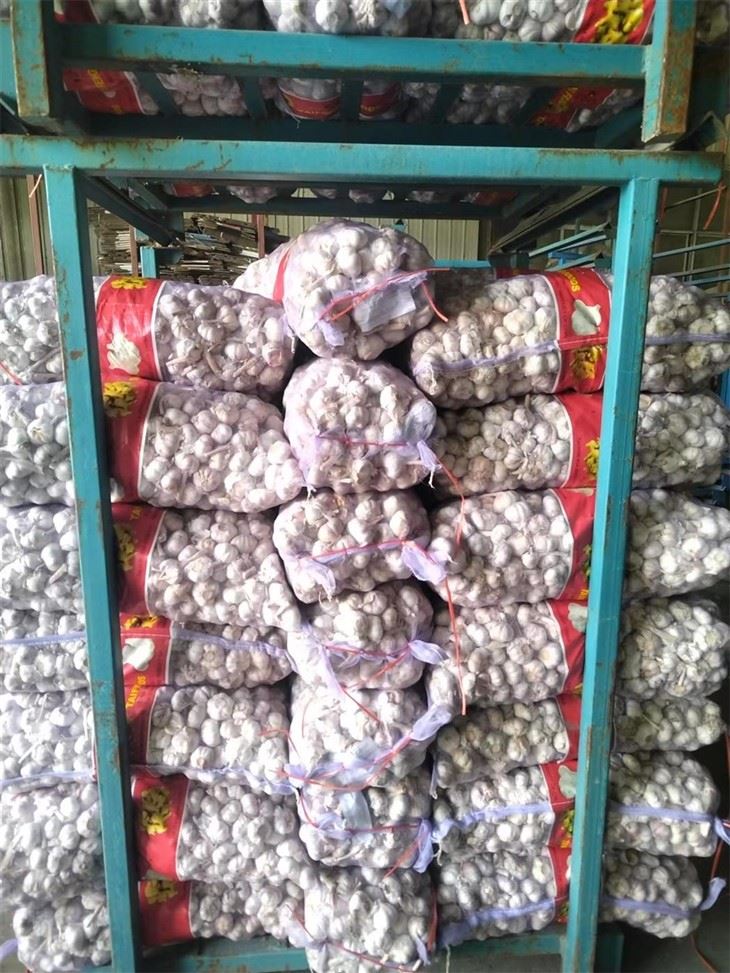
One of the most well-known uses of garlic in traditional medicine is its antibacterial and antiviral properties. Garlic contains a compound called allicin, which has been shown to have powerful antimicrobial effects. Allicin is released when garlic is crushed or chopped, and it can help fight off bacteria, viruses, and fungi.
A 1000g supply of garlic can be used to make natural remedies for common infections. For example, garlic can be used to make a garlic-infused oil, which can be applied topically to treat skin infections or used as an ear drop for ear infections. Garlic can also be consumed raw or cooked to help boost the immune system and fight off colds and flu.
Cardiovascular Health
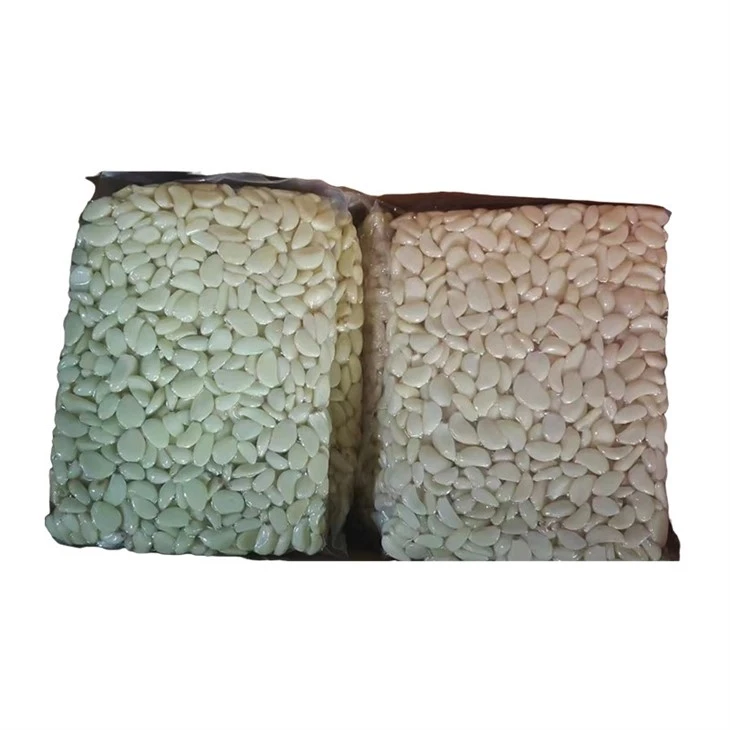
Garlic is also known for its benefits to cardiovascular health. It has been shown to help lower blood pressure, reduce cholesterol levels, and prevent blood clots. These effects are due to the presence of sulfur compounds in garlic, which help relax blood vessels and improve blood flow.
Consuming 1000g of garlic over time can have a significant impact on cardiovascular health. Garlic can be added to a variety of dishes, such as soups, stews, and stir-fries, to increase its intake. Alternatively, garlic supplements can be taken to ensure a consistent dose of its beneficial compounds.
Digestive Health
In traditional medicine, garlic has been used to treat digestive issues such as indigestion, bloating, and constipation. Garlic can help stimulate the production of digestive enzymes, which aid in the breakdown of food and improve nutrient absorption.
A 1000g supply of garlic can be used to make a garlic tea, which can be consumed after meals to aid digestion. Garlic can also be added to foods that are known to cause digestive problems, such as beans and cabbage, to help reduce gas and bloating.
Immune System Boost
Garlic is a natural immune booster. It contains antioxidants and other compounds that help strengthen the immune system and protect the body against disease. Consuming 1000g of garlic can help keep the immune system functioning at its best, especially during cold and flu season.
Garlic can be added to a variety of immune-boosting recipes, such as garlic chicken soup or garlic and ginger tea. These recipes not only taste great but also provide a powerful dose of immune-boosting nutrients.
Anti-Inflammatory Properties
Inflammation is a natural response of the body to injury or infection. However, chronic inflammation can lead to a variety of health problems, including heart disease, cancer, and arthritis. Garlic has been shown to have anti-inflammatory properties, which can help reduce inflammation in the body.
A 1000g supply of garlic can be used to make a garlic paste, which can be applied topically to inflamed areas of the body. Garlic can also be consumed orally to help reduce inflammation from within.
Skin Health
Garlic can also be beneficial for skin health. Its antibacterial and anti-inflammatory properties make it a natural remedy for acne, eczema, and other skin conditions. Garlic can be used to make a garlic face mask, which can help clear up acne and reduce inflammation.
A 1000g supply of garlic can provide enough garlic to make multiple face masks or other skin treatments. Garlic can also be added to a carrier oil, such as coconut oil, and applied to the skin to help moisturize and protect it.
How to Incorporate 1000g of Garlic into Your Health Routine
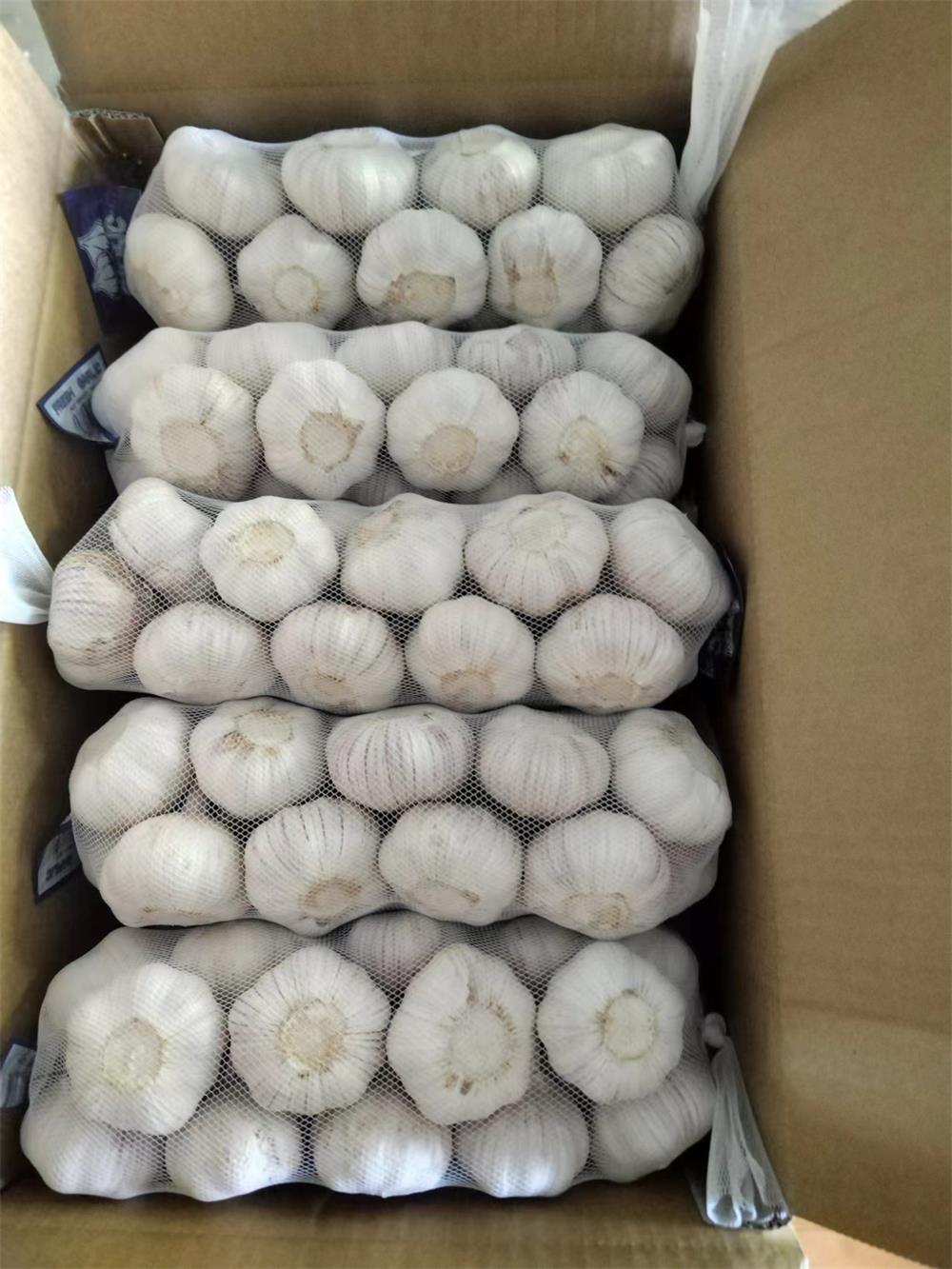
Now that you know the many uses of 1000g of garlic in traditional medicine, you may be wondering how to incorporate it into your health routine. Here are some tips:
- Cook with garlic: Add garlic to your favorite dishes, such as pasta, pizza, and stir-fries. Garlic can enhance the flavor of your food while providing its health benefits.
- Make garlic tea: Crush a few cloves of garlic and steep them in hot water for a few minutes. Strain the tea and drink it to help boost your immune system and aid digestion.
- Take garlic supplements: If you don't like the taste of garlic or find it difficult to incorporate it into your diet, you can take garlic supplements. Make sure to choose a high-quality supplement that contains a standardized amount of allicin.
- Use garlic topically: Make a garlic paste or oil and apply it to your skin to treat acne, eczema, or other skin conditions.
Conclusion
Garlic is a versatile and powerful ingredient that has been used for centuries in traditional medicine. Its antibacterial, antiviral, cardiovascular, digestive, immune-boosting, anti-inflammatory, and skin health benefits make it a valuable addition to any health routine. As a supplier of 1000g Garlic, I'm committed to providing high-quality garlic that can help you improve your health. If you're interested in learning more about the uses of garlic in traditional medicine or purchasing our Large Package Of Garlic, please don't hesitate to contact us. We'd be happy to answer any questions you may have and help you find the right garlic products for your needs.
References
- Block, E. (1985). The chemistry of garlic and onions. Scientific American, 252(3), 114-123.
- Ried, K., Frank, J., & Stocks, N. (2016). Effect of garlic on blood pressure: a systematic review and meta-analysis. BMC Cardiovascular Disorders, 16(1), 46.
- Borek, C. (2001). Garlic and its bioactive components: role in cardiovascular disease. The Journal of Nutrition, 131(3), 955S-962S.
- Aggarwal, B. B., & Shishodia, S. (2006). Molecular targets of garlic and organosulfur compounds derived from garlic. The Journal of Nutrition, 136(3), 736S-740S.