

As a seasoned garlic supplier, I've witnessed firsthand the various methods of storing garlic, and one of the most commonly used ways is storing it in a paper envelope. While this method has its merits, it's essential to understand its limitations to ensure the best quality of our garlic products. In this blog, I'll delve into the drawbacks of using paper envelopes for garlic storage and how they can impact the overall quality of the garlic.
1. Limited Air Circulation
One of the primary limitations of storing garlic in a paper envelope is the restricted air circulation. Garlic, like many other bulbs, needs proper ventilation to prevent the buildup of moisture and mold. Paper envelopes, although porous to some extent, do not provide sufficient airflow compared to other storage options. When garlic is stored in an environment with poor air circulation, it can lead to the growth of mold and mildew, which not only affects the appearance of the garlic but also its taste and nutritional value.
Mold growth on garlic can be a significant concern for both suppliers and consumers. Moldy garlic is often unappetizing and can pose health risks if consumed. Additionally, the presence of mold can spread quickly to other garlic bulbs in the envelope, leading to a higher rate of spoilage. To mitigate this issue, it's crucial to ensure that the garlic is stored in a well-ventilated area, and paper envelopes may not be the best choice for long-term storage.
2. Moisture Retention
Another drawback of using paper envelopes for garlic storage is their tendency to retain moisture. Garlic is a dry crop, and excessive moisture can cause it to rot or sprout prematurely. Paper envelopes can absorb moisture from the surrounding environment, especially in humid conditions, and hold it close to the garlic bulbs. This trapped moisture creates a favorable environment for the growth of bacteria and fungi, which can lead to spoilage.
Moreover, moisture retention can also affect the texture of the garlic. When garlic is exposed to too much moisture, it can become soft and mushy, making it less appealing for cooking. As a garlic supplier, we strive to provide our customers with high-quality, firm garlic bulbs, and storing them in paper envelopes may not help us achieve this goal.
3. Limited Protection from Light
Garlic should be stored in a cool, dark place to maintain its quality. However, paper envelopes do not offer adequate protection from light. Exposure to light can cause the garlic to turn green or sprout, which can affect its flavor and nutritional content. Green garlic is often bitter and less desirable for cooking, and sprouted garlic has a lower shelf life and may not be as flavorful as fresh garlic.
To protect garlic from light, it's recommended to store it in opaque containers or in a dark pantry. Paper envelopes are semi-transparent, allowing some light to penetrate, which can increase the risk of light damage to the garlic. As a supplier, we need to ensure that our garlic is stored in a way that minimizes light exposure to maintain its quality and freshness.
4. Risk of Physical Damage
Paper envelopes are relatively fragile and can easily be torn or damaged. When garlic is stored in a paper envelope, it is more susceptible to physical damage during handling and transportation. A torn envelope can expose the garlic to the elements, increasing the risk of spoilage and contamination. Additionally, if the envelope is crushed or squeezed, it can damage the garlic bulbs, making them more prone to mold and rot.
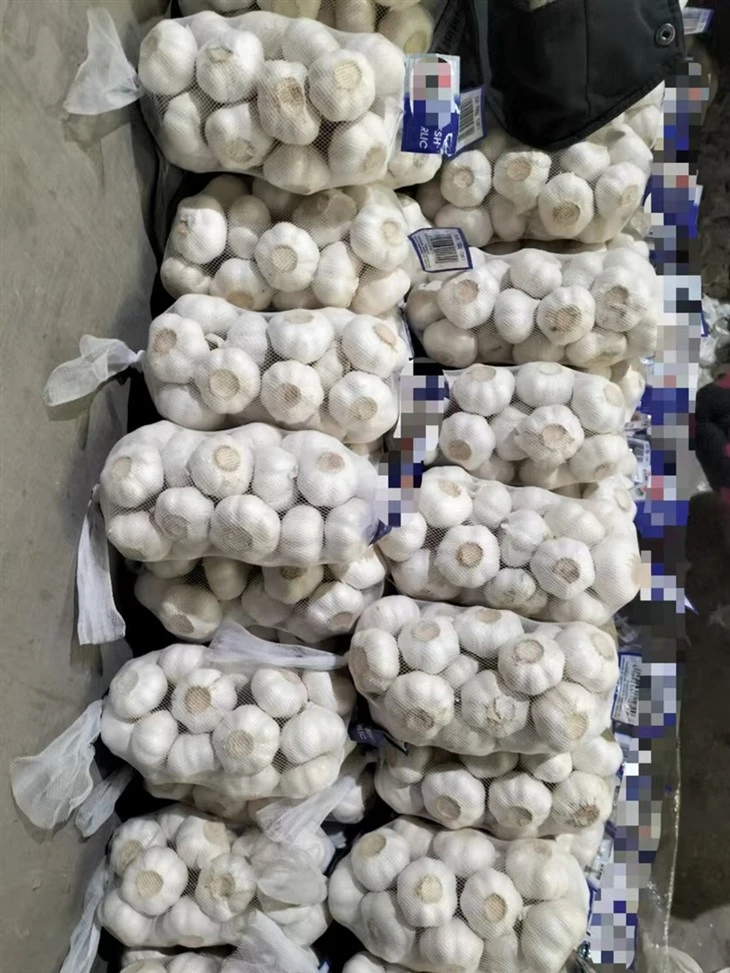
To prevent physical damage to the garlic, it's important to use sturdy storage containers that can withstand handling and transportation. Options such as Net Pocket Garlic or Mesh Pocket Garlic 5p provide better protection for the garlic bulbs and allow for better air circulation compared to paper envelopes.

5. Difficulty in Monitoring
When garlic is stored in a paper envelope, it can be challenging to monitor its condition. Unlike transparent containers or mesh bags, paper envelopes do not allow for easy visual inspection of the garlic. This can make it difficult to detect early signs of spoilage, such as mold growth or sprouting, until it's too late.
As a garlic supplier, we need to be able to monitor the quality of our products regularly to ensure that we are providing our customers with the best possible garlic. Using storage methods that allow for easy inspection, such as clear plastic containers or mesh bags, can help us identify and address any issues promptly.
Alternatives to Paper Envelopes
Given the limitations of storing garlic in paper envelopes, it's worth considering alternative storage methods. Some of the options that we recommend include:
- Mesh Bags: Mesh bags provide excellent air circulation, allowing the garlic to breathe and reducing the risk of mold and mildew. They also offer some protection from light and are more durable than paper envelopes. Mesh Pocket Garlic 5p is a great example of a product that uses mesh bags for storage.
- Net Pouches: Net pouches are similar to mesh bags but are often made of a more lightweight material. They are also very breathable and allow for easy inspection of the garlic. Net Pocket Garlic is a popular choice for storing garlic, as it provides good ventilation and protection.
- Opaque Containers: Opaque containers, such as plastic bins or ceramic jars, offer better protection from light and moisture compared to paper envelopes. They can also be sealed to prevent air and moisture from entering, which can help extend the shelf life of the garlic.
Conclusion
In conclusion, while storing garlic in a paper envelope may seem like a convenient option, it has several limitations that can affect the quality and shelf life of the garlic. Limited air circulation, moisture retention, poor protection from light, risk of physical damage, and difficulty in monitoring are all factors that make paper envelopes less than ideal for long-term garlic storage.
As a garlic supplier, we are committed to providing our customers with the highest quality garlic products. By understanding the limitations of paper envelopes and exploring alternative storage methods, we can ensure that our garlic remains fresh, flavorful, and free from spoilage. If you're interested in purchasing high-quality garlic, we invite you to check out our 2025 New Garlic and other products. We're always happy to discuss your specific needs and answer any questions you may have. Feel free to reach out to us to start a procurement discussion and experience the difference of our premium garlic.
References
- "Garlic Storage: Best Practices for Keeping Garlic Fresh." University of California Agriculture and Natural Resources.
- "The Science of Garlic Storage." Journal of Food Science and Technology.
- "How to Store Garlic for Maximum Freshness." Food Network.