

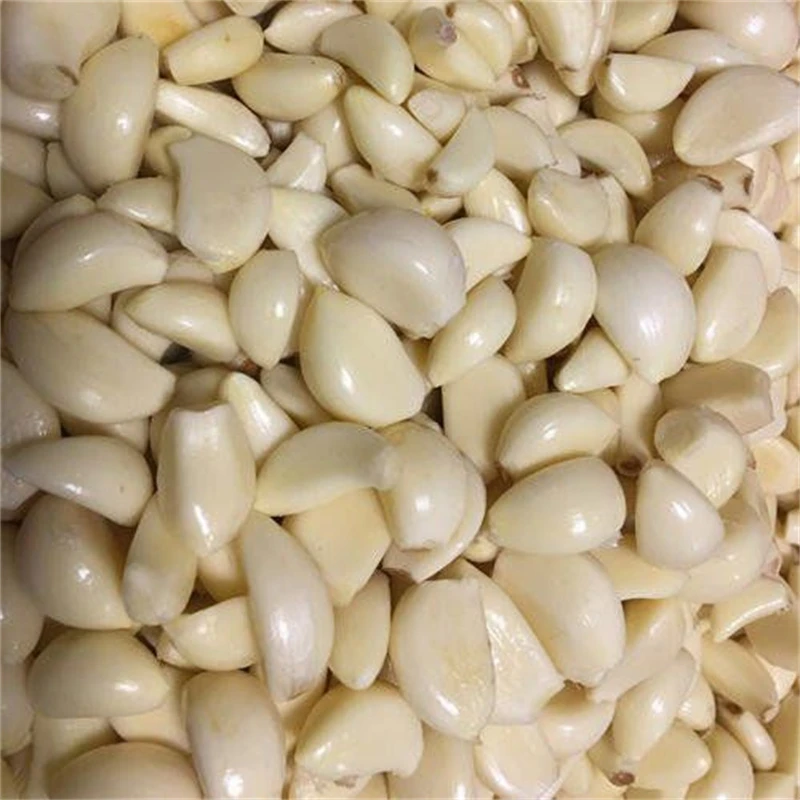
Hey there, fellow foodies! As a skinless garlic supplier, I've seen my fair share of folks using these little flavor powerhouses in the kitchen. And let me tell you, there are some common mistakes that can really mess up your cooking game. So, I thought I'd share some insights to help you make the most of your Skinless Garlic.

Overcooking the Skinless Garlic
One of the biggest blunders I often see is overcooking skinless garlic. Garlic is like a diva in the kitchen - it needs just the right amount of love and attention. When you cook it for too long, it can turn bitter and lose its lovely, mellow flavor. You know, that sweet, slightly nutty taste that can take your dishes from good to great? Yeah, that goes out the window when you overcook it.
Here's what happens. Garlic contains compounds like allicin, which are responsible for its amazing flavor and health benefits. But when you subject it to high heat for an extended period, these compounds break down. The result? A burnt, acrid taste that can ruin an otherwise delicious meal.
So, how do you avoid this? Well, it's all about timing. If you're sautéing garlic, do it over medium - low heat. Keep an eye on it and give it a stir every now and then. It usually only takes a minute or two for the garlic to become fragrant and start releasing its flavor. Once it starts to turn golden, that's your cue to move on to the next step in your recipe.
Using Too Much or Too Little
Another common mistake is getting the quantity of skinless garlic wrong. Some people go overboard and end up with a dish that's so garlicky it can knock your socks off. On the other hand, others are too shy with it, and the dish lacks that zing that garlic can provide.
The key here is to understand your personal taste and the recipe you're following. If you're making a simple pasta sauce, a couple of cloves of skinless garlic might be just right. But if you're making a garlic bread or a garlicky soup, you can be a bit more generous.
As a general rule, start with a small amount and taste as you go. You can always add more garlic, but it's a lot harder to take it out if you've added too much. And remember, different types of dishes call for different amounts. For example, a delicate seafood dish might need less garlic compared to a hearty meat stew.
Not Preparing It Properly
Proper preparation of skinless garlic is crucial. Sometimes, people just toss the whole clove into the pan, and that's a no - no. Garlic releases its flavor more effectively when it's chopped, minced, or crushed.
Chopping garlic into small pieces increases its surface area, allowing the flavor compounds to be released more quickly when heated. Minced garlic is even finer and can infuse a dish with flavor in a flash. And crushed garlic, well, it's like unleashing the full power of garlic all at once.
If you're using a knife to chop or mince garlic, make sure it's sharp. A dull knife can crush the garlic unevenly and make it more difficult to get that nice, consistent texture. You can also use a garlic press, which is a handy tool for quickly getting crushed garlic.
Storing It Incorrectly
Storing skinless garlic properly is often overlooked, but it can have a big impact on its quality and flavor. Skinless garlic is more vulnerable to spoilage compared to whole, unpeeled garlic because the protective skin is removed.
If you leave skinless garlic out at room temperature for too long, it can start to dry out and develop mold. On the other hand, storing it in the fridge can make it lose its flavor and become rubbery.
The best way to store skinless garlic is in the freezer. You can place it in an airtight container or a freezer bag. When you need it, just take out as much as you need and let it thaw slightly. It will still retain most of its flavor and freshness. And if you're using Nitrogen Filled Packaging Of Garlic Rice, it can extend the shelf - life of your skinless garlic even further.
Mixing It with the Wrong Ingredients
Garlic has a strong flavor, and it doesn't play well with every ingredient. Some flavors can clash with garlic, resulting in an unbalanced dish. For example, pairing garlic with overly sweet ingredients can create a strange taste combination.
When planning your menu, think about the flavors that complement garlic. Herbs like parsley, thyme, and rosemary go really well with garlic. Lemon juice can also brighten up the flavor of garlic in a dish. And of course, garlic and olive oil are a match made in heaven.
On the flip side, be careful when using garlic with ingredients that have a very mild or delicate flavor. You don't want to overpower them. For instance, a light, creamy dessert would not be a good candidate for garlic.
Not Considering the Cooking Method
Different cooking methods require different approaches when using skinless garlic. For example, if you're roasting garlic, you can leave the cloves whole and wrap them in foil with a bit of olive oil. Roasting garlic at a low temperature for a long time turns it into a sweet, buttery spread that's amazing on bread or in dips.
But if you're deep - frying garlic, you need to be extra careful. The high heat can cause the garlic to burn very quickly. It's best to slice the garlic thinly and fry it in hot oil for just a few seconds until it turns crispy.
And when you're using garlic in a slow - cooker recipe, you might want to add it towards the end of the cooking time. Otherwise, it can become overcooked and lose its flavor.
Buying Low - Quality Skinless Garlic
As a skinless garlic supplier, I can't stress enough the importance of buying high - quality products. Low - quality skinless garlic might be cheaper, but it can have a lot of issues. It could be old, have a strong, unpleasant odor, or be full of blemishes.
When you're shopping for skinless garlic, look for suppliers who use proper handling and storage techniques. Check the packaging for any signs of spoilage, such as mold or discoloration. And if possible, buy from a reputable source like Bulk Peeled Garlic.
Not Using It in the Right Recipes
Skinless garlic is incredibly versatile, but it's not suitable for every recipe. Some recipes call for the flavor of whole, unpeeled garlic, which imparts a more subtle flavor. For example, when making a classic French coq au vin, you might want to use whole garlic cloves that are added towards the end of the cooking process.
On the other hand, skinless garlic is perfect for recipes where you want a more intense garlic flavor. It's great for making garlic butter, garlic aioli, and garlicky salad dressings.
So, before you reach for the skinless garlic, think about whether it's the right choice for the recipe you're making.
Conclusion
Well, there you have it - the common mistakes when using skinless garlic in cooking. By avoiding these pitfalls, you can elevate your cooking to a whole new level. Whether you're a seasoned chef or just starting out in the kitchen, these tips can help you make the most of this amazing ingredient.
If you're interested in sourcing high - quality skinless garlic for your restaurant, catering business, or home kitchen, I'd love to talk to you. We're a reliable skinless garlic supplier, and we can offer you the best products at competitive prices. Just reach out, and let's start a conversation about how we can meet your garlic needs.
References
- "The Science of Cooking with Garlic" - Culinary Institute of America
- "Garlic: A Guide to Flavor and Health Benefits" - Healthline
- "Cooking Techniques for Garlic" - Bon Appétit Magazine