

Is fresh raw garlic safe for dogs? That's a question I get asked a lot as a fresh raw garlic supplier. There's a lot of debate around this topic, and I'm here to break it down for you based on the latest scientific research and my own experience in the garlic business.
Let's start with the basics. Garlic belongs to the Allium family, which also includes onions, leeks, and chives. These plants contain compounds like thiosulphates, which can be toxic to dogs in large amounts. When a dog ingests these substances, they can cause oxidative damage to the red blood cells, leading to a condition called hemolytic anemia. This means the red blood cells break down faster than the body can replace them, which can be pretty serious.
However, the key word here is "large amounts." In small doses, garlic might actually have some health benefits for dogs. Garlic has natural antibacterial, antifungal, and anti - inflammatory properties. It can also act as a natural flea and tick repellent. Some pet owners swear by adding a tiny bit of garlic to their dog's food to keep those pesky parasites at bay.
So, how much is too much? Well, that depends on the size of your dog. As a general rule of thumb, it's recommended that dogs shouldn't consume more than 1 gram of garlic per 5 pounds of body weight per day. For example, a small dog weighing 10 pounds should have no more than 2 grams of garlic in a day. That's a pretty small amount, about a half - clove of garlic.
Now, you might be wondering what the symptoms of garlic toxicity in dogs are. If a dog has eaten too much garlic, you might notice signs like weakness, lethargy, vomiting, diarrhea, pale gums, and an increased heart rate. If you suspect your dog has consumed an excessive amount of garlic, it's important to take them to the vet right away.

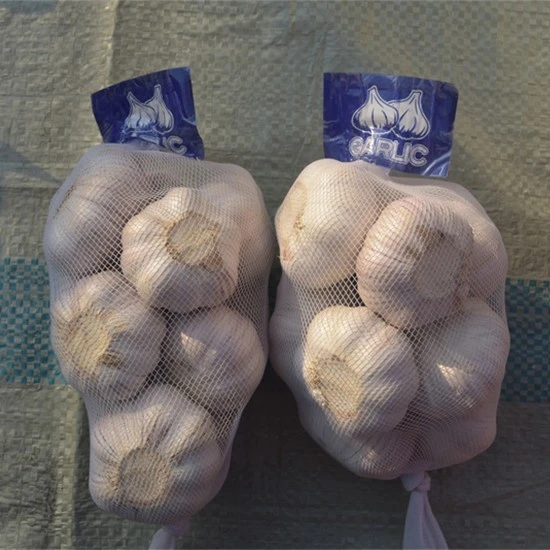
But here's the thing. As a fresh raw garlic supplier, I know that the quality of the garlic matters. We offer different varieties of fresh raw garlic, like Bagged Garlic, Purple Garlic, and White Garlic. The concentration of those potentially harmful compounds can vary depending on the variety, the growing conditions, and how the garlic is stored.
Our garlic is grown using natural farming methods, without the use of harmful pesticides or chemicals. This means that the garlic is as pure and natural as it can be. When you're thinking about giving your dog a little bit of garlic, using high - quality fresh raw garlic can make a difference.
It's also important to note that not all dogs react the same way to garlic. Just like humans, some dogs might be more sensitive to the compounds in garlic than others. Some dogs might be able to tolerate a small amount of garlic without any issues, while others might have a negative reaction even to a tiny bit.
If you're considering adding garlic to your dog's diet, it's a good idea to start with an extremely small amount and see how your dog reacts. You can crush a very small piece of garlic and mix it into your dog's food. Watch your dog closely for any signs of discomfort or illness in the following hours and days.
Now, I want to emphasize that I'm not a veterinarian. Before making any changes to your dog's diet, it's always best to consult with a professional. A vet can give you personalized advice based on your dog's specific health needs, age, and breed.
As a fresh raw garlic supplier, I believe in the power of natural foods. Garlic has been used for centuries in human diets for its health benefits, and it's interesting to explore its potential benefits for our furry friends. But safety should always come first.
If you're a pet food manufacturer or a pet owner interested in using our high - quality fresh raw garlic, I'd love to hear from you. Whether you're looking for Bagged Garlic, Purple Garlic, or White Garlic, we can work together to find the right solution for you. Contact us to start a conversation about your garlic needs and how we can meet them.
References
- "Garlic Toxicity in Dogs and Cats" - Veterinary Medicine Journal
- "Allium Family and Pet Health" - American Pet Health Association
- "Benefits and Risks of Garlic in Pet Diets" - Pet Nutrition Research Institute