

Growing garlic at home can be a rewarding experience, not only for the fresh produce but also for the joy of cultivating your own food. As a supplier of 1000g garlic, I've gained extensive knowledge about garlic cultivation and storage. In this blog, I'll share with you the steps and tips on how to grow 1000g of garlic at home.
Selecting the Right Garlic Variety
The first step in growing garlic is to choose the right variety. There are two main types of garlic: hardneck and softneck. Hardneck garlic produces a central stalk and is known for its larger cloves and robust flavor. Softneck garlic, on the other hand, is more common in grocery stores and has a longer shelf - life.
When selecting garlic bulbs for planting, look for large, healthy bulbs. Avoid bulbs that are moldy, damaged, or have started to sprout. You can purchase garlic bulbs from a local nursery, garden center, or even save some from your last harvest.
Preparing the Planting Site
Garlic thrives in well - drained soil with a pH between 6.0 and 7.5. Choose a sunny location in your garden that receives at least 6 hours of direct sunlight per day. Prepare the soil by removing any weeds, rocks, or debris. Loosen the soil to a depth of about 8 - 10 inches using a garden fork or tiller.
Incorporate organic matter such as compost or well - rotted manure into the soil. This will improve the soil structure, fertility, and water - holding capacity. You can also add a balanced fertilizer, following the manufacturer's instructions, to provide essential nutrients for the garlic plants.
Planting Garlic
Garlic is typically planted in the fall, about 4 - 6 weeks before the first hard frost. Separate the garlic bulbs into individual cloves, keeping the papery skin intact. Plant the cloves pointed end up, about 2 - 3 inches deep and 4 - 6 inches apart. Rows should be spaced about 12 - 18 inches apart.

If you miss the fall planting window, you can also plant garlic in the spring. However, spring - planted garlic may produce smaller bulbs compared to fall - planted garlic.
Watering and Fertilizing
After planting, water the garlic thoroughly to settle the soil around the cloves. Keep the soil consistently moist but not waterlogged. During the growing season, garlic plants need about 1 - 2 inches of water per week, either from rainfall or irrigation.
Fertilize the garlic plants in early spring when new growth appears. You can use a nitrogen - rich fertilizer to promote leafy growth. Apply the fertilizer according to the package instructions, being careful not to over - fertilize, as this can lead to excessive foliage growth at the expense of bulb development.
Weed Control
Weeds can compete with garlic plants for nutrients, water, and sunlight. Regularly remove weeds from the garlic bed by hand or use a shallow - bladed hoe to avoid disturbing the garlic roots. Applying a layer of mulch, such as straw or shredded leaves, around the garlic plants can help suppress weeds and conserve soil moisture.
Pest and Disease Management
Garlic is generally a low - maintenance crop, but it can be susceptible to some pests and diseases. Common pests include aphids, thrips, and nematodes. To control pests, you can use insecticidal soaps or neem oil, following the product instructions.
Diseases such as white rot, downy mildew, and rust can also affect garlic plants. To prevent diseases, practice crop rotation, avoid over - watering, and provide good air circulation around the plants. If you notice any signs of disease, remove and destroy the affected plants immediately to prevent the spread.
Harvesting Garlic
Garlic is ready to harvest when the lower leaves turn yellow and start to dry. This usually occurs in mid - to late summer, depending on the variety and planting time. Carefully dig up the garlic bulbs using a garden fork, being careful not to damage them.
After harvesting, let the garlic bulbs dry in a warm, well - ventilated area for about 2 - 3 weeks. This process, called curing, helps to improve the flavor and storage life of the garlic. Once the garlic is fully cured, trim the roots and tops, leaving about 1 - 2 inches of the stem.
Storing Garlic
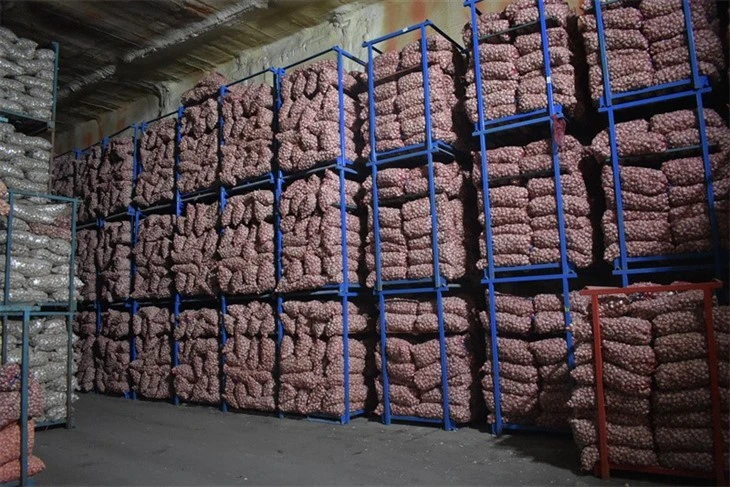
Proper storage is essential to keep your garlic fresh for an extended period. Store cured garlic bulbs in a cool, dry, and well - ventilated place. You can store garlic in mesh bags, braids, or baskets. Avoid storing garlic in the refrigerator, as the cold, moist environment can cause the garlic to sprout or develop mold.
For more information on garlic storage, you can visit Garlic In Cold Storage.
Yield and Achieving 1000g
The yield of garlic can vary depending on several factors, including the variety, growing conditions, and care. On average, a single garlic bulb can weigh between 20 - 50 grams. To grow 1000g of garlic, you may need to plant about 20 - 50 cloves, depending on the expected bulb size.
By following the steps outlined above and providing optimal growing conditions, you can increase your chances of achieving a good yield. Monitor the growth of your garlic plants regularly, and make adjustments to watering, fertilizing, and pest control as needed.
Transportation and Processing
If you plan to transport your garlic, it's important to handle it carefully to prevent damage. For large - scale transportation, Pallet Transporting White Garlic provides useful information on proper palletizing and transportation methods.
If you're interested in processing your garlic, Chopped Frozen Garlic offers insights into the process of chopping and freezing garlic for long - term use.
Conclusion
Growing 1000g of garlic at home is an achievable goal with the right knowledge and care. By selecting the right variety, preparing the soil, planting at the right time, and providing proper watering, fertilizing, and pest control, you can enjoy a bountiful harvest of fresh garlic.
As a 1000g garlic supplier, I'm always here to share my expertise and answer any questions you may have about garlic cultivation, storage, or transportation. If you're interested in purchasing high - quality garlic or have any questions regarding garlic products, feel free to reach out for a procurement discussion.
References
- "Garlic Growing Guide." University of Minnesota Extension.
- "The Vegetable Gardener's Bible" by Edward C. Smith.
- "Rodale's Ultimate Encyclopedia of Organic Gardening" by Fern Marshall Bradley, Barbara W. Ellis, and the Editors of Rodale's Organic Life.