

Hey there! I'm a supplier of small net garlic, and I get a lot of questions about how to tell small net garlic apart from other similar plants. It's a crucial skill, especially if you're in the food business or just a home cook who wants to use the right ingredient. In this blog, I'll share some tips and tricks to help you distinguish small net garlic from its look - alikes.
Appearance and Structure
First off, let's talk about the appearance of small net garlic. Small net garlic usually has a slender and elongated shape. The cloves are smaller compared to regular garlic, and they're often clustered closely together. The outer skin of small net garlic is thin and papery, with a color that can range from off - white to light brown.
When you compare it to wild garlic, for example, wild garlic has long, flat leaves that look more like grass blades. Small net garlic doesn't have these kinds of prominent leaves when it's in its bulb form. Instead, it grows from a bulb structure that is compact and covered in that characteristic papery skin.
Another plant that's often confused with small net garlic is green onion. Green onions have a hollow stem, and they're more flexible. Small net garlic bulbs are firm, and the cloves inside are solid. If you cut open a small net garlic clove, you'll see a smooth, white interior. In contrast, green onions have a more fibrous texture inside their stems.
Smell
One of the easiest ways to tell small net garlic apart from other plants is by its smell. Small net garlic has that distinct, pungent garlicky aroma. Just give it a little squeeze or rub the clove between your fingers, and you'll immediately detect that strong, sharp smell.
Wild garlic has a milder, more delicate smell. It still has a garlic - like scent, but it's not as overpowering as small net garlic. Green onions have a much milder, onion - like smell. If you're ever in doubt, take a whiff. The smell of small net garlic is pretty hard to miss.
Taste
Of course, taste is another key factor. When you bite into a small net garlic clove, you'll experience a strong, spicy, and savory flavor. It can be quite intense, so a little goes a long way in cooking.
Wild garlic has a more subtle and sweet garlic flavor. It's often used in salads and lighter dishes because of its milder taste. Green onions have a sweet and slightly sharp onion taste, which is very different from the bold flavor of small net garlic.
Growing Conditions and Habitat
Small net garlic is typically cultivated in agricultural fields. It prefers well - drained soil and plenty of sunlight. Farmers take care to plant it at the right depth and spacing to ensure healthy growth.
Wild garlic, on the other hand, often grows in the wild, in wooded areas or along riverbanks. It's more adaptable to natural environments and can tolerate shade better than small net garlic. Green onions are commonly grown in home gardens or small farms. They're relatively easy to grow and can be planted in containers as well.
Culinary Uses
Now, let's talk about how small net garlic is used in cooking. It's a staple in many cuisines around the world. You can use it in stir - fries, soups, stews, and marinades. The strong flavor of small net garlic adds a delicious depth to any dish.
If you're interested in different garlic products, we also offer Frozen Peeled Garlic. It's a convenient option for those who don't want to go through the hassle of peeling fresh garlic. Our 1000g Garlic is great for bulk cooking, whether you're a restaurant owner or just someone who loves to cook in large batches. And for those who like pre - chopped garlic, we have Chopped Frozen Garlic. It saves you time in the kitchen and still gives you that wonderful garlic flavor.
Importance of Correct Identification
Getting the identification right is super important. If you accidentally use the wrong plant in a recipe, it can completely change the taste of your dish. For example, if you use wild garlic instead of small net garlic in a dish that calls for a strong garlic flavor, it might end up being too mild. And if you use green onions when you meant to use small net garlic, the flavor profile will be off.
In the food industry, misidentifying small net garlic can lead to customer dissatisfaction. Restaurants rely on the right ingredients to create consistent and delicious dishes. As a supplier, I make sure that the small net garlic I provide is of the highest quality and correctly identified.
Tips for Beginners
If you're new to distinguishing small net garlic from other plants, here are some tips. First, start by looking at the plant's overall shape and structure. Pay attention to the size of the bulbs, the texture of the skin, and the arrangement of the cloves.
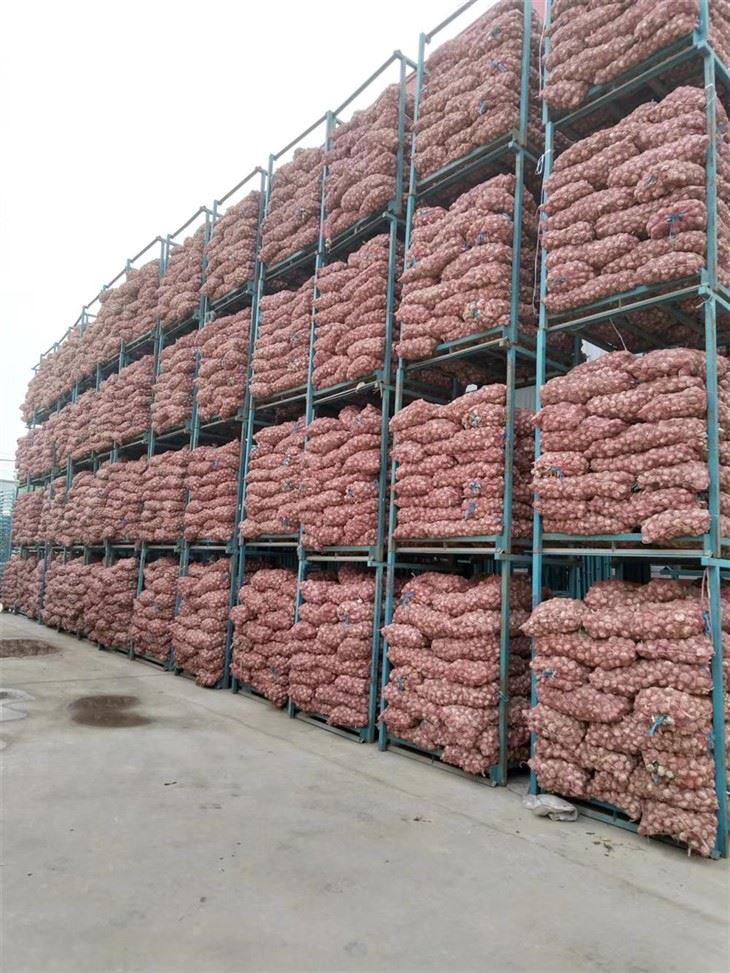

Next, use your senses. Smell and taste are powerful tools. Don't be afraid to take a little nibble (but be careful with small net garlic because of its strong flavor). And if you're still not sure, compare the plant with pictures of small net garlic online or in a gardening book.
Conclusion
In conclusion, distinguishing small net garlic from other similar plants is all about paying attention to the details. Look at the appearance, smell, taste, and growing conditions. By using these methods, you'll be able to tell small net garlic apart from wild garlic, green onions, and other look - alikes.
If you're interested in purchasing high - quality small net garlic or any of our other garlic products, I'd love to talk to you. Whether you're a restaurant owner, a home cook, or a food distributor, we can work together to meet your garlic needs. Reach out to start a conversation about your procurement requirements, and let's create some delicious dishes together!
References
- "The Complete Guide to Edible Wild Plants" by John Kallas
- "Garlic: The Wonderful World of the World's Most Popular Herb" by Eric Block