

As a seasoned stored garlic supplier, I often get asked the question: How often should I check on my stored garlic? This seemingly simple query holds significant importance in the garlic industry, as proper storage and regular checks can make the difference between a profitable harvest and a disappointing loss. In this blog, I'll share my insights based on years of experience in the field, providing you with a comprehensive guide on how frequently you should monitor your stored garlic.
Understanding the Importance of Regular Checks
Garlic is a perishable commodity, and its quality can deteriorate over time if not stored under optimal conditions. Regular checks allow you to detect early signs of spoilage, such as mold, sprouting, or rot, and take appropriate action to prevent further damage. By monitoring your stored garlic, you can ensure that it remains in good condition and meets the high standards expected by your customers.
In addition to preventing spoilage, regular checks also help you maintain accurate inventory records. By keeping track of the quantity and quality of your stored garlic, you can make informed decisions about when to sell, how much to sell, and at what price. This can help you maximize your profits and minimize your losses.
Factors Affecting the Frequency of Checks
The frequency of checks on your stored garlic depends on several factors, including the storage conditions, the type of garlic, and the intended use of the garlic. Here are some key factors to consider:
Storage Conditions
The storage conditions play a crucial role in determining how often you should check on your stored garlic. Garlic should be stored in a cool, dry, and well-ventilated area to prevent mold and sprouting. The ideal temperature for storing garlic is between 32°F and 40°F (0°C and 4°C), with a relative humidity of 60% to 70%.
If your storage conditions are not optimal, you may need to check on your stored garlic more frequently. For example, if the temperature or humidity in your storage area fluctuates significantly, you may need to check on your garlic every few days to ensure that it is still in good condition.
Type of Garlic
Different types of garlic have different storage requirements and shelf lives. Hardneck garlic, for example, has a shorter shelf life than softneck garlic and may need to be checked more frequently. Additionally, garlic that has been processed or peeled has a shorter shelf life than whole garlic and may require more frequent checks.
Intended Use of the Garlic
The intended use of the garlic also affects the frequency of checks. If you are storing garlic for long-term use, such as for seed or for processing, you may need to check on it less frequently than if you are storing it for immediate sale. However, if you are storing garlic for a specific event or customer order, you may need to check on it more frequently to ensure that it is ready for use when needed.
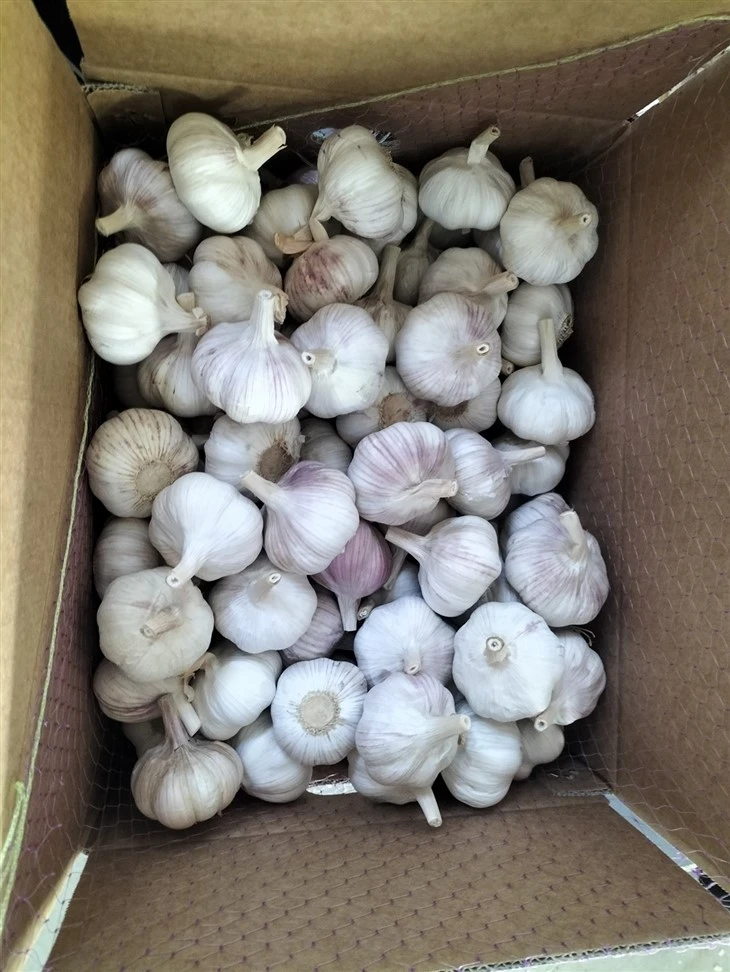
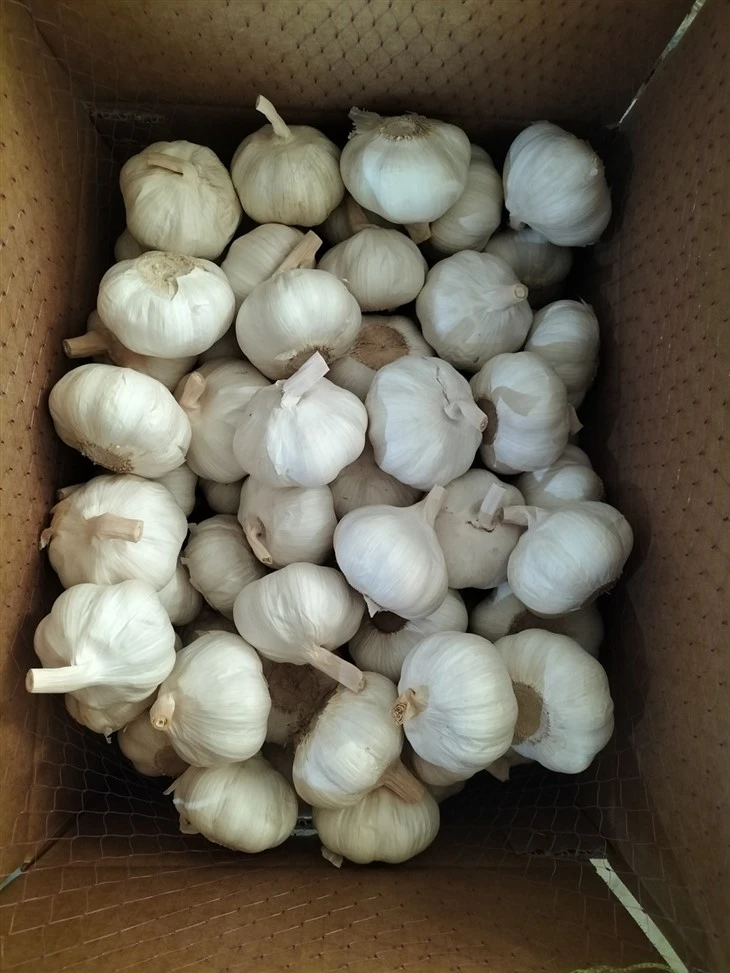
Recommended Frequency of Checks
Based on my experience, I recommend checking on your stored garlic at least once a week. This allows you to detect any early signs of spoilage and take appropriate action to prevent further damage. However, if your storage conditions are not optimal or if you are storing a large quantity of garlic, you may need to check on it more frequently.
Here is a general guideline on how often you should check on your stored garlic based on the storage conditions:
Optimal Storage Conditions
If you are storing your garlic in a cool, dry, and well-ventilated area with a temperature between 32°F and 40°F (0°C and 4°C) and a relative humidity of 60% to 70%, you can check on it once a week. This should be sufficient to detect any early signs of spoilage and ensure that your garlic remains in good condition.
Suboptimal Storage Conditions
If your storage conditions are not optimal, such as if the temperature or humidity in your storage area fluctuates significantly, you may need to check on your stored garlic every few days. This will allow you to detect any changes in the condition of your garlic and take appropriate action to prevent further damage.
Large Quantity of Garlic
If you are storing a large quantity of garlic, you may need to check on it more frequently to ensure that all of the garlic is in good condition. In this case, I recommend checking on your garlic at least twice a week.
How to Check on Your Stored Garlic
When checking on your stored garlic, there are several things to look for. Here are some key steps to follow:
Visual Inspection
Start by visually inspecting your garlic for any signs of spoilage, such as mold, sprouting, or rot. Look for discoloration, soft spots, or any other abnormalities on the surface of the garlic cloves. If you notice any signs of spoilage, remove the affected cloves immediately to prevent the spread of mold or rot.
Smell Test
Next, take a sniff of your garlic to check for any unusual odors. Fresh garlic should have a strong, pungent smell. If your garlic has a musty or sour smell, it may be spoiled and should be discarded.
Texture Check
Finally, gently squeeze a few cloves of garlic to check for their texture. Fresh garlic cloves should be firm and plump. If the cloves are soft or mushy, they may be spoiled and should be removed.
Taking Action Based on Your Checks
If you detect any signs of spoilage during your checks, it's important to take action immediately to prevent further damage. Here are some steps you can take:
Remove Spoiled Garlic
If you find any spoiled garlic cloves, remove them immediately to prevent the spread of mold or rot. Discard the spoiled cloves in a sealed bag or container to prevent the spores from spreading to other garlic cloves.
Adjust Storage Conditions
If you notice that the storage conditions are not optimal, such as if the temperature or humidity in your storage area is too high or too low, take steps to adjust the conditions. You may need to install a dehumidifier or a heater to maintain the ideal temperature and humidity levels.
Sell or Use the Garlic
If you have a large quantity of garlic that is starting to spoil, you may need to sell or use it before it goes bad. Consider offering a discount on the garlic or using it in your own recipes to avoid wasting it.
Conclusion
In conclusion, regular checks on your stored garlic are essential to ensure its quality and prevent spoilage. The frequency of checks depends on several factors, including the storage conditions, the type of garlic, and the intended use of the garlic. By following the guidelines outlined in this blog, you can determine how often you should check on your stored garlic and take appropriate action to ensure that it remains in good condition.
If you're interested in purchasing high-quality stored garlic, we have a wide selection of 2025 New Garlic, Fine Garlic in Carton, and Fine Processed Garlic available. Our garlic is carefully selected and stored to ensure its freshness and quality. Contact us today to discuss your procurement needs and let's start a profitable partnership!
References
- "Garlic Storage: How to Keep Garlic Fresh for Longer." The Spruce Eats, https://www.thespruceeats.com/how-to-store-garlic-1389231.
- "Storing Garlic: Tips and Tricks." University of Minnesota Extension, https://extension.umn.edu/food-preservation/storing-garlic.
- "Garlic Storage and Handling." Purdue University Extension, https://extension.purdue.edu/extmedia/FS/FS-230-W.pdf.