

As a seasoned stored garlic supplier, I've witnessed firsthand the profound impact of garage temperature on the quality and longevity of stored garlic. In this blog, I'll delve into the science behind this relationship, sharing insights and practical tips to help you optimize your garlic storage conditions.
Understanding Garlic's Ideal Storage Environment
Garlic, a staple in kitchens worldwide, is a hardy bulb that can be stored for extended periods if kept in the right conditions. The ideal storage temperature for garlic ranges between 32°F (0°C) and 60°F (15°C), with a relative humidity of 60% to 70%. These conditions slow down the sprouting and spoilage processes, allowing the garlic to retain its flavor, texture, and nutritional value.
The Effects of High Temperatures on Stored Garlic
When garlic is stored in a garage with temperatures above the recommended range, several negative effects can occur. First and foremost, high temperatures accelerate the sprouting process. As the temperature rises, the garlic bulbs become more active metabolically, causing them to sprout prematurely. Sprouted garlic has a bitter taste and a softer texture, making it less desirable for culinary use.
In addition to sprouting, high temperatures can also lead to the growth of mold and bacteria. Garlic is a natural source of moisture, and when combined with warm, humid conditions, it creates an ideal breeding ground for these microorganisms. Mold can cause the garlic to develop a fuzzy, greenish-black coating, while bacteria can lead to a foul odor and soft, mushy texture.
High temperatures can also cause the garlic to lose its flavor and nutritional value. As the garlic bulbs age, they naturally lose some of their essential oils and nutrients. However, this process is accelerated in warm conditions, resulting in a less flavorful and nutritious product.
The Effects of Low Temperatures on Stored Garlic
While high temperatures can be detrimental to stored garlic, extremely low temperatures can also pose problems. Garlic is a relatively cold-tolerant crop, but it can still be damaged by freezing temperatures. When garlic is exposed to temperatures below 32°F (0°C), the water inside the bulbs can freeze, causing the cells to burst. This can result in a soft, mushy texture and a loss of flavor.
In addition to freezing damage, low temperatures can also cause the garlic to enter a state of dormancy. While this may seem like a positive thing, it can actually make the garlic more difficult to use. Dormant garlic bulbs may take longer to sprout and may not have the same flavor and texture as fresh garlic.
Finding the Right Balance
So, how do you find the right balance when it comes to storing garlic in your garage? The key is to monitor the temperature and humidity levels regularly and make adjustments as needed. If the temperature in your garage is consistently above the recommended range, you may need to consider using a fan or air conditioner to cool the space. On the other hand, if the temperature is too low, you may need to insulate the garage or use a space heater to keep the temperature within the ideal range.
In addition to temperature control, it's also important to ensure that the garlic is stored in a well-ventilated area. Good ventilation helps to prevent the buildup of moisture and mold, which can contribute to spoilage. You can achieve good ventilation by using a fan or opening windows and doors on a regular basis.
Practical Tips for Storing Garlic in Your Garage
Here are some practical tips to help you store garlic in your garage effectively:
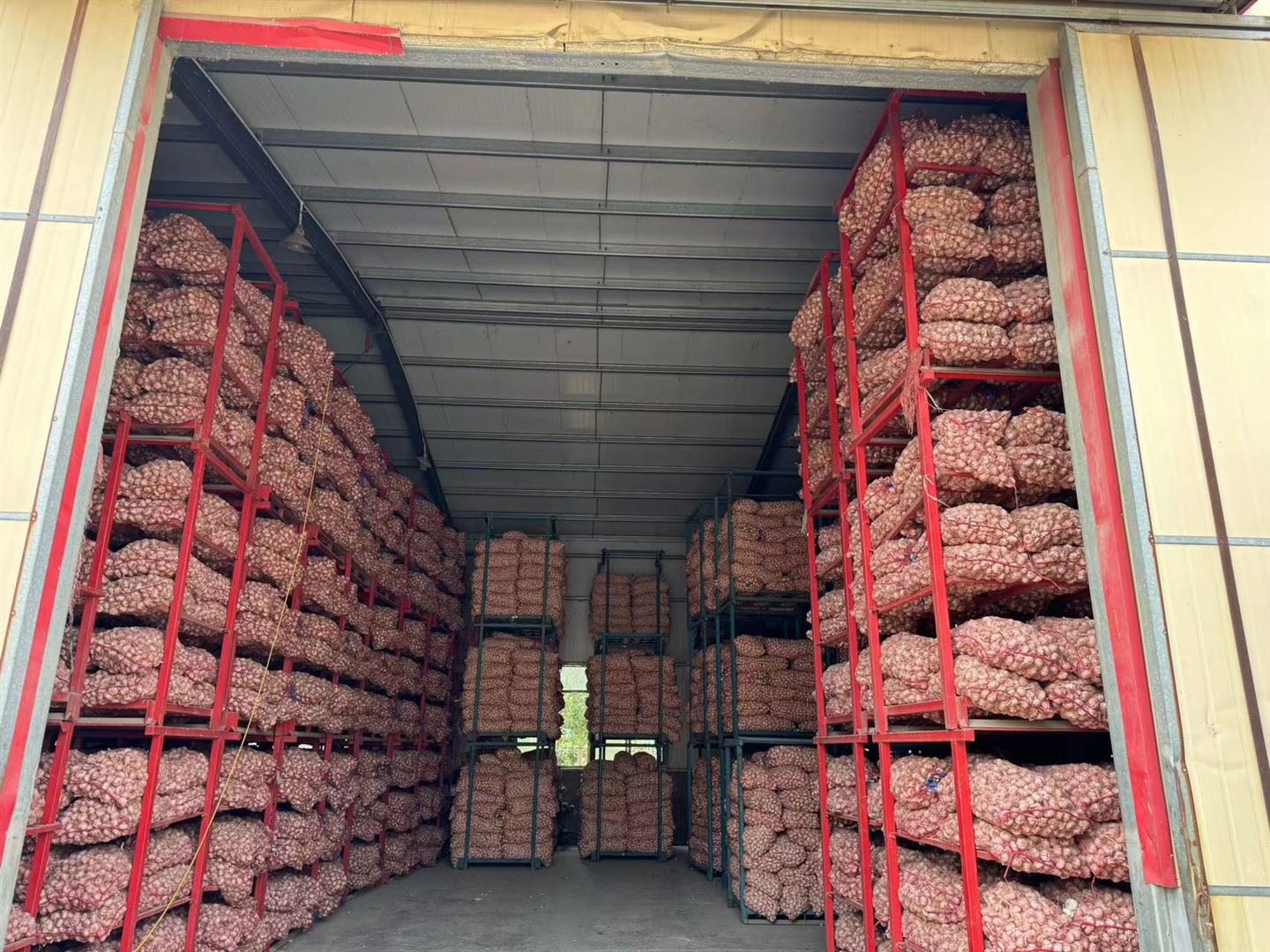
- Choose the right containers: Garlic should be stored in a container that allows for good air circulation. Avoid using plastic bags or airtight containers, as these can trap moisture and promote the growth of mold and bacteria. Instead, use mesh bags, paper bags, or wooden crates.
- Keep the garlic dry: Before storing the garlic, make sure it is completely dry. Any excess moisture can contribute to spoilage. You can dry the garlic by laying it out in a single layer in a well-ventilated area for several days.
- Separate the bulbs: If you are storing multiple garlic bulbs, make sure to separate them to prevent the spread of mold and bacteria. You can do this by placing each bulb in its own container or by using dividers in a larger container.
- Check the garlic regularly: It's important to check the garlic regularly for signs of spoilage. If you notice any mold, soft spots, or foul odors, remove the affected bulbs immediately to prevent the spread of the problem.
Conclusion
As a stored garlic supplier, I understand the importance of proper storage conditions in maintaining the quality and shelf life of garlic. By understanding the effects of temperature on stored garlic and taking the necessary steps to optimize your storage environment, you can ensure that your garlic stays fresh, flavorful, and nutritious for as long as possible.
If you're interested in purchasing high-quality stored garlic for your business or personal use, please visit our website at Stored Garlic to learn more about our products and services. We offer a wide range of garlic varieties, including Fresh Garlic in The Box and 2025 New Garlic, all of which are carefully selected and stored to ensure the highest level of quality.
Contact us today to discuss your garlic procurement needs and let us help you find the perfect solution for your business.
References
- USDA Agricultural Research Service. (n.d.). Garlic Storage. Retrieved from [URL]
- University of California Cooperative Extension. (n.d.). Postharvest Handling of Garlic. Retrieved from [URL]
- Cornell University Cooperative Extension. (n.d.). Storing Garlic. Retrieved from [URL]