

Hey there! I'm a supplier of 1kg peeled garlic, and let me tell you, the smell of this stuff in the kitchen is something else. It's like a little explosion of flavor that lingers long after you've finished using it. In this blog, I'm going to break down how that 1kg of peeled garlic manages to leave its mark in the kitchen, and why it's such a big deal for food lovers and chefs alike.
First off, let's talk about what makes garlic smell so strong. Garlic contains a compound called allicin. When you peel and crush garlic, an enzyme called alliinase breaks down alliin, a sulfur - containing compound in garlic, to form allicin. Allicin is super volatile, which means it easily turns into a gas and spreads through the air. This is the main culprit behind that pungent garlic smell.
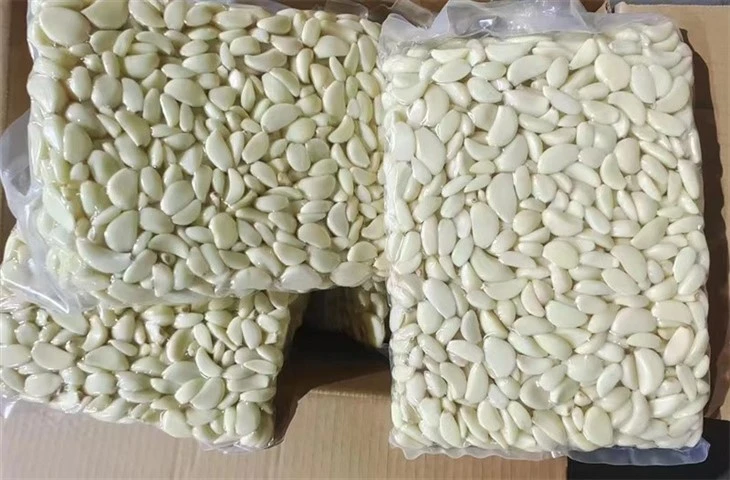
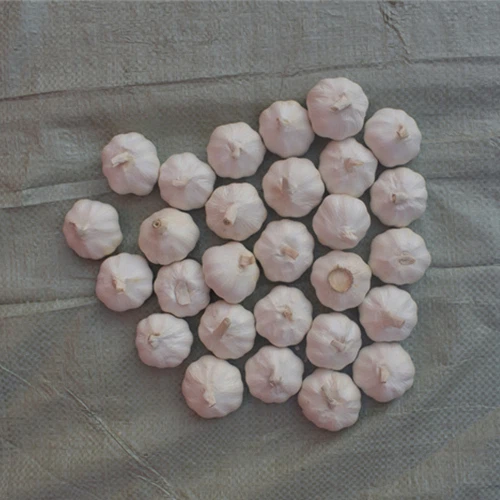
When you open a 1kg bag of our peeled garlic, it's like opening a door to a world of intense aroma. The sheer quantity of garlic in that 1kg bag means there's a whole lot of allicin just waiting to be released. As soon as the bag is open, the allicin starts to vaporize and spread around the kitchen.
The kitchen environment plays a big role in how the garlic smell lingers. Most kitchens are enclosed spaces with limited ventilation. The smell gets trapped in the air, and it can stick to surfaces like countertops, cabinets, and even the walls. The moisture in the kitchen can also help the garlic molecules adhere to these surfaces. For example, if there's steam from cooking on the countertops, the garlic smell can mix with the water droplets and settle there.
Another factor is the heat in the kitchen. When you cook with garlic, the heat speeds up the evaporation of allicin. Whether you're sautéing it in a pan or roasting it in the oven, the heat causes the allicin to turn into a gas more quickly and spread further. And once it's in the air, it can travel through the kitchen and even seep into other parts of the house.
Now, let's talk about why the lingering smell of garlic is actually a good thing. For one, it's a sign of fresh and high - quality garlic. Our 1kg peeled garlic is sourced from the best garlic farms, and the strong smell is a testament to its freshness. When you cook with it, the smell infuses your dishes with a rich, savory flavor that you just can't get from other ingredients.
Garlic is also a staple in many cuisines around the world. From Italian pasta sauces to Asian stir - fries, garlic adds that extra kick of flavor. The lingering smell in the kitchen is like a reminder of the delicious meal you're about to enjoy or have just finished. It creates a warm and inviting atmosphere, making your kitchen feel like a cozy place to cook and gather with family and friends.
If you're a chef or a home cook looking for high - quality peeled garlic, we've got you covered. We offer different types of peeled garlic products. Check out our Bagged Garlic Rice, which is perfect for quick and easy cooking. It's pre - peeled and ready to use, saving you a lot of time in the kitchen.
Our Skinless Garlic is another great option. It's peeled to perfection, so you don't have to deal with the hassle of removing the skin yourself. And if you need a large quantity, our Bulk Peeled Garlic is the way to go. You can stock up on 1kg or more and always have fresh peeled garlic on hand.
The smell of our 1kg peeled garlic is not just a nuisance; it's a sign of quality and flavor. It lingers in the kitchen because of the powerful allicin compound, the kitchen environment, and the cooking process. Whether you're a professional chef or a home cook, our peeled garlic products can take your dishes to the next level.
If you're interested in purchasing our 1kg peeled garlic or any of our other products, don't hesitate to reach out. We're always happy to talk about your needs and help you find the right garlic for your kitchen. Whether you're a small restaurant or a big catering business, we can provide you with the quantity and quality you require.
References:
- Block, E. (1985). The chemistry of garlic and onions. Scientific American, 252(3), 114 - 123.
- Lawson, L. D. (1996). Garlic: The science and therapeutic application of Allium sativum L. and related species. Williams & Wilkins.