

When it comes to enhancing the flavor of dishes, both skinless garlic and scallions are popular choices in kitchens around the world. As a skinless garlic supplier, I've had the opportunity to explore the unique qualities of these two ingredients and understand how they compare in terms of flavor. In this blog post, I'll delve into the characteristics of skinless garlic and scallions, examine their flavor profiles, and discuss how they can be used to elevate your culinary creations.
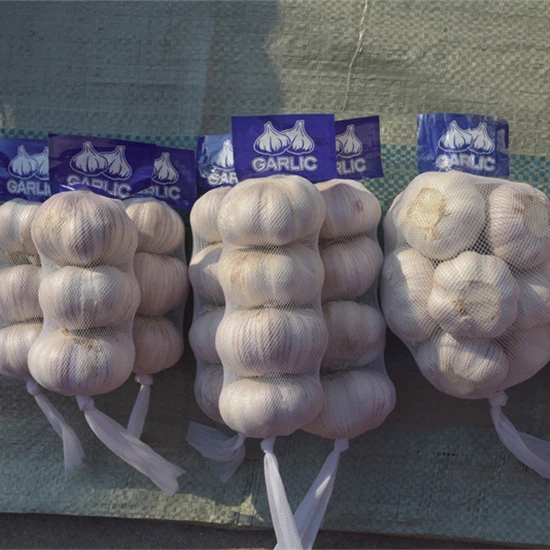

Flavor Profile of Skinless Garlic
Skinless garlic, also known as peeled garlic, offers a bold and pungent flavor that is instantly recognizable. The garlic's natural oils, which are released when the cloves are crushed or chopped, contain sulfur compounds that give it its characteristic aroma and taste. These compounds, such as allicin, not only contribute to the strong flavor of garlic but also have potential health benefits, including antibacterial and antioxidant properties.
The flavor of skinless garlic can vary depending on the variety of garlic used, as well as how it is prepared. Freshly peeled garlic has a sharp, intense flavor that can be overpowering if used in large quantities. However, when cooked, the flavor of garlic mellows and becomes more complex, adding depth and richness to dishes. Roasting garlic, for example, brings out its natural sweetness and creates a creamy, nutty flavor that is perfect for spreading on bread or incorporating into sauces.
As a skinless garlic supplier, we offer a range of Bulk Peeled Garlic options to meet the needs of our customers. Our garlic is carefully selected and peeled to ensure the highest quality and flavor. Whether you're a home cook looking to add a little extra flavor to your meals or a professional chef in need of a reliable source of peeled garlic, we have the perfect solution for you.
Flavor Profile of Scallions
Scallions, also known as green onions or spring onions, have a milder and more delicate flavor compared to garlic. They belong to the same family as onions and garlic but have a sweeter and more subtle taste. The white part of the scallion has a slightly stronger flavor, similar to that of a mild onion, while the green tops are more tender and have a fresh, grassy taste.
Scallions are often used as a garnish to add a pop of color and flavor to dishes. They can be sliced thinly and sprinkled over soups, salads, stir-fries, and sushi, providing a refreshing and aromatic touch. The mild flavor of scallions also makes them a versatile ingredient that can be used in a variety of recipes, from omelets and quiches to dips and dressings.
In addition to their flavor, scallions are also a good source of vitamins and minerals, including vitamin C, vitamin K, and folate. They are low in calories and high in fiber, making them a healthy addition to any diet.
Comparing the Flavors
When comparing the flavors of skinless garlic and scallions, it's important to consider the intensity and complexity of each ingredient. Garlic has a strong, pungent flavor that can dominate a dish if not used carefully. It is best suited for dishes where a bold and robust flavor is desired, such as Italian pasta sauces, Mexican salsas, and Indian curries.
On the other hand, scallions have a milder and more delicate flavor that can complement other ingredients without overpowering them. They are often used to add a fresh and aromatic touch to dishes, making them a popular choice for Asian cuisine, where subtle flavors are highly valued.
Another difference between the two ingredients is their texture. Garlic cloves are firm and have a distinct bite, while scallions are more tender and have a crisp texture. This difference in texture can also affect the way they are used in cooking. Garlic is often crushed, minced, or chopped before being added to dishes, while scallions are usually sliced thinly and used as a garnish or added towards the end of cooking to preserve their fresh flavor.
Culinary Uses
Both skinless garlic and scallions can be used in a variety of culinary applications, but they are often used in different ways. Here are some examples of how these two ingredients can be used to enhance the flavor of your dishes:
Skinless Garlic
- Sauteing: Garlic is a staple in many sauteed dishes, such as stir-fries, vegetable medleys, and meat dishes. Sauteing garlic in oil or butter releases its flavor and adds a delicious aroma to the dish.
- Roasting: Roasted garlic is a versatile ingredient that can be used in a variety of ways. It can be mashed and added to mashed potatoes, spread on bread, or used as a base for sauces and dips.
- Marinating: Garlic is often used in marinades to add flavor and tenderize meat, poultry, and seafood. It can be combined with other ingredients, such as olive oil, vinegar, and herbs, to create a delicious and flavorful marinade.
- Flavoring oils and vinegars: Garlic can be infused into oils and vinegars to create flavored condiments that can be used in a variety of dishes. Simply add a few cloves of garlic to a bottle of oil or vinegar and let it steep for a few days to allow the flavor to develop.
Scallions
- Garnishing: Scallions are commonly used as a garnish to add a pop of color and flavor to dishes. They can be sliced thinly and sprinkled over soups, salads, stir-fries, and sushi, providing a fresh and aromatic touch.
- Adding to salads: Scallions can be added to salads to add a mild onion flavor and a crisp texture. They can be combined with other vegetables, fruits, and dressings to create a delicious and refreshing salad.
- Making dips and spreads: Scallions can be used to make a variety of dips and spreads, such as scallion cream cheese, scallion hummus, and scallion dip. These dips can be served with crackers, vegetables, or bread for a delicious and healthy snack.
- Incorporating into soups and stews: Scallions can be added to soups and stews towards the end of cooking to add a fresh and aromatic flavor. They can be chopped and added to the soup or stew along with other ingredients, such as vegetables, meat, and broth.
Conclusion
In conclusion, both skinless garlic and scallions are valuable ingredients in the kitchen, each with its own unique flavor profile and culinary uses. Garlic offers a bold and pungent flavor that can add depth and richness to dishes, while scallions have a milder and more delicate flavor that can complement other ingredients without overpowering them.
As a skinless garlic supplier, we are committed to providing our customers with the highest quality peeled garlic products. Our Bulk Peeled Garlic is carefully selected and peeled to ensure the best flavor and freshness. We also offer Nitrogen Filled Packaging Of Garlic Rice to extend the shelf life of our products and maintain their quality. And for those who prefer a more convenient option, we have Fresh Garlic Peeled available in a variety of sizes.
If you're interested in learning more about our skinless garlic products or would like to discuss your purchasing needs, please don't hesitate to contact us. We look forward to working with you to enhance the flavor of your culinary creations.
References
- McGee, H. (2004). On Food and Cooking: The Science and Lore of the Kitchen. Scribner.
- Harold, M. (2018). The Flavor Bible: The Essential Guide to Culinary Creativity, Based on the Wisdom of America's Most Imaginative Chefs. Little, Brown and Company.