

Garlic has long been celebrated not only for its culinary versatility but also for its potent antibacterial properties. As a frozen garlic supplier, I've witnessed the growing demand for frozen garlic products in the market. One common question that arises is how freezing impacts the antibacterial properties of garlic. In this blog post, we'll delve into the scientific aspects of this phenomenon to shed light on what happens when garlic is frozen and how it affects its ability to combat bacteria.
The Antibacterial Magic of Fresh Garlic
Fresh garlic contains a compound called allicin, which is the main player responsible for its antibacterial activity. When garlic is crushed or chopped, an enzyme called alliinase converts alliin, a sulfur - containing compound present in garlic, into allicin. Allicin has been shown to have broad - spectrum antibacterial effects against various types of bacteria, including many that are responsible for common infections.
Allicin works by interfering with the bacterial cell's metabolism and function. It can inhibit the growth of bacteria by disrupting their cell membranes, interfering with their DNA synthesis, and inhibiting key enzymes involved in their survival mechanisms. This makes fresh garlic a natural and effective weapon against bacterial threats.
The Process of Freezing Garlic
Before we discuss how freezing affects the antibacterial properties, let's understand the process of freezing garlic. There are different ways to freeze garlic, such as Chopped Frozen Garlic and Freezing Peeled Garlic.
When garlic is frozen, the water inside its cells turns into ice crystals. These ice crystals can cause physical damage to the cell structure. As the water expands during freezing, it can rupture the cell membranes, leading to the release of cellular contents. This physical change can have implications for the antibacterial properties of garlic.
Impact on Allicin Production
One of the primary concerns when freezing garlic is whether it affects the production of allicin. Since allicin is formed from the reaction between alliin and alliinase, any disruption to this process can reduce the antibacterial potency.
The freezing process can inactivate the alliinase enzyme to some extent. The low temperatures slow down the enzymatic reaction that converts alliin to allicin. However, it's important to note that alliin, the precursor of allicin, remains relatively stable during freezing. When the frozen garlic thaws, the alliinase can regain some of its activity, and allicin production can resume, although it may not reach the levels found in fresh garlic.
Some studies have shown that the initial freezing and thawing cycle can cause a decrease in the allicin - forming capacity of garlic. But if the frozen garlic is stored properly at low temperatures, the loss of allicin - forming potential can be minimized over time.
Retention of Antibacterial Activity
Despite the potential impact on allicin production, frozen garlic still retains a significant amount of antibacterial activity. Even if the allicin levels are reduced, other sulfur - containing compounds in garlic may also contribute to its antibacterial properties.
These secondary sulfur compounds can have antibacterial effects through different mechanisms. For example, they can interact with bacterial proteins and disrupt their normal function, or they can act as antioxidants, which can indirectly affect the survival of bacteria by reducing oxidative stress in the environment.
Moreover, the physical damage to the garlic cells during freezing can also have an unexpected benefit. The rupture of cell membranes can make it easier for the antibacterial compounds to be released when the garlic is used in cooking or other applications. This means that although the allicin production may be slightly reduced, the overall antibacterial effect of the released compounds can still be substantial.
Quality and Storage of Frozen Garlic
As a frozen garlic supplier, I understand the importance of quality and proper storage. To maintain the antibacterial properties of frozen garlic, it's crucial to freeze it as soon as possible after harvesting. This helps to preserve the integrity of the alliin and alliinase in the garlic.
The storage temperature also plays a vital role. Garlic should be stored at a consistent, very low temperature, typically around - 18°C or lower. Fluctuations in temperature can accelerate the degradation of allicin - forming capacity and other antibacterial compounds.
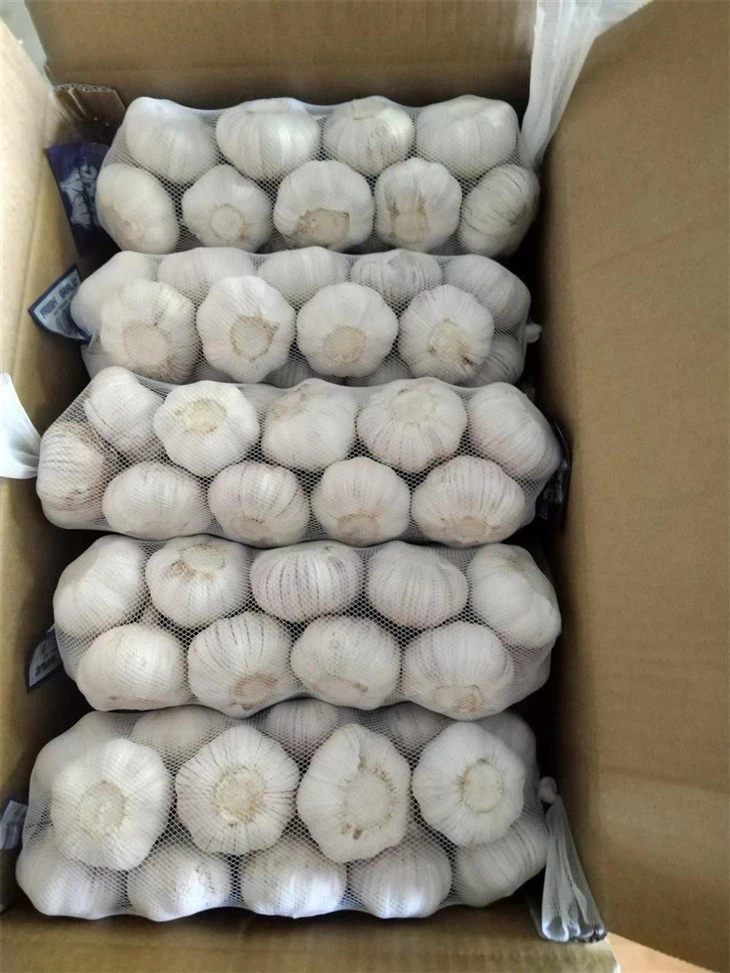
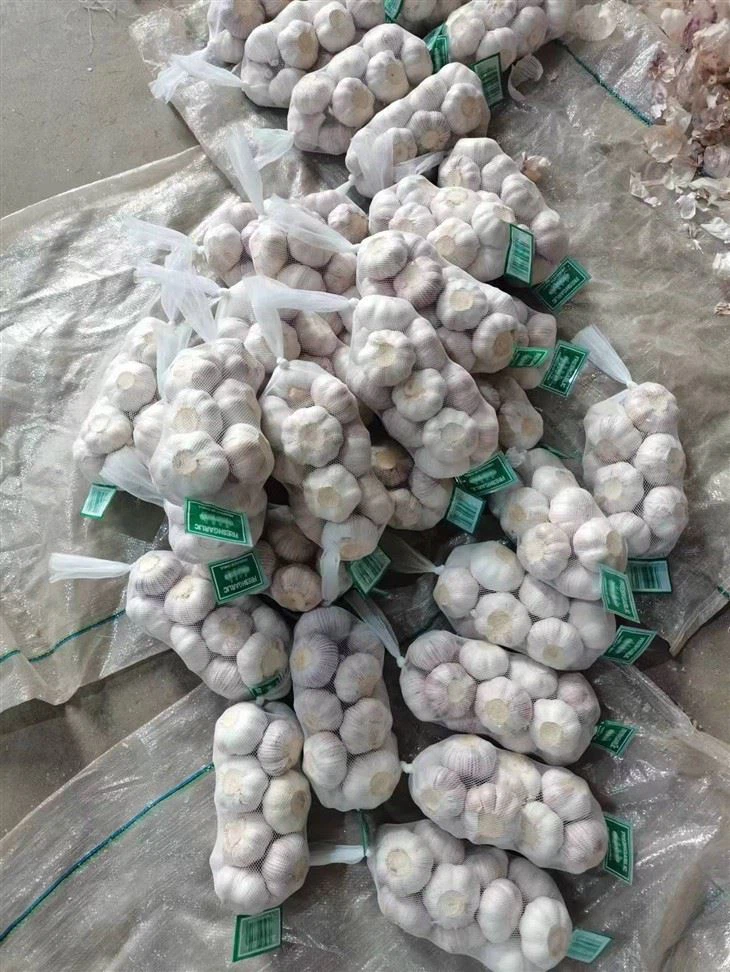
Another factor is the packaging. Using air - tight packaging can prevent oxidation and the loss of volatile sulfur compounds, which are important for the antibacterial activity of garlic. Samll Net Garlic is an example of a well - packaged frozen garlic product that helps to preserve its quality.
Applications of Frozen Garlic with Antibacterial Benefits
Frozen garlic can still be used in a variety of ways to take advantage of its antibacterial properties. In the culinary world, it's a convenient alternative to fresh garlic. You can use it in soups, stews, sauces, and marinades. When added to these dishes, the antibacterial compounds in the frozen garlic can not only enhance the flavor but also contribute to the overall safety and health benefits of the food.
In addition to cooking, frozen garlic can also be used in natural remedies. For example, it can be infused in oil to create a topical application that may help with minor skin infections or as a component in homemade mouthwashes to combat oral bacteria.
Conclusion
In conclusion, while freezing garlic does have an impact on its antibacterial properties, it doesn't completely eliminate them. The production of allicin, the main antibacterial compound in garlic, may be reduced due to the inactivation of the alliinase enzyme and physical damage to the cells during freezing. However, frozen garlic still contains other sulfur - containing compounds that contribute to its antibacterial activity.
Proper harvesting, freezing, storage, and packaging are essential to maintain the antibacterial potency of frozen garlic. As a frozen garlic supplier, we are committed to providing high - quality frozen garlic products that retain as much of their natural antibacterial properties as possible.
If you're interested in purchasing our frozen garlic products for culinary or other applications, we'd love to have a conversation with you. Let's discuss how our Chopped Frozen Garlic, Freezing Peeled Garlic, or Samll Net Garlic can meet your needs. Contact us today to start the procurement negotiation process!
References
- Block, E. "The Chemistry of Allicin and Related Compounds in Garlic." Journal of Agricultural and Food Chemistry.
- Ankri, S., & Mirelman, D. "Antimicrobial Properties of Allium sativum L. (Garlic): A Review." Microbes and Infection.
- Rabinkov, A., et al. "Inhibition of Squalene Synthase by Allicin and its Relevance to Cholesterol - Lowering Activity of Garlic Extracts." The Journal of Biological Chemistry.