

When it comes to enhancing the flavor of a dish, few ingredients can rival the pungent and aromatic allure of garlic. Among various forms of garlic available in the market, bulk peeled garlic stands out as a convenient and versatile option for both home cooks and professional chefs. In this blog, we'll explore how bulk peeled garlic can significantly affect the aroma of a dish, and why it's a must - have for anyone passionate about cooking.
The Science Behind Garlic's Aroma
Garlic owes its distinctive aroma to a group of sulfur - containing compounds, primarily allicin. When garlic cells are damaged, an enzyme called alliinase reacts with alliin, a non - volatile amino acid, to produce allicin. This reaction occurs almost instantaneously and is responsible for the characteristic sharp, spicy smell that hits your nose when you cut or crush garlic.
Allicin is unstable, and it quickly breaks down into a host of other sulfur compounds, such as diallyl sulfide, diallyl disulfide, and diallyl trisulfide. These breakdown products contribute to the complex and rich aroma profile of garlic. Different cooking methods can alter the balance of these compounds, leading to a wide range of garlic - induced aromas in dishes.
Impact of Bulk Peeled Garlic in Different Cooking Stages
Raw Garlic
Using raw bulk peeled garlic adds a bold, assertive aroma and flavor to a dish. In salads, for example, minced or thinly sliced raw garlic can transform a simple bowl of greens into a zesty and flavorful delight. The sharpness of raw garlic cuts through the mildness of lettuce, cucumber, and tomatoes, creating a refreshing and piquant aroma. Similarly, in dips like tzatziki or aioli, raw garlic provides a pungent undertone that layers well with other ingredients like yogurt, mayonnaise, and herbs.
Although raw garlic is extremely aromatic, it can be overpowering if used in excess. When purchasing bulk peeled garlic, it's important to use it judiciously in raw applications to strike the right balance of flavors.
Sautéed Garlic
Sautéing bulk peeled garlic in oil or butter is one of the most common cooking methods. As garlic is cooked over low to medium heat, the sharpness of raw garlic begins to mellow, and a sweet, nutty aroma emerges. The sulfur compounds in garlic are transformed during the sautéing process, creating new flavor and aroma profiles.
Sautéed garlic is often used as a base for many dishes, from pasta sauces to stir - fries. In Italian cuisine, garlic sautéed in olive oil forms the foundation of classic dishes like aglio e olio pasta. The gentle cooking of garlic in oil infuses the oil with its aroma, which then permeates the entire dish. The aroma of sautéed garlic is warm, inviting, and can elevate the simplest of ingredients.
Roasted Garlic
Roasting bulk peeled garlic results in a completely different aroma compared to raw or sautéed garlic. When garlic is roasted at a relatively high temperature, the sugars within the garlic caramelize, and the sulfur compounds break down further. The result is a sweet, buttery, and mellow aroma that is almost addictive.
Roasted garlic can be used in a variety of ways, such as spreading it on bread, adding it to mashed potatoes, or incorporating it into a creamy soup. The aroma of roasted garlic is less aggressive than raw garlic, making it more accessible to those who are sensitive to garlic's sharpness.
Advantages of Using Bulk Peeled Garlic for Aroma Enhancement
Consistency
As a bulk peeled garlic supplier, we ensure that our product offers consistent quality. The cloves are carefully peeled to maintain their integrity, which means that the amount of alliin and alliinase in each clove remains relatively stable. This consistency translates into a reliable aroma in your dishes. Whether you're cooking a small family meal or a large - scale catering event, you can count on our bulk peeled garlic to deliver the same great aroma every time.
Convenience
Peeling garlic can be a time - consuming and laborious task. With bulk peeled garlic, you save valuable time and energy that can be better spent on other aspects of cooking. This convenience allows you to experiment more freely with different recipes and cooking techniques, ultimately leading to more aromatic and flavorful dishes.
Cost - Effectiveness
Buying garlic in bulk is often more cost - effective than purchasing smaller quantities. As a supplier, we are able to offer competitive prices on our bulk peeled garlic, which means you can use more garlic in your cooking without breaking the bank. Using more garlic can enhance the aroma of your dishes, making them more delicious and satisfying.
Different Forms of Bulk Peeled Garlic and Their Aroma Impact
Cloves Of Garlic
Whole peeled garlic cloves are the most straightforward form of bulk peeled garlic. They can be used in a variety of ways, from being added whole to slow - cooked stews to being minced for a quick stir - fry. The intact cloves release their aroma gradually during cooking, infusing the dish with a long - lasting and complex flavor.
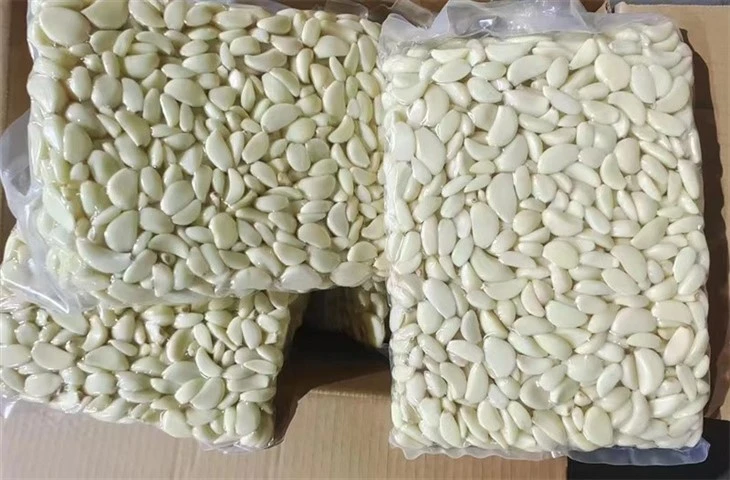

Vacuum Packaged Garlic Rice
Garlic rice is a finely chopped or grated form of garlic. Vacuum - packaging helps to preserve the freshness and aroma of the garlic. The small particle size of garlic rice means that it releases its aroma more quickly than whole cloves. It's perfect for dishes where you want an immediate burst of garlic flavor, such as in a quick - cooking omelette or a marinade.
Bagged Garlic Rice
Bagged garlic rice offers a convenient alternative to vacuum - packaged options. It's also pre - peeled and chopped, making it easy to use. The aroma of bagged garlic rice is similar to that of vacuum - packaged garlic rice, but it may be slightly less intense due to less air - tight packaging. However, it still provides a great way to add garlic aroma to your dishes.
How to Maximize the Aroma of Bulk Peeled Garlic in Your Dishes
- Proper Storage: Store bulk peeled garlic in a cool, dry place. Avoid storing it near strong - smelling foods, as garlic can absorb other odors. If you're not using the garlic immediately, you can also store it in the refrigerator in an airtight container to preserve its freshness and aroma.
- Choose the Right Cooking Method: Depending on the dish you're making, select the appropriate cooking method for your bulk peeled garlic. For a bold, sharp aroma, use raw garlic. For a sweet and mellow aroma, opt for roasting or slow - sautéing.
- Add at the Right Time: When cooking with garlic, the timing of addition is crucial. Adding garlic too early in the cooking process can cause it to burn, resulting in a bitter taste and a loss of aroma. On the other hand, adding it too late may not allow the garlic to fully release its aroma into the dish.
Conclusion
Bulk peeled garlic is a game - changer when it comes to enhancing the aroma of a dish. Whether you're a novice cook looking to add some flavor to your meals or a professional chef aiming to create a culinary masterpiece, the unique aroma of garlic can take your dishes to the next level. With different forms of bulk peeled garlic available, such as Cloves Of Garlic, Vacuum Packaged Garlic Rice, and Bagged Garlic Rice, you can experiment and find the perfect option for your cooking needs.
If you're interested in purchasing high - quality bulk peeled garlic for your restaurant, catering business, or home kitchen, we invite you to reach out for a procurement discussion. We're committed to providing the best products and services to meet your culinary requirements.
References
- Block, E. (1985). The chemistry of garlic and onions. Scientific American, 252(3), 114 - 123.
- Gardner, C. D., et al. (2007). Inhibition of platelet aggregation by botanical actives: a comparison of Echinacea, garlic, ginger, and ginkgo. Phytotherapy Research, 21(3), 194 - 198.
- Lawson, L. D., & Wang, Z. Y. (1994). Composition of sulfur compounds in garlic (Allium sativum L.) as affected by variety, season, and processing. Journal of Agricultural and Food Chemistry, 42(7), 1541 - 1548.