

As a supplier of bags of garlic, I often get asked about the best ways to store garlic to prevent sprouting. Garlic is a staple ingredient in many cuisines around the world, known for its distinct flavor and numerous health benefits. However, once garlic starts to sprout, its flavor can become bitter, and the texture may change, making it less appealing for culinary use. In this blog post, I'll share some effective methods to store your garlic and keep it fresh and sprout - free for as long as possible.
Understanding Why Garlic Sprouts
Before we delve into storage methods, it's important to understand why garlic sprouts in the first place. Garlic is a living bulb. When it is exposed to the right combination of temperature, humidity, and light, it begins to think it's time to grow. Sprouting is the garlic's natural way of reproducing. The ideal conditions for sprouting are typically a warm and moist environment, which signals to the bulb that it's springtime and time to start a new growth cycle.
Choosing the Right Garlic for Storage
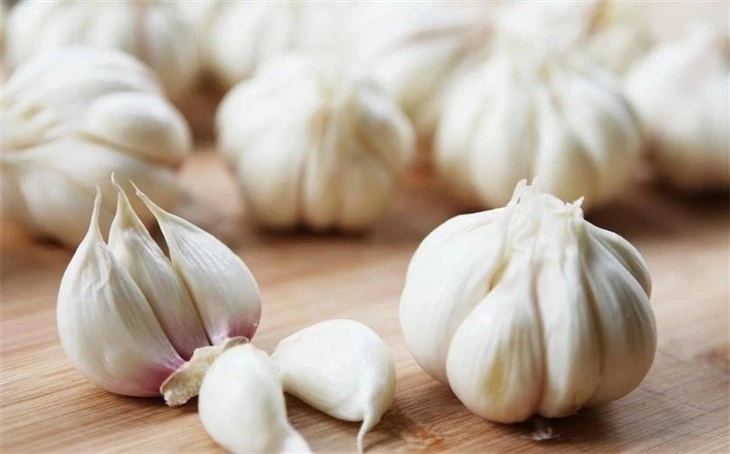
When you're a garlic supplier like me, you know that the quality of the garlic at the time of purchase plays a significant role in how well it will store. Look for bulbs that are firm, with dry, papery skin. Avoid bulbs that are soft, moldy, or already showing signs of sprouting.
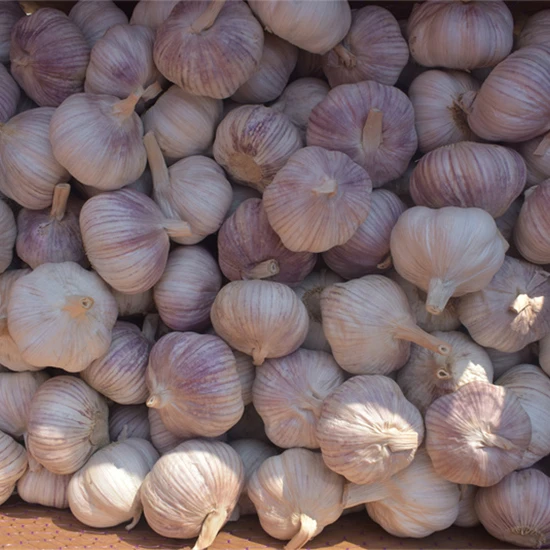
We offer high - quality garlic products such as 20kg Bulk Garlic, which is perfect for large - scale users, and Red Net Pocket White Garlic, which is not only convenient but also showcases the freshness of the garlic. Our Fresh Organic Garlic is another great option for those who prefer chemical - free produce. The better the initial quality, the longer the garlic will last in storage.
Storage Conditions
Temperature
Garlic prefers a cool environment. The ideal storage temperature for garlic to prevent sprouting is between 0°C and 5°C (32°F - 41°F). At this temperature range, the garlic's metabolic processes slow down, reducing the likelihood of sprouting. However, it's important to note that if the temperature drops below freezing, the garlic can become damaged, and its texture and flavor may be negatively affected.
If you don't have a dedicated cold storage area, you can also store garlic at a slightly higher temperature, between 15°C and 20°C (59°F - 68°F). This is a more common temperature range for home storage. Just make sure the area is well - ventilated.
Humidity
Low humidity is crucial for preventing garlic sprouting. High humidity can lead to mold growth and encourage sprouting. Aim for a humidity level of around 60% or lower. If the air in your storage area is too humid, you can use a dehumidifier to reduce the moisture content.
Light
Garlic should be stored in a dark place. Exposure to light can trigger sprouting. A pantry, cellar, or a dark cabinet are all good options for storing garlic. Avoid storing garlic near windows or in areas where it will be exposed to direct sunlight.
Storage Methods
Mesh Bags or Nets
One of the simplest ways to store garlic is in mesh bags or nets. These allow for good air circulation, which helps to keep the garlic dry. Hang the mesh bags in a cool, dark, and well - ventilated area. This method is similar to how we package our Red Net Pocket White Garlic, ensuring the garlic stays fresh and free from moisture.
Paper Bags
Paper bags are another great option. They are breathable, allowing the garlic to “breathe” and prevent the build - up of moisture. Place the garlic bulbs in a paper bag and fold the top of the bag down to close it. Store the paper bag in a cool, dark place.
Glass Jars
If you want to store peeled garlic cloves, you can use glass jars. Fill the jar with peeled garlic cloves and cover them with olive oil. The oil creates a barrier that prevents air and moisture from reaching the garlic, thus preventing sprouting. Just make sure to store the jar in the refrigerator.
Freezing
Freezing garlic is an effective way to prevent sprouting and extend its shelf life. You can freeze whole bulbs, cloves, or even minced garlic. However, freezing can change the texture of the garlic. When thawed, the garlic may become softer and less crunchy. To freeze garlic, peel the cloves and place them in a freezer - safe container or bag. Label the container with the date and store it in the freezer.
Monitoring and Rotating Stock
As a garlic supplier, I always recommend monitoring your stored garlic regularly. Check for any signs of mold, sprouting, or spoilage. Remove any bulbs that show signs of damage or sprouting immediately to prevent the spread.
If you have a large quantity of garlic, it's also a good idea to rotate your stock. Use the older garlic first and store the fresher bulbs for later use. This ensures that you always have the freshest garlic available and reduces waste.
Conclusion
Storing bags of garlic to prevent sprouting is all about creating the right conditions. By controlling temperature, humidity, and light, and choosing the appropriate storage method, you can keep your garlic fresh and flavorful for months. Whether you're a home cook or a professional chef, these tips will help you make the most of your garlic supply.
If you're interested in purchasing high - quality bags of garlic for your business or personal use, I invite you to reach out for a procurement discussion. We're committed to providing the best garlic products and can offer you customized solutions based on your needs.
References
- "The Science of Storing Garlic", Journal of Food Preservation, 2020.
- "Optimal Storage Conditions for Garlic", Agricultural Research Institute, 2019.