

Garlic has been used for centuries not only as a flavorful ingredient in cooking but also for its potential health benefits. It's rich in antioxidants and has antibacterial, antiviral, and anti - inflammatory properties. As a garlic supplier, I've encountered many customers who are interested in the health aspects of garlic. One question that often comes up is whether garlic interacts with any medications. In this blog, we'll explore this important topic to help you make informed decisions about using garlic alongside your medications.
How Garlic Works in the Body
Before delving into potential interactions, it's essential to understand how garlic affects the body. Garlic contains a compound called allicin, which is responsible for many of its health - promoting effects. When garlic is crushed or chopped, an enzyme called alliinase converts alliin into allicin. Allicin has been shown to lower blood pressure, reduce cholesterol levels, and boost the immune system.
Potential Interactions with Blood - Thinning Medications
One of the most well - known potential interactions of garlic is with blood - thinning medications such as warfarin (Coumadin), aspirin, and clopidogrel (Plavix). Garlic has natural blood - thinning properties. It can inhibit platelet aggregation, which means it makes your blood less likely to clot. While this can be beneficial for some people in preventing blood clots, it can be dangerous when combined with blood - thinning medications.
Taking garlic supplements or consuming large amounts of garlic while on these medications can increase the risk of bleeding. For example, excessive bleeding from minor cuts or bruises may occur, and there's also a higher risk of internal bleeding. If you're taking blood - thinning medications, it's crucial to consult your doctor before adding significant amounts of garlic to your diet.
Interaction with Antihypertensive Medications
Garlic has been found to have a mild blood - pressure - lowering effect. If you're taking antihypertensive medications to control high blood pressure, combining them with garlic could potentially cause your blood pressure to drop too low. This can lead to symptoms such as dizziness, fainting, and fatigue.
For instance, if you're on medications like lisinopril or amlodipine and start consuming large quantities of garlic, your doctor may need to adjust your medication dosage. Always inform your healthcare provider if you plan to use garlic as a natural way to manage blood pressure while on antihypertensive drugs.
Impact on Antidiabetic Medications
Garlic may also affect blood sugar levels. Some studies suggest that garlic can lower blood glucose levels. If you're taking antidiabetic medications like metformin or insulin, adding garlic to your diet could enhance the blood - sugar - lowering effect of these drugs. This can result in hypoglycemia, or low blood sugar.
Symptoms of hypoglycemia include shakiness, sweating, confusion, and rapid heartbeat. If you have diabetes and want to incorporate garlic into your diet, work closely with your doctor to monitor your blood sugar levels and adjust your medication as needed.
Interaction with HIV/AIDS Medications
There's some evidence to suggest that garlic may interact with certain HIV/AIDS medications. Garlic can affect the activity of enzymes in the liver that are responsible for metabolizing drugs. This can either increase or decrease the concentration of the medication in your body, potentially reducing its effectiveness or increasing the risk of side effects.
For example, if you're taking protease inhibitors, garlic could interfere with their metabolism. If you're living with HIV/AIDS and considering using garlic, it's vital to have a discussion with your healthcare team.
Safe Ways to Use Garlic
Despite these potential interactions, garlic can still be a healthy addition to your diet. If you're not taking any medications, you can enjoy garlic in moderate amounts as part of a balanced diet. Our Packaged Purple - skinned Garlic is a great option. It has a unique flavor and is convenient to use in various recipes.
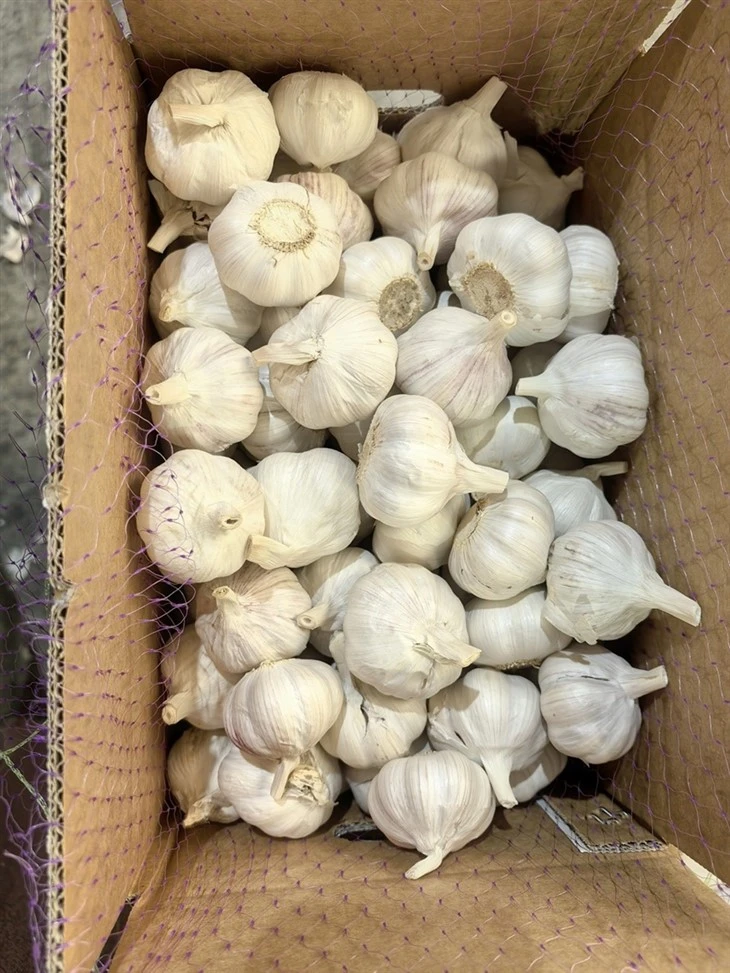
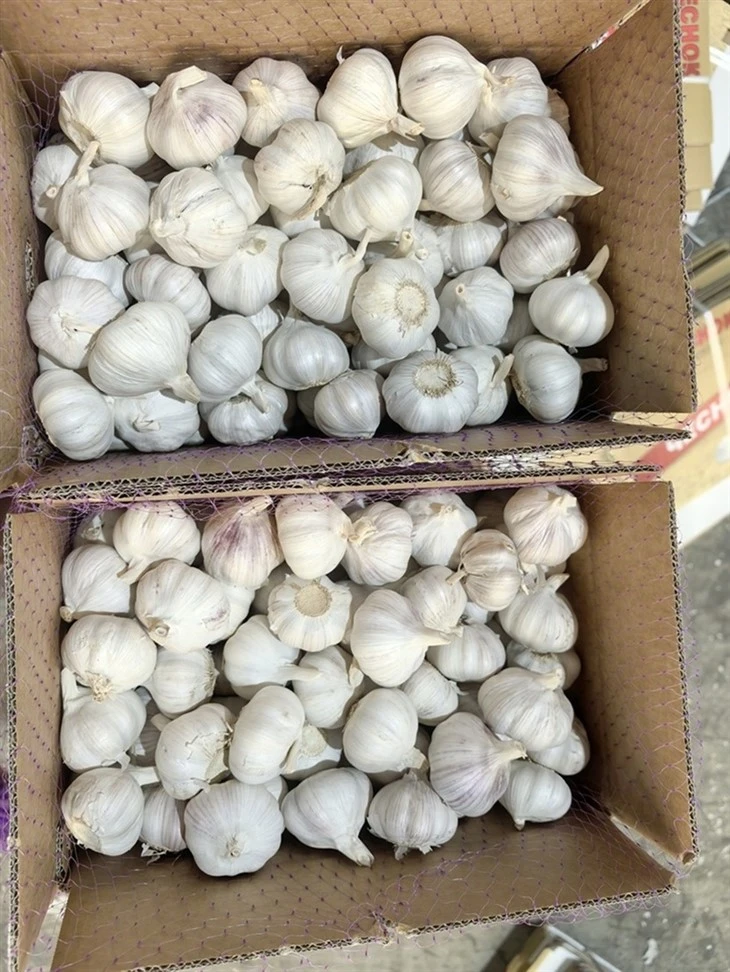
If you're on medications, it's best to consume garlic in small amounts as a spice in cooking. For example, adding a clove or two of garlic to your daily meals is usually safe. You can also consider our Nice Mix Garlic, which is a blend of different types of garlic, adding a delicious touch to your dishes.
The Role of Garlic Supplements
Garlic supplements are also popular, but they can be more potent than fresh garlic. If you're considering taking garlic supplements, especially if you're on medications, it's even more important to consult your doctor. Supplements often contain standardized amounts of allicin or other active compounds, and their effects can be more predictable compared to fresh garlic. However, they also carry a higher risk of interactions.
When to Consult a Healthcare Provider
If you're unsure whether garlic will interact with your medications, it's always best to consult your doctor or a pharmacist. They can provide personalized advice based on your specific medical history and the medications you're taking. They may also recommend a safe dosage of garlic or suggest alternative ways to obtain the health benefits of garlic.
Conclusion
As a garlic supplier, I'm passionate about the many benefits of garlic. However, it's crucial to be aware of its potential interactions with medications. By understanding these interactions and consulting with your healthcare provider, you can safely enjoy the flavor and health benefits of garlic.
If you're interested in purchasing high - quality garlic products, we offer a wide range of options, including Nice Bulk Garlic. Whether you're a home cook or a restaurant owner, our garlic products are sure to meet your needs. If you have any questions or would like to discuss purchasing options, please reach out to us. We're here to help you make the best choices for your culinary and health needs.
References
- "Garlic and Drug Interactions: A Review of the Literature." Journal of Medicinal Food.
- "The Effects of Garlic on Cardiovascular Health." American Heart Association.
- "Garlic and Blood Glucose Control: A Meta - analysis." Diabetes Care.