

As a fresh garlic supplier, I've often been asked about the antibacterial properties of the garlic we offer. Garlic has been used for centuries not only as a culinary delight but also for its potential health benefits. In this blog post, I'll delve into the scientific evidence behind the antibacterial claims of fresh garlic and explore how it can be a valuable addition to your diet and daily life.
The Science Behind Garlic's Antibacterial Potential
Garlic (Allium sativum) contains a variety of bioactive compounds, with allicin being one of the most well - known. When garlic is crushed or chopped, an enzyme called alliinase converts alliin, a sulfur - containing compound, into allicin. Allicin is a highly reactive molecule with strong antibacterial, antifungal, and antiviral properties.
Numerous scientific studies have investigated the antibacterial effects of allicin. For example, a study published in the Journal of Antimicrobial Chemotherapy found that allicin was effective against a wide range of bacteria, including Escherichia coli (E. coli) and Staphylococcus aureus. These are common bacteria that can cause various infections in humans, from urinary tract infections to skin infections.

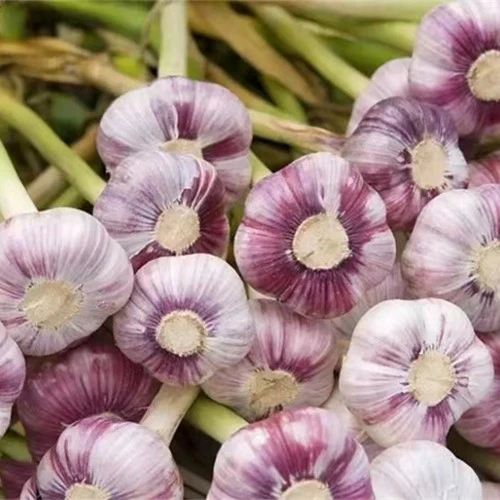
Another research in the International Journal of Food Microbiology showed that garlic extracts could inhibit the growth of food - borne pathogens such as Salmonella and Listeria. This is particularly important in the food industry, as these pathogens can cause serious food - borne illnesses.
The antibacterial action of allicin is thought to occur through several mechanisms. It can disrupt the cell membranes of bacteria, interfere with their metabolic processes, and inhibit the synthesis of essential proteins. This multi - pronged approach makes it difficult for bacteria to develop resistance to allicin, unlike many traditional antibiotics.
Our Fresh Garlic Offerings
At our company, we take pride in providing high - quality fresh garlic. We offer a diverse range of garlic products, each with its unique characteristics.
Fresh Wild Garlic
Our Fresh Wild Garlic is sourced from natural habitats where it grows in the wild. This type of garlic has a more intense and complex flavor compared to cultivated garlic. It is rich in nutrients and bioactive compounds, including allicin. The wild environment in which it grows may also contribute to a higher concentration of certain beneficial substances. Fresh wild garlic can be used in a variety of dishes, from salads to soups, adding a distinct and delicious flavor while potentially providing antibacterial benefits.
4.5cm Garlic
Our 4.5cm Garlic is a carefully selected variety. It has a medium - sized bulb, which is easy to handle and use in cooking. This garlic has a balanced flavor, not too overpowering but still with a good amount of pungency. The size also ensures that it has a consistent quality and flavor profile. Whether you're making a simple pasta sauce or a complex curry, the 4.5cm garlic can be a great addition to your recipes.
Freshly Picked Garlic
Our Freshly Picked Garlic is harvested at the peak of freshness. We ensure that it reaches our customers as quickly as possible to preserve its nutritional value and flavor. Freshly picked garlic contains the highest levels of allicin, as the alliinase enzyme is most active right after harvesting. This means that it may have the strongest antibacterial properties among our offerings. You can use it in any dish where you want to add a fresh and healthy kick.
Incorporating Fresh Garlic into Your Diet
There are many ways to incorporate fresh garlic into your diet to take advantage of its antibacterial properties.
In Cooking
Garlic is a staple ingredient in many cuisines around the world. You can add crushed or minced garlic to your stir - fries, sautéed vegetables, or meat dishes. It not only enhances the flavor but also provides potential health benefits. For example, in Italian cuisine, garlic is often used in pasta sauces, while in Asian cuisine, it is a key component in many marinades and curries.
As a Condiment
You can make a simple garlic paste by crushing garlic cloves with a little bit of salt and olive oil. This paste can be used as a spread on bread, added to dips, or used as a topping for pizza. It's a quick and easy way to get the antibacterial benefits of garlic.
In Drinks
Some people also like to add garlic to their drinks. For example, you can make a garlic and lemon tea by steeping crushed garlic cloves and lemon slices in hot water. This drink is not only refreshing but may also help boost your immune system.
The Importance of Freshness
It's important to note that the antibacterial properties of garlic are highly dependent on its freshness. As garlic ages or is processed, the alliinase enzyme that converts alliin to allicin can become less active. This means that the amount of allicin produced decreases, reducing the antibacterial potential of the garlic.
When you buy our fresh garlic, you can be assured of its high - quality and freshness. We follow strict harvesting and storage procedures to ensure that the garlic retains its nutritional value and flavor. Our commitment to freshness means that you get the maximum antibacterial benefits from the garlic you purchase.
Conclusion
In conclusion, fresh garlic does have significant antibacterial properties, thanks to the presence of allicin. Scientific research has shown that it can be effective against a wide range of bacteria, both in vitro and in food systems. As a fresh garlic supplier, we are dedicated to providing you with the best - quality garlic products that can not only enhance your cooking but also contribute to your health.
If you're interested in purchasing our fresh garlic products or have any questions about their antibacterial properties, we'd love to hear from you. Whether you're a home cook looking to add more flavor and health benefits to your meals or a food business in need of high - quality ingredients, we can provide the right solutions for you. Contact us today to start a discussion about your garlic procurement needs and explore how our fresh garlic can be a valuable addition to your operations.
References
- Ankri, S., & Mirelman, D. (1999). Antimicrobial properties of allicin from garlic. Microbes and infection, 1(12), 1257 - 1264.
- Tsao, R., & Yin, Y. (2001). Antimicrobial activity of garlic extracts against food - borne pathogens. International Journal of Food Microbiology, 64(1), 119 - 126.
- Cavallito, C. J., & Bailey, J. H. (1944). Allicin, the antibacterial principle of Allium sativum. I. Isolation, physical properties and antibacterial action. Journal of the American Chemical Society, 66(10), 1950 - 1951.