

As a seasoned frozen garlic supplier, I often get asked about the viability of using frozen garlic in various recipes. One question that comes up quite frequently is whether frozen garlic can be used in a garlic couscous recipe. In this blog post, I'll explore this topic in depth, drawing on scientific knowledge and my own industry experience.
The Basics of Garlic in Cooking
Garlic is a staple ingredient in many cuisines around the world, prized for its pungent flavor and numerous health benefits. When it comes to cooking, fresh garlic is often the first choice for many chefs and home cooks. It has a sharp, intense flavor that can add depth and complexity to a dish. However, fresh garlic also has a relatively short shelf life and needs to be stored properly to prevent spoilage.
Frozen garlic, on the other hand, offers several advantages. It has a longer shelf life, which means you can always have garlic on hand without worrying about it going bad. It's also convenient, as it can be easily portioned and stored in the freezer. But the big question is, does it work as well as fresh garlic in a garlic couscous recipe?

The Science of Garlic Flavor
To understand whether frozen garlic can be used in a garlic couscous recipe, it's important to understand the science behind garlic flavor. The flavor of garlic comes from a group of sulfur - containing compounds, such as allicin. When garlic is chopped or crushed, an enzyme called alliinase is activated, which converts alliin into allicin. Allicin is responsible for the characteristic pungent flavor of garlic.
The freezing process can have an impact on these compounds. When garlic is frozen, the water inside the cells expands, which can break the cell walls. This can cause some of the enzymes and flavor compounds to be released. However, some studies suggest that freezing may also lead to a slight loss of allicin over time. But this loss is often minimal, especially if the garlic is stored properly in the freezer.
Using Frozen Garlic in Garlic Couscous
Now, let's get to the heart of the matter: using frozen garlic in a garlic couscous recipe. Couscous is a North African dish made from semolina grains. A garlic couscous recipe typically involves cooking the couscous with garlic, along with other ingredients like onions, olive oil, and herbs.
Flavor Considerations
Frozen garlic can work well in a garlic couscous recipe. When you add frozen garlic to the hot oil or liquid in the recipe, it quickly thaws and releases its flavor. The flavor may be slightly different from fresh garlic, but it can still provide a delicious garlicky taste to the couscous.
One advantage of using frozen garlic is that it can be easily minced or grated even when frozen. This can save you time compared to peeling and chopping fresh garlic. You can simply take out the amount of frozen garlic you need, grate it, and add it directly to the recipe.
Texture Considerations
In terms of texture, frozen garlic may be a bit softer than fresh garlic when it thaws. However, in a garlic couscous recipe, this is usually not a problem. The couscous itself has a soft, fluffy texture, and the garlic is just one of the many ingredients contributing to the overall dish. The softness of the frozen garlic can blend well with the other components of the couscous.
Our Frozen Garlic Products
As a frozen garlic supplier, we offer a range of high - quality frozen garlic products. Our garlic is sourced from the best farms and processed using state - of - the - art freezing technology to preserve its flavor and nutritional value.
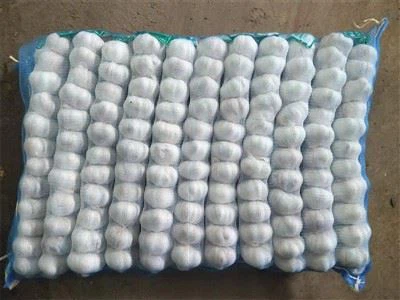
We have Pallet Transporting White Garlic, which is ideal for large - scale production or for customers who need a large quantity of frozen garlic. Our pallet transportation ensures that the garlic arrives at your location in perfect condition.
Our 5p Garlic is another popular product. It is carefully selected and processed to meet the highest quality standards. The 5p garlic is known for its excellent flavor and consistent quality, making it a great choice for your garlic couscous recipe.
We also offer Garlic In Cold Storage. Our cold storage facilities are designed to maintain the optimal temperature and humidity for storing frozen garlic, ensuring that it retains its flavor and freshness for as long as possible.
Tips for Using Frozen Garlic in Garlic Couscous
- Proportion: Use the same amount of frozen garlic as you would fresh garlic in the recipe. However, if you're unsure, you can start with a slightly smaller amount and adjust according to your taste.
- Cooking Time: Since frozen garlic thaws quickly in hot oil or liquid, you don't need to cook it for a long time. Just add it to the hot oil at the beginning of the cooking process and stir it around for a minute or two until it releases its flavor.
- Storage: Keep your frozen garlic in the freezer until you're ready to use it. Make sure to seal the packaging tightly after each use to prevent freezer burn.
Conclusion
In conclusion, yes, you can definitely use frozen garlic in a garlic couscous recipe. While there may be some minor differences in flavor and texture compared to fresh garlic, frozen garlic can still provide a delicious garlicky taste to your couscous. It offers the convenience of long - term storage and easy preparation.
If you're interested in purchasing our high - quality frozen garlic products for your garlic couscous recipes or other culinary creations, we'd love to hear from you. Whether you're a home cook looking for a convenient ingredient or a restaurant owner in need of a reliable supply, we can meet your needs. Contact us today to start a procurement discussion and discover the benefits of using our frozen garlic in your cooking.
References
- Block, E. (1985). The chemistry of garlic and onions. Scientific American, 252(3), 114 - 123.
- Lawson, L. D. (1996). Composition and analysis of garlic and garlic products. In Allium vegetables: chemistry, nutrition, and health effects (pp. 1 - 17). American Chemical Society.
- Rabinkov, A., Mirelman, D., Wilchek, M., & Miron, T. (1998). Antibacterial activity of allicin from garlic. Microbios, 93(373), 195 - 200.