

Hey there! As a stored garlic supplier, I often get asked a bunch of questions about garlic storage. One query that pops up quite a bit is, "Can I store garlic in a shed?" Well, let's dig into this topic and find out if a shed is a good spot for your garlic stash.
First off, let's talk about what garlic needs to stay fresh and in good condition. Garlic is a pretty hardy bulb, but it has its preferences when it comes to storage. It likes a cool, dry, and well - ventilated place. The ideal temperature for storing garlic is between 60°F and 65°F (15°C and 18°C), and the humidity should be relatively low, around 60% to 70%. If the conditions are too warm, garlic can start to sprout or rot. And if it's too humid, mold can grow on the bulbs, which is a big no - no.
Now, let's take a look at a shed. Sheds can vary a lot in terms of their environment. Some are well - insulated and can maintain a relatively stable temperature, while others are more like open boxes that are at the mercy of the outside weather.
Pros of Storing Garlic in a Shed
-
Ventilation: Many sheds have some form of ventilation, whether it's through small windows or gaps in the walls. Good ventilation is crucial for garlic storage because it helps to prevent the build - up of moisture around the bulbs. When air can circulate freely, it reduces the risk of mold and mildew growth. For example, if your shed has a couple of small vents near the roof, the warm, moist air can rise and escape, keeping the air inside the shed fresh and dry.
-
Separation: Storing garlic in a shed means you can keep it separate from other food items in your main house. This is great because garlic has a strong odor that can sometimes seep into other foods, especially if they're stored in close proximity. So, having a dedicated space in the shed for your garlic can prevent your other groceries from smelling like garlic.
-
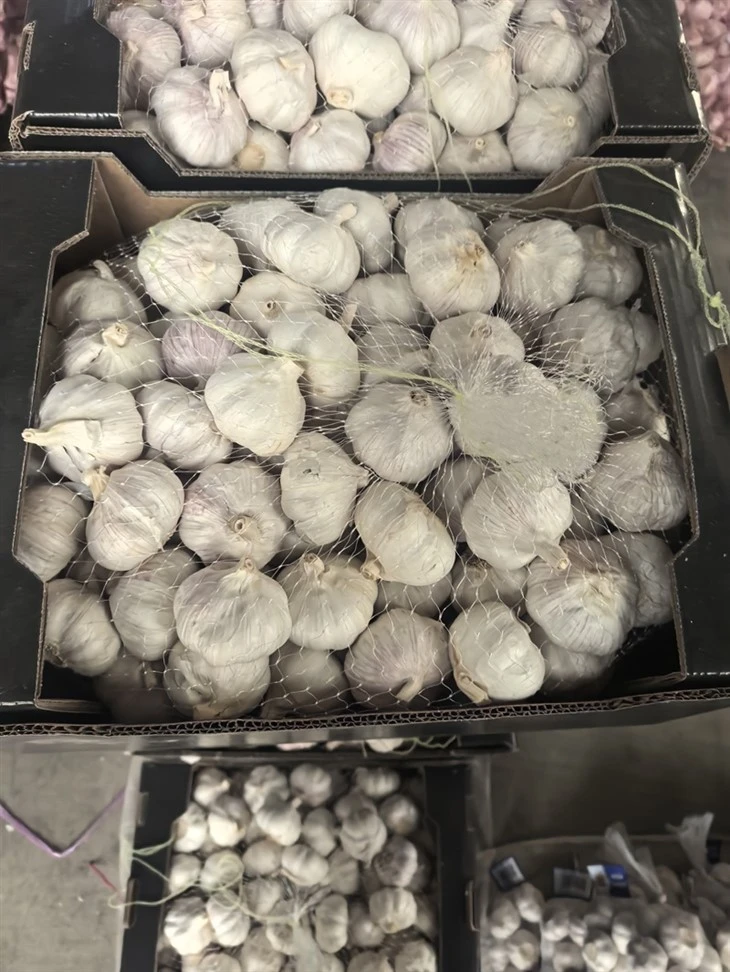
Space: Sheds usually offer more space compared to the storage areas in your home. If you're a garlic supplier like me, or if you just buy garlic in large quantities, having extra space to spread out the bulbs can be a real advantage. You can store them in crates or mesh bags, allowing air to reach each bulb.
Cons of Storing Garlic in a Shed
- Temperature Fluctuations: One of the biggest challenges with storing garlic in a shed is temperature control. Depending on where you live, sheds can get extremely hot in the summer and very cold in the winter. If the temperature in the shed rises above 70°F (21°C) for an extended period, the garlic may start to sprout. And if it drops below freezing in the winter, the bulbs can freeze and become mushy.
- Pests: Sheds can be a haven for pests like mice, rats, and insects. These critters love to nibble on garlic bulbs, and if they get into your storage area, they can quickly ruin your entire supply. You'll need to take extra precautions to keep pests out, such as sealing up any holes or cracks in the shed and using pest - deterrent methods.
- Humidity: Some sheds can be quite humid, especially if they're not well - ventilated or if they're located in a damp area. High humidity can lead to mold growth on the garlic, which not only makes the bulbs look unappealing but also makes them inedible.
Tips for Storing Garlic in a Shed
If you've decided that you want to give it a go and store garlic in your shed, here are some tips to help you do it right:
- Prepare the Shed: Before you bring in the garlic, clean the shed thoroughly. Remove any debris, old leaves, or dirt that could harbor pests or mold. You may also want to consider treating the shed with a natural pest repellent, like cedar chips or peppermint oil, to keep bugs away.
- Use the Right Containers: Store your garlic in breathable containers, such as mesh bags or wooden crates. Avoid using plastic bags, as they can trap moisture and cause the garlic to rot. Make sure the containers are elevated off the ground to prevent moisture from seeping in.
- Monitor the Conditions: Check the temperature and humidity in the shed regularly. You can use a simple thermometer and hygrometer to keep track. If the temperature or humidity gets too high or too low, you may need to take steps to adjust it. For example, if it's too hot, you can open the windows or use a fan to increase ventilation.
- Inspect the Garlic: Periodically check your garlic for signs of sprouting, mold, or rot. Remove any bulbs that are starting to go bad to prevent the problem from spreading to the rest of the batch.
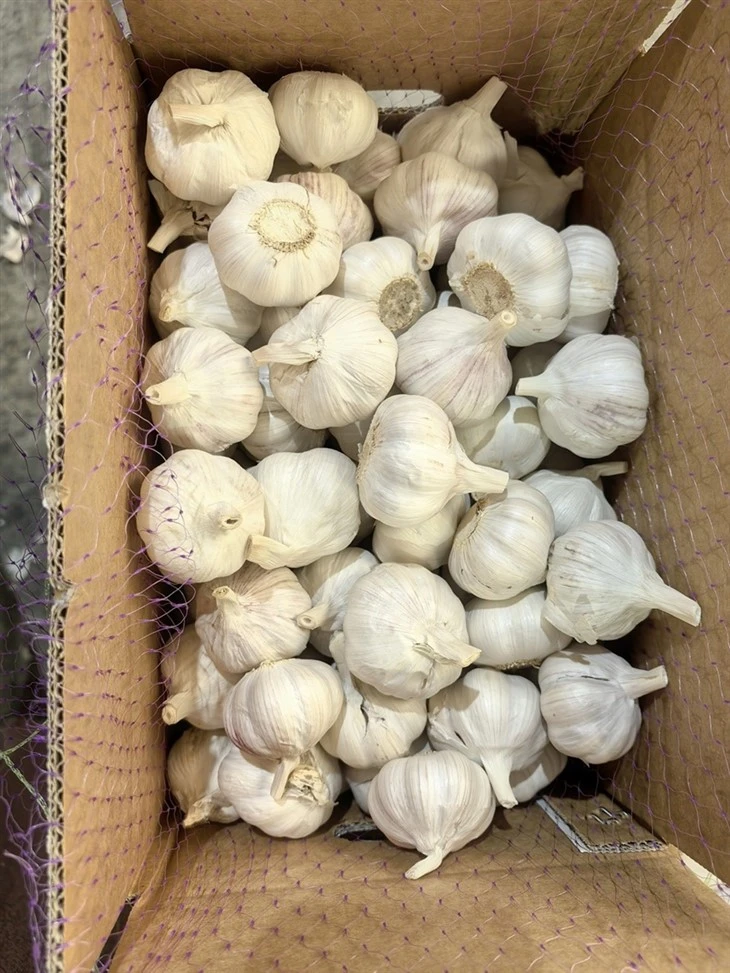
As a garlic supplier, I know how important it is to have high - quality garlic. That's why I always make sure to store my garlic in the best possible conditions. If you're looking for some great garlic options, check out Nice Bulk Garlic and Bulk Garlic on our website. We also have Fresh Garlic in The Box for those who prefer pre - packaged garlic.
If you're interested in purchasing garlic from us, whether it's for personal use or for your business, don't hesitate to reach out. We're always happy to have a chat about our products and discuss your needs. Whether you're a restaurant owner looking to stock up on fresh garlic or a home cook who loves to experiment in the kitchen, we've got you covered.
In conclusion, storing garlic in a shed can be done, but it comes with its challenges. By understanding the needs of garlic and taking the right precautions, you can successfully store your garlic in a shed and keep it fresh for a long time.
References
- "The Complete Guide to Vegetable Storage" by The Old Farmer's Almanac
- "Garlic Storage and Preservation" - University Extension Publications