

Hey there! I'm a supplier of stored garlic, and I often get asked a bunch of questions about how to store garlic properly. One question that pops up a lot is, "Can I store garlic in a basement?" Well, let's dig into this topic and find out the ins and outs of basement garlic storage.
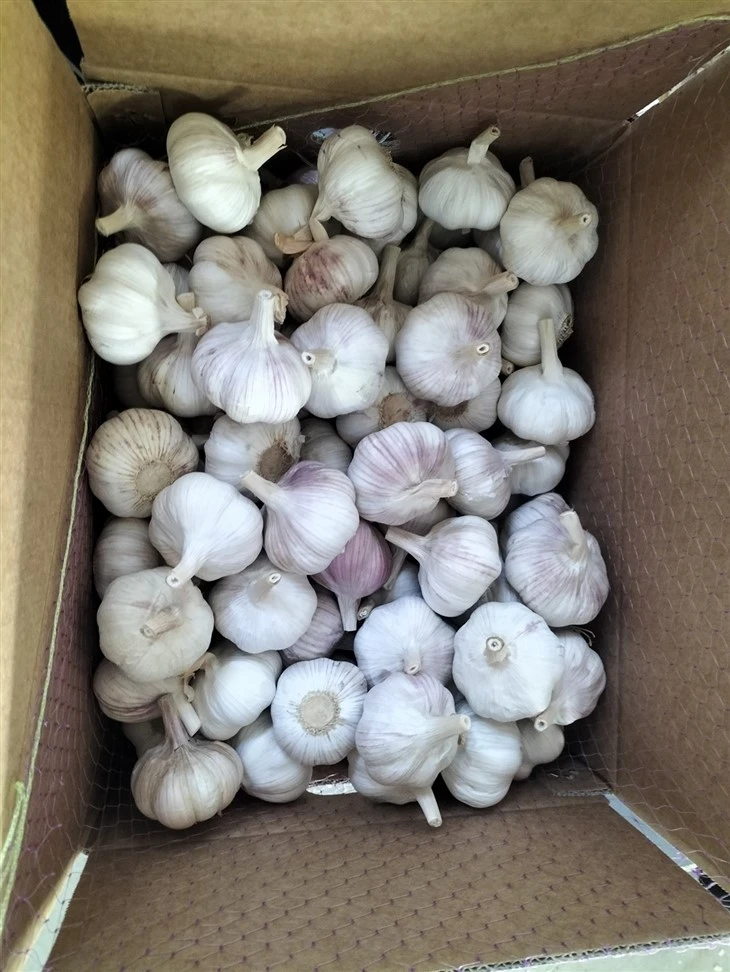
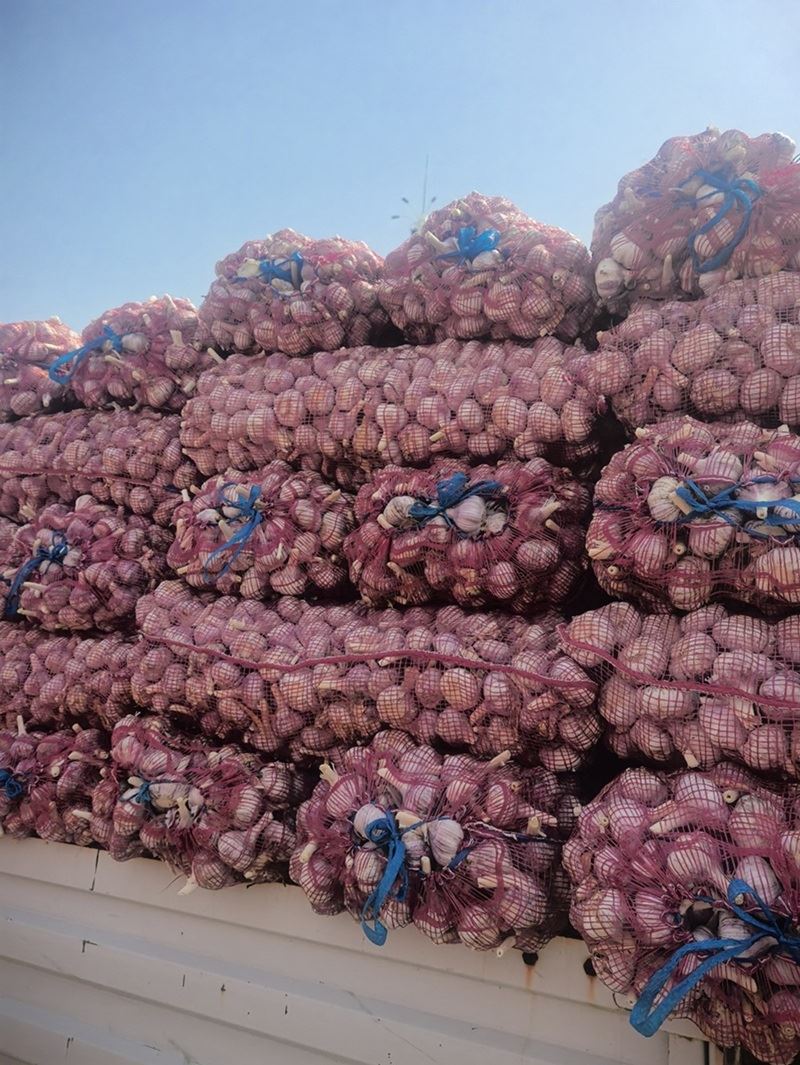
First off, let's talk about why the basement seems like a logical place to store garlic. Basements are usually cooler than the rest of the house, and they're often dark. These two factors - cool temperatures and low light - are super important for storing garlic. Garlic doesn't like it when it's too hot or when it's exposed to a lot of light. When garlic is stored in a warm and bright environment, it can start to sprout or even rot pretty quickly.
Now, the ideal temperature for storing garlic is between 32°F and 60°F (0°C and 15.5°C). Most basements tend to stay within this temperature range, especially during the fall and winter months. That's a big plus! The cool air in the basement helps to slow down the natural aging process of the garlic. When garlic ages slowly, it retains its flavor and texture for a longer period.
Another thing about basements is that they're usually quite dry. Garlic hates moisture. If garlic gets wet, it can develop mold or mildew, which will ruin the whole batch. A dry basement helps to keep the garlic dry and free from these moisture - related problems. However, you need to make sure that your basement isn't too dry. If the air is extremely dry, the garlic can dry out too much, become shriveled, and lose its taste.
But, not all basements are created equal. Some basements can be damp, especially if there are issues with water seepage or poor ventilation. If your basement has a high humidity level, it's not a good place to store garlic. High humidity can cause the garlic to rot or develop mold. You can use a hygrometer to measure the humidity in your basement. Ideally, the humidity level should be between 60% and 70%. If it's higher than that, you might need to take some steps to reduce the humidity, like using a dehumidifier.
Ventilation is also key. Garlic needs fresh air to breathe. If the basement is stuffy and there's no proper air circulation, the garlic can start to develop an off - smell and may even spoil. You can open windows in the basement from time to time or use a small fan to keep the air moving.
Now, let's talk about how to actually store the garlic in the basement. You don't want to just throw the garlic in a pile. You should store it in a well - ventilated container. Mesh bags are great for storing garlic. They allow air to circulate around the garlic cloves, which helps to keep them fresh. You can also use wooden crates or baskets. Just make sure that there are holes or gaps in the container to allow air to flow.
When you're storing garlic in the basement, keep it off the floor. The floor in the basement can be cold and damp, which isn't good for the garlic. You can use shelves or pallets to elevate the garlic containers. This way, the garlic is less likely to be affected by any moisture that might seep through the floor.
As a garlic supplier, I've got some great garlic products to offer. Check out our 2025 New Garlic. It's freshly harvested and has a wonderful flavor. We also have Fine Garlic in Carton, which is carefully selected and packed for long - term storage. And if you're looking for a variety, our Nice Mix Garlic is a great option.
If you're a restaurant owner, a grocery store manager, or just someone who loves cooking with garlic and wants to buy in bulk, we'd love to talk to you. Whether you're interested in storing the garlic in your own basement or need us to handle the storage and delivery, we can work out a great deal for you.
Contact us to discuss your garlic procurement needs. We're here to make sure you get the best - quality garlic at the most reasonable prices.
References:
- "The Complete Guide to Vegetable Storage" by Susan McClure
- "Gardening Know - How: Storing Garlic"