

Cholesterol is a waxy, fat-like substance found in all cells of the body. While our bodies need cholesterol to make hormones, vitamin D, and substances that help digest food, high levels of cholesterol in the blood can increase the risk of heart disease. With the growing interest in natural remedies to manage cholesterol levels, garlic has emerged as a potential dietary addition. As a garlic supplier, I've witnessed the increasing demand for garlic not just for its culinary uses but also for its potential health benefits. In this blog, we'll delve into the scientific research to answer the question: Can garlic lower cholesterol?
The History of Garlic in Medicine
Garlic (Allium sativum) has a long - standing history in traditional medicine. Ancient Egyptians, Greeks, Romans, and Chinese civilizations used garlic to treat a variety of ailments. In ancient Egypt, garlic was fed to laborers building the pyramids to enhance their strength and endurance. It was also used to treat wounds, infections, and digestive issues.
In traditional Chinese medicine, garlic was believed to have properties that could expel toxins from the body and promote good health. These historical uses suggest that garlic has been recognized for its medicinal value for thousands of years. But what does modern science say about its ability to lower cholesterol?
The Active Compounds in Garlic
Garlic contains several bioactive compounds that are thought to contribute to its potential health benefits. The most well - known of these is allicin. When garlic is crushed or chopped, an enzyme called alliinase converts alliin (a sulfur - containing amino acid) into allicin. Allicin is responsible for the characteristic smell of garlic and has been shown to have antibacterial, antifungal, and antioxidant properties.
Other sulfur - containing compounds in garlic, such as diallyl sulfide and diallyl disulfide, also play a role. These compounds are believed to have anti - inflammatory effects and may help in reducing cholesterol levels.
Scientific Studies on Garlic and Cholesterol
Numerous studies have been conducted to investigate the relationship between garlic consumption and cholesterol levels. Some of these studies have shown promising results.
A meta - analysis of 13 randomized controlled trials published in the Journal of Nutrition found that garlic supplementation significantly reduced total cholesterol and low - density lipoprotein (LDL) cholesterol, often referred to as "bad" cholesterol. The analysis showed that garlic supplementation led to an average reduction of 7.4 mg/dL in total cholesterol and 5.5 mg/dL in LDL cholesterol.
Another study published in the Archives of Internal Medicine followed 192 patients with moderately high cholesterol levels. The patients were divided into four groups: one group received a placebo, and the other three groups received different doses of garlic powder. After 12 weeks, the groups taking garlic powder showed a significant reduction in total cholesterol compared to the placebo group.
However, not all studies have shown consistent results. Some studies have found no significant effect of garlic on cholesterol levels. For example, a large - scale study published in the Annals of Internal Medicine followed 192 patients with high cholesterol for six months. The patients were given either garlic powder supplements or a placebo. At the end of the study, there was no significant difference in cholesterol levels between the two groups.
The inconsistent results may be due to several factors, including the type of garlic preparation used (raw garlic, garlic powder, garlic oil), the dosage, and the duration of the study.
How Garlic May Lower Cholesterol
There are several proposed mechanisms by which garlic may help lower cholesterol levels.
One theory is that the sulfur - containing compounds in garlic may inhibit the activity of an enzyme called HMG - CoA reductase. This enzyme is involved in the production of cholesterol in the liver. By inhibiting its activity, garlic may reduce the amount of cholesterol synthesized in the body.
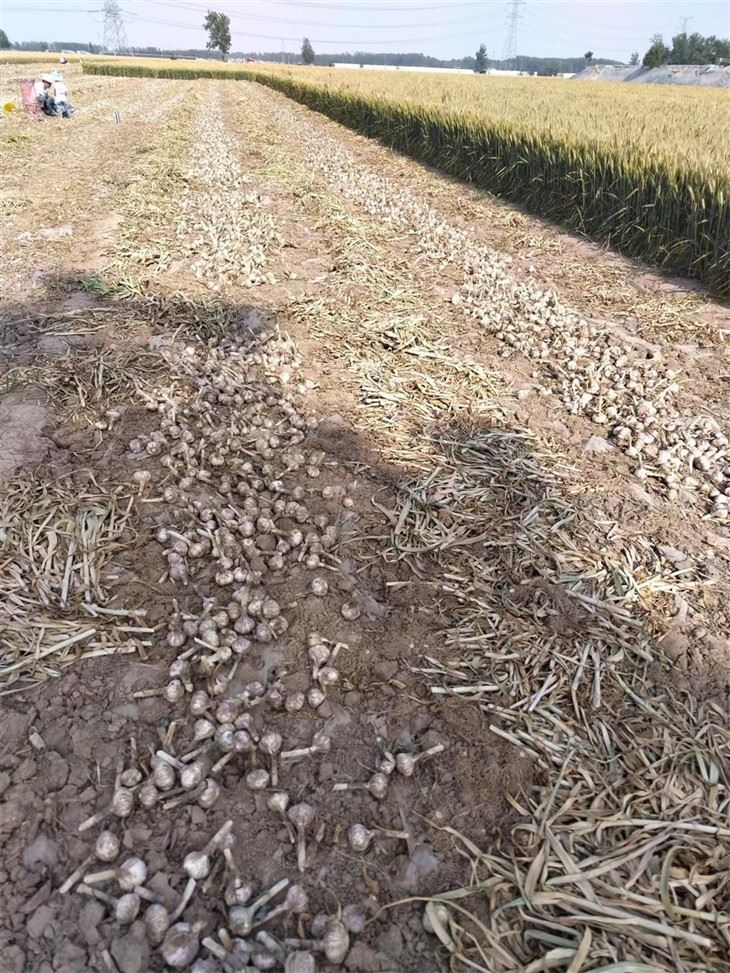

Garlic may also increase the breakdown and excretion of cholesterol. It has been suggested that garlic can enhance the activity of enzymes involved in the conversion of cholesterol into bile acids, which are then excreted from the body.
Types of Garlic Available
As a garlic supplier, we offer a variety of garlic products. One of our popular products is Purple - skinned Garlic. This type of garlic has a unique flavor profile and is rich in antioxidants. It can be used in a variety of culinary dishes, from Italian pasta sauces to Asian stir - fries.
We also source our garlic from high - quality raw materials, as seen in our Gaelic From The Origins. Our commitment to using the best raw materials ensures that our garlic products are of the highest quality and retain their nutritional value.
For those looking to purchase garlic in large quantities, we offer Bulk Garlic. Whether you're a restaurant owner, a food manufacturer, or an individual looking to stock up, our bulk garlic options are a cost - effective and convenient choice.
Incorporating Garlic into Your Diet
If you're interested in trying garlic to potentially lower your cholesterol, there are several ways to incorporate it into your diet.
- Raw Garlic: Eating raw garlic is one of the most effective ways to get the maximum amount of allicin. You can crush or chop raw garlic and add it to salads, dressings, or dips. However, be aware that raw garlic has a strong flavor and may not be suitable for everyone.
- Cooked Garlic: Cooking garlic reduces the amount of allicin, but it still retains many of its other beneficial compounds. You can sauté garlic in olive oil and add it to pasta, soups, or roasted vegetables.
- Garlic Supplements: If you don't like the taste of garlic or find it difficult to incorporate it into your diet, garlic supplements are an option. These supplements are available in the form of capsules, tablets, or softgels. However, it's important to choose a high - quality supplement and consult with your doctor before starting any new supplement regimen.
Conclusion
While the research on whether garlic can lower cholesterol is not entirely conclusive, there is evidence to suggest that it may have a beneficial effect. The active compounds in garlic, such as allicin and other sulfur - containing compounds, have been shown to have potential cholesterol - lowering properties.
As a garlic supplier, I'm excited about the potential health benefits of garlic and the growing interest in natural remedies. Whether you're a health - conscious individual looking to manage your cholesterol levels or a food business looking for high - quality garlic products, we have a variety of options to meet your needs.
If you're interested in learning more about our garlic products or would like to discuss a potential采购洽谈 (sorry, I mean procurement negotiation), please feel free to reach out. We're here to provide you with the best garlic products and support your dietary and business needs.
References
- Ried K, Frank OR, Stocks NP, Fakler P. Effect of garlic on serum lipids: an updated meta - analysis. Journal of Nutrition. 2008;138(3):398 - 405.
- Gardner CD, Lawson LD, Komorowski RA, et al. Effect of raw garlic vs commercial garlic supplements on plasma lipid concentrations in adults with moderate hypercholesterolemia: a randomized clinical trial. Archives of Internal Medicine. 2007;167(4):346 - 353.
- Silagy CA, Neil HA. Garlic as a lipid - lowering agent: a meta - analysis. Journal of Hypertension. 1994;12(4):463 - 468.
- Gardner CD, Lawson LD, Block E, et al. Effect of aged garlic extract on cardiovascular risk factors in patients with moderate hypercholesterolemia: a randomized, double - blind, placebo - controlled trial. Annals of Internal Medicine. 2007;146(4):264 - 274.