

Garlic, a staple ingredient in kitchens around the world, has a rich history and diverse range of uses in various cuisines. As a fine garlic supplier, I often receive questions about the suitability of different types of garlic in specific culinary traditions. One such query that frequently arises is whether fine garlic can be used in Greek cuisine. In this blog post, I will explore the role of garlic in Greek cooking and discuss how our fine garlic varieties can enhance the flavors of classic Greek dishes.
The Role of Garlic in Greek Cuisine
Greek cuisine is known for its bold flavors, fresh ingredients, and Mediterranean influence. Garlic plays a significant role in many Greek dishes, adding depth, aroma, and a touch of pungency. It is used in a variety of forms, including raw, roasted, and as a key component in sauces and dips.
In Greek cooking, garlic is often paired with other staple ingredients such as olive oil, lemon juice, tomatoes, and herbs like oregano and thyme. These combinations create a harmonious balance of flavors that are characteristic of Greek cuisine. For example, garlic is a essential ingredient in tzatziki, a popular Greek yogurt and cucumber dip that is typically served with pita bread or as a condiment for grilled meats. The garlic adds a sharp, savory note that complements the creamy texture of the yogurt and the refreshing taste of the cucumber.

Another classic Greek dish that features garlic is moussaka, a layered casserole made with eggplant, ground meat, and a béchamel sauce. Garlic is used in both the meat sauce and the béchamel, adding a rich, savory flavor that ties the dish together. Similarly, garlic is a key ingredient in souvlaki, grilled meat skewers that are often marinated in a mixture of garlic, olive oil, lemon juice, and herbs before being cooked over an open flame.
Types of Fine Garlic for Greek Cuisine
As a fine garlic supplier, we offer a variety of garlic varieties that are well-suited for Greek cuisine. Each variety has its own unique flavor profile and characteristics, which can be used to enhance the flavors of different Greek dishes.
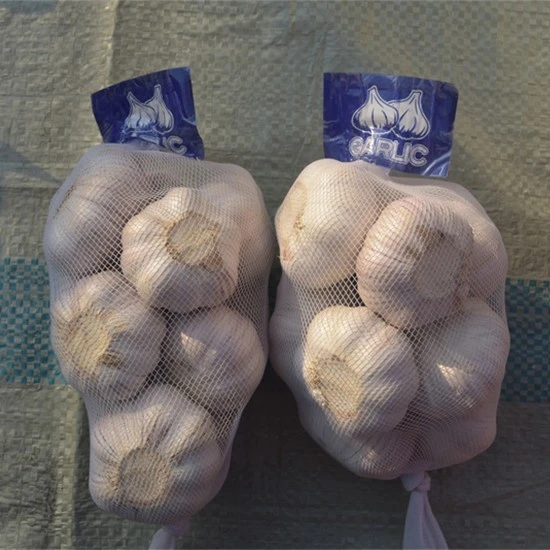
- Red Net Pocket White Garlic: This variety of garlic has a mild, sweet flavor and a firm texture. It is ideal for use in raw applications, such as in salads, dressings, and dips. The mild flavor of the Red Net Pocket White Garlic allows it to complement other ingredients without overpowering them. Red Net Pocket White Garlic
- Purple-skinned Garlic: Purple-skinned garlic has a slightly stronger flavor than Red Net Pocket White Garlic, with a hint of sweetness and a spicy kick. It is a versatile variety that can be used in both raw and cooked applications. The purple skin also adds a pop of color to dishes, making it a visually appealing ingredient. Purple-skinned Garlic
- Purple Garlic: Purple garlic is a heirloom variety that has a rich, complex flavor with notes of sweetness, spiciness, and earthiness. It is a popular choice for use in roasted dishes, as the roasting process enhances the natural sweetness of the garlic and brings out its complex flavors. Purple Garlic
Tips for Using Fine Garlic in Greek Cuisine
When using fine garlic in Greek cuisine, it is important to keep in mind the flavor profile of the dish and the role that the garlic will play. Here are some tips to help you get the most out of your fine garlic:
- Use fresh garlic: Fresh garlic has a more intense flavor than pre-packaged garlic, so it is always best to use fresh garlic whenever possible. Look for garlic bulbs that are firm, with no signs of mold or sprouting.
- Adjust the amount of garlic: The amount of garlic you use in a dish will depend on your personal taste and the flavor profile of the dish. Start with a small amount of garlic and gradually add more until you achieve the desired flavor.
- Roast the garlic: Roasting garlic is a great way to mellow its flavor and bring out its natural sweetness. To roast garlic, cut off the top of a garlic bulb, drizzle it with olive oil, and wrap it in aluminum foil. Bake the garlic in a preheated oven at 400°F for 30-40 minutes, or until the cloves are soft and golden brown.
- Make a garlic paste: Garlic paste is a convenient way to add garlic flavor to dishes. To make garlic paste, simply crush a few garlic cloves with a garlic press or a mortar and pestle, and then mix them with a little bit of olive oil or water.
- Pair garlic with other ingredients: Garlic pairs well with a variety of other ingredients, such as olive oil, lemon juice, tomatoes, and herbs. Experiment with different combinations to create unique and flavorful dishes.
Conclusion
In conclusion, fine garlic can definitely be used in Greek cuisine. Garlic is a staple ingredient in many Greek dishes, adding depth, aroma, and a touch of pungency. As a fine garlic supplier, we offer a variety of garlic varieties that are well-suited for Greek cuisine, each with its own unique flavor profile and characteristics. By following these tips and using our fine garlic varieties, you can enhance the flavors of classic Greek dishes and create delicious, authentic meals at home.
If you are interested in learning more about our fine garlic varieties or would like to place an order, please do not hesitate to contact us. We would be happy to discuss your needs and provide you with more information about our products. Let's work together to bring the flavors of Greece to your kitchen!
References
- "The Food of Greece" by Diane Kochilas
- "Greek Cooking: A Contemporary Approach" by Effie Raikos
- "The New Greek Table" by Maria Loi